A reliable PCB cleaning machine manufacturer should identify the contamination, test representative boards, define the cleaning process and build the equipment around the production requirement.
Do not compare suppliers by machine appearance, board size and price alone. Evaluate their application engineering, sample testing, customisation, manufacturing, factory acceptance testing and technical support.
Table of Contents
Start with Your PCB Cleaning Requirements
Start with the workpiece and production stage.
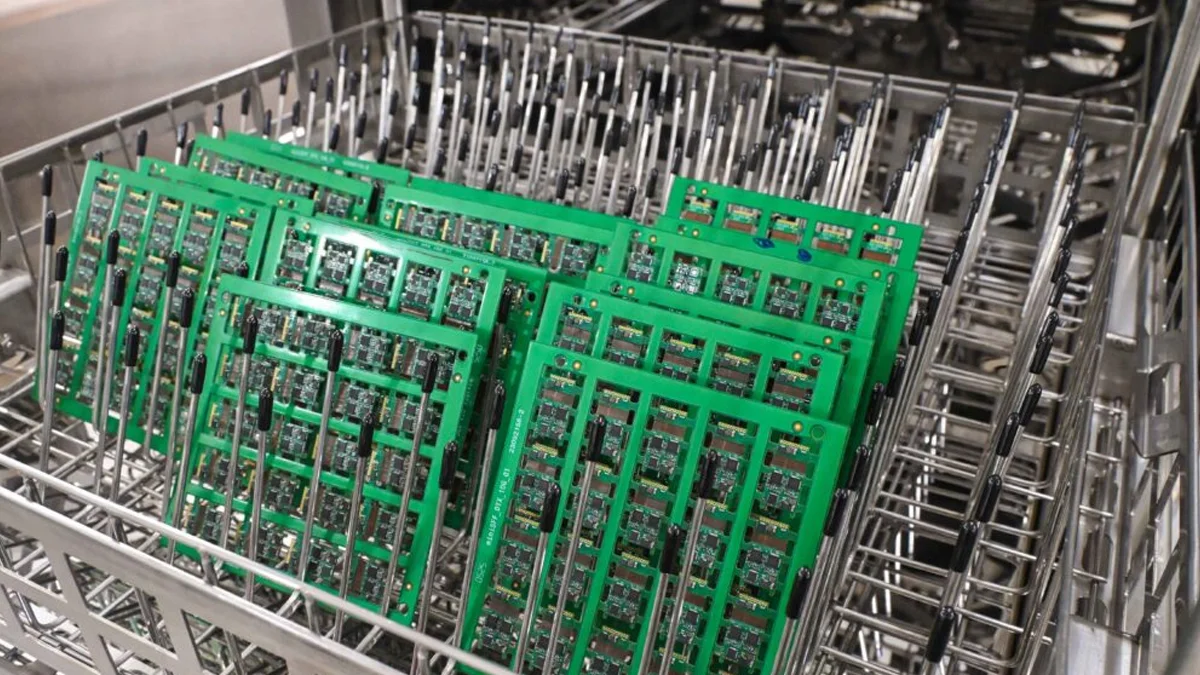
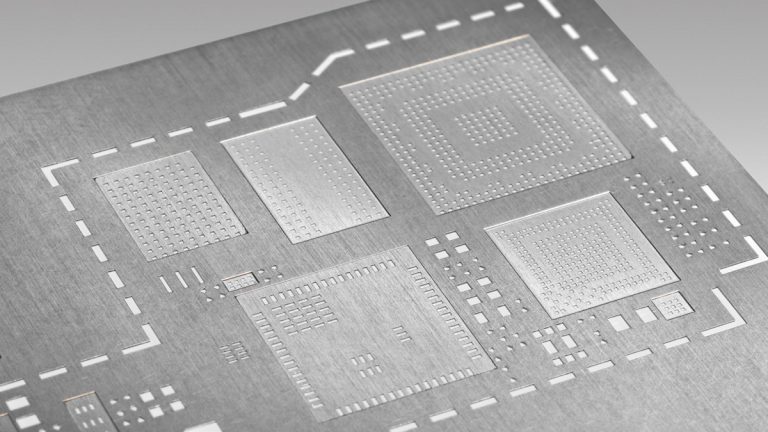
A bare PCB before solder paste printing may require dry removal of dust, fibres and loose particles. An assembled PCBA after soldering may require brush cleaning, aqueous washing or local dry-ice cleaning.
Many buyers use “PCB cleaning machine” for both applications. However, the cleaning mechanism, factory utilities and verification method are different. See what a PCB cleaning machine does before comparing equipment.
Test the Manufacturer with Your Actual PCB or PCBA
Sample testing shows whether the proposed process can remove the real contamination without creating another problem.
The test should use representative boards, actual flux or residue and the proposed cleaning chemistry. The result should confirm cleaning access, material compatibility, rinsing, drying, cycle time and repeatability.
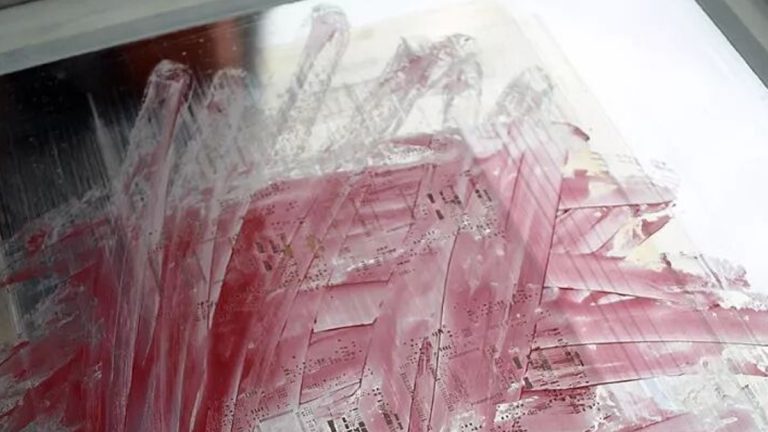
A clean-looking board does not prove ionic cleanliness. Flux residue may be visible, whilst ionic contamination often requires ROSE, ion chromatography, SIR or another specified test method.
For BGA, QFN and other low-standoff components, verify whether the wash and rinse can reach beneath the package. Machine type alone does not prove cleaning access.
Choose the Right Cleaning Process for the Contamination
The manufacturer should explain why a cleaning method fits the workpiece and residue. Brush cleaning, aqueous washing, dry-ice cleaning and DI-water rinsing are not interchangeable.
Check the Manufacturer’s Customisation and Engineering Capability
Standard equipment may not match every board, factory or production line. Confirm who performs the mechanical design, electrical control, machine assembly, PLC/HMI integration and commissioning.
Relevant customisation may include:
Conveyor width, direction and fixed edge
Basket or fixture design
Wash, rinse and drying sections
Filtration and liquid management
Automatic loading and unloading
Factory voltage and utility connections
Production-line communication
Non-standard dimensions or functions
DEZ completes machine assembly, electrical control, process testing and application-specific configuration. Additional dimensions and functions can be assessed during engineering review. See DEZ manufacturing and engineering capabilities.
Confirm Manufacturing Capability and Production-Line Integration
The equipment cannot be separated from its cleaning chemistry and factory utilities.
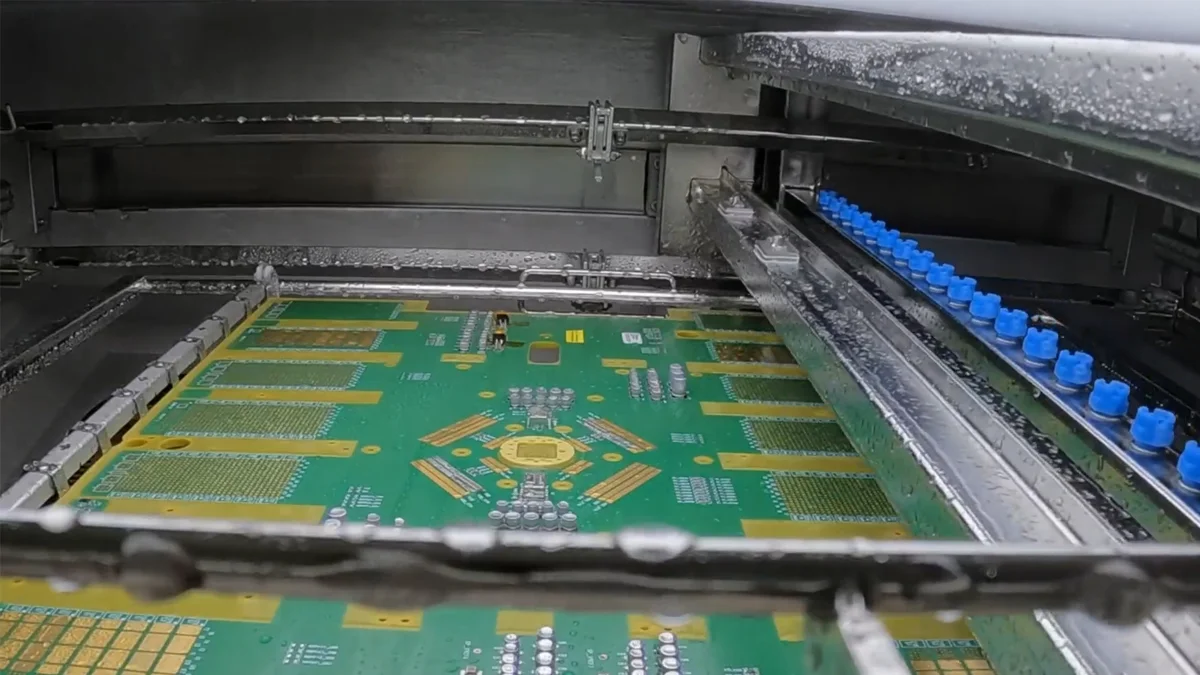
For aqueous PCBA cleaning, confirm the approved cleaner, operating concentration, wash temperature, DI-water quality, filtration, drainage, exhaust and drying requirement.
For inline equipment, also confirm conveyor height, transfer direction, fixed edge, board clearance and upstream/downstream communication.
DI water is used to rinse dissolved contamination and remaining cleaning agent after washing. It should not be treated as the primary flux-cleaning stage unless the validated process specifically uses it that way.
Review the Quotation and FAT
A useful quotation should define more than the model and price. It should include:
Cleaning process and machine configuration
Workpiece range and handling method
Baskets, fixtures or conveyor requirements
Filtration, exhaust, drainage and DI-water requirements
Standard and optional functions
Sample-test scope and acceptance method
Documentation, training and warranty
Spare parts and delivery scope
Model-specific conformity documents where applicable
Factory acceptance testing should run the agreed process on representative samples. Verify cleaning, rinsing, drying, board handling, cycle time, controls, alarms, leakage protection and safety interlocks.
Also compare operating costs such as cleaner consumption, DI water, filters, electricity, compressed air, exhaust and routine maintenance. A lower purchase price may result in a higher process cost if the equipment is poorly matched to the application.
Send Your PCB or PCBA to DEZ
DEZ SMT manufactures PCB cleaning machines for bare-board surface cleaning and PCBA cleaning machines for brush, offline batch and continuous aqueous cleaning after soldering.
Send your PCB or PCBA samples to DEZ to verify the cleaning process before ordering the machine.