How to Choose an SMT Stencil Cleaning Machine Manufacturer
How to evaluate an SMT stencil cleaning machine manufacturer using sample testing, chemistry, aperture inspection, capacity, utilities, FAT and support.
The right SMT stencil cleaning machine manufacturer should prove the cleaning process on your actual stencil before recommending equipment.
Machine appearance, chamber size and cleaning time are not enough. The evaluation must cover solder paste or adhesive compatibility, minimum aperture size, filtration, rinsing, drying, factory utilities, actual capacity and FAT acceptance criteria.
Start with Your Stencil and Cleaning Requirements
A manufacturer cannot select the correct machine from the stencil dimensions alone.
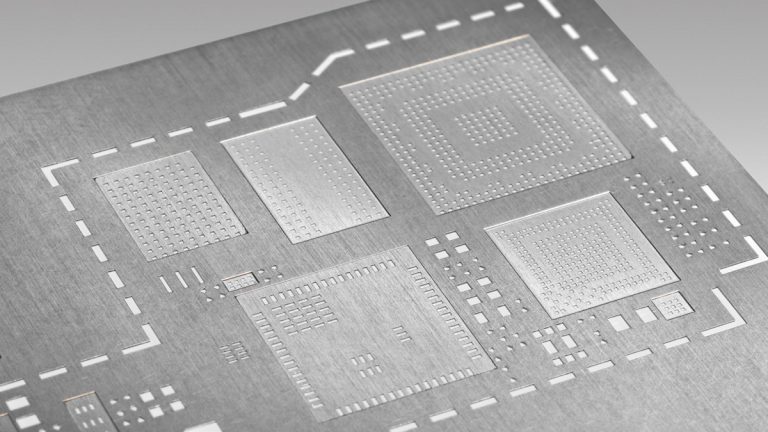
Provide the stencil frame size, minimum aperture, stencil thickness, surface coating, solder paste or red glue type, residue condition and required cleaning quantity. Dried paste inside fine apertures may require a different process from fresh paste remaining on the stencil surface.
The cleaning agent must remove the contamination without affecting the stencil foil, frame, mesh, adhesive or surface coating. A stronger chemical or longer cleaning cycle does not automatically produce a better result.
Test the Manufacturer with Your Actual Production Stencil
Sample cleaning is the most direct way to evaluate both the process and the supplier.
Use a representative stencil containing the actual solder paste or adhesive. The test should include the smallest apertures and the most difficult residue condition expected in production.
After cleaning, inspect both stencil surfaces and the critical apertures. Check for remaining paste, blocked openings, loose particles, coating damage, frame damage and retained cleaning liquid.
A clean outer surface does not prove that the apertures are clear. Before-and-after photographs or aperture-inspection images should form part of the sample-test record.
Compare Cleaning Methods for Your Stencil and Residue
The main decision is not simply automatic versus manual. It is whether the complete cleaning process fits the residue, stencil and available utilities.
Cleaning method
Suitable condition
Points to confirm
Pneumatic solvent spray
The approved process uses a compatible solvent and the factory wants to avoid a water-rinse stage
Solvent compatibility, compressed-air pressure and flow, exhaust, filtration, drying and chemical-safety requirements
Automatic water-based spray
The process requires water-based washing followed by rinsing and controlled drying
Considered when the validated chemistry and ultrasonic action are suitable for the stencil and difficult apertures
Frequency, power density, stencil construction, coating, frame adhesive and sample-test results
Manual cleaning
Small quantities, local cleaning or temporary production needs
Operator variation, incomplete aperture cleaning, solvent exposure and risk of mechanical damage
No cleaning method is universally superior. The manufacturer should demonstrate that the selected chemistry and mechanical action can reach the aperture walls without damaging the stencil.
A circulation pump and the words “three-stage filtration” do not provide enough information for equipment approval.
The quotation should identify the filter ratings, filter location, replacement method and cleaning-liquid circulation route. Also confirm how the factory will decide when the cleaning liquid or rinse water must be replaced.
Removed solder paste should not be repeatedly sprayed back towards the stencil. Where the process includes rinsing, the wash and rinse circuits should prevent used cleaning liquid from contaminating the final rinse.
Drying must reach both stencil surfaces and the aperture openings. Retained solvent, cleaning agent or rinse water can contaminate fresh solder paste during the next printing cycle.
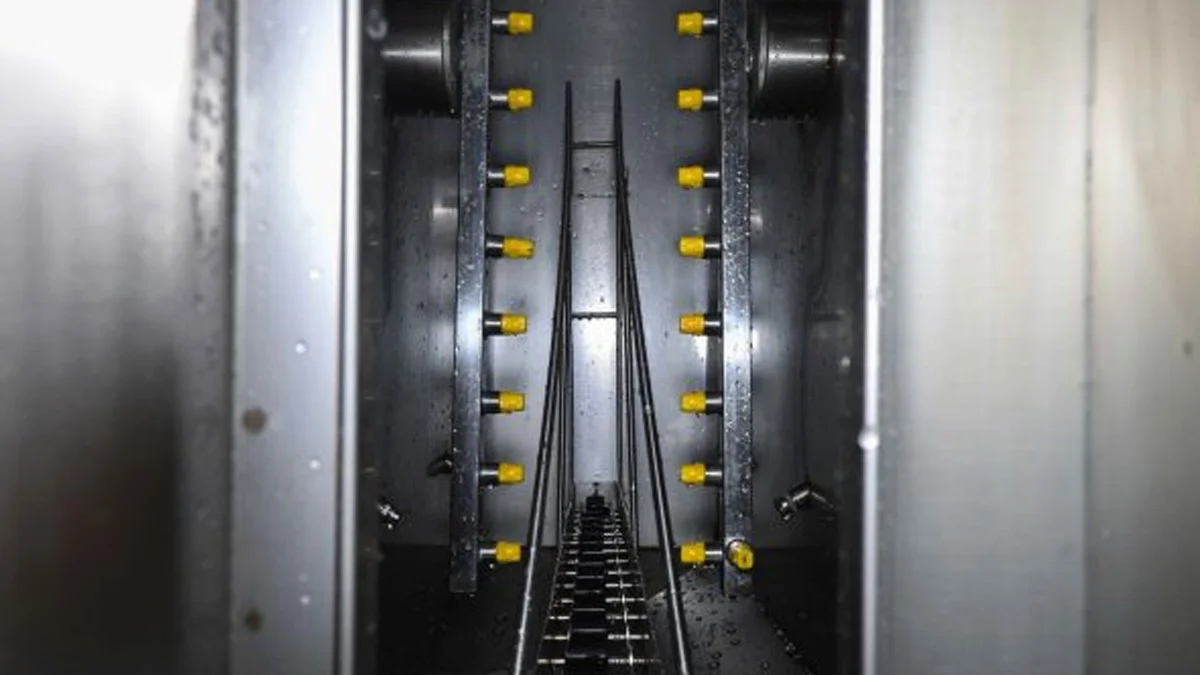
The DEZ-C730 uses 1 mm, 5 μm and 1 μm filtration before recirculating the cleaning liquid. The DEZ-C750 uses separate cleaning and rinse tanks, three-stage filtration and heated air-knife drying.
Confirm Factory Utilities and Chemical Management
Utility requirements must be confirmed before the machine is ordered.
A pneumatic stencil cleaner may not need an electrical or water connection for the cleaning process, but it still requires sufficient compressed-air pressure and airflow. Solvent processes also require suitable exhaust, chemical storage and site-specific safety controls.
The DEZ-C730 requires an external air supply of 0.45–0.6 MPa and consumes 400–600 L/min. The factory air system must maintain both the required pressure and flow during cleaning and drying.
The water-based DEZ-C750 requires AC 380 V power, compressed air, water, drainage and suitable exhaust or ventilation. If DI water is used for rinsing, its quality and supply capacity must match the approved process.
Define FAT Before Ordering
Factory acceptance testing should be agreed before the machine is built.
The FAT should verify:
Confirmed machine model and configuration
Stencil loading and positioning
Spray coverage on both surfaces
Cleaning-liquid circulation and filtration
Wash and rinse separation where applicable
Drying of surfaces and apertures
Actual complete cycle time
Programme and parameter storage
Alarms, leakage protection and safety functions
Required accessories and documentation
Run the agreed cleaning process on representative contaminated stencils. The acceptance result should be based on aperture condition, drying and repeatability—not merely whether the machine operates.
IPC-7526A is the relevant industry handbook for stencil and misprinted-board cleaning. It can support the cleaning procedure and inspection approach, but the machine itself should not be described as “IPC certified”.
DEZ can compare pneumatic solvent and automatic water-based cleaning, test the actual stencil and define the machine configuration around the required cleaning result.
Send your stencil and residue information to DEZ to arrange sample testing and receive a configuration-based quotation.