Selective Soldering Optimization

Through-hole connectors, terminals, relays, transformers and other leaded components often remain after SMT reflow. Manual soldering can create inconsistent solder volume and cycle time, while conventional wave soldering may expose areas that do not require soldering.
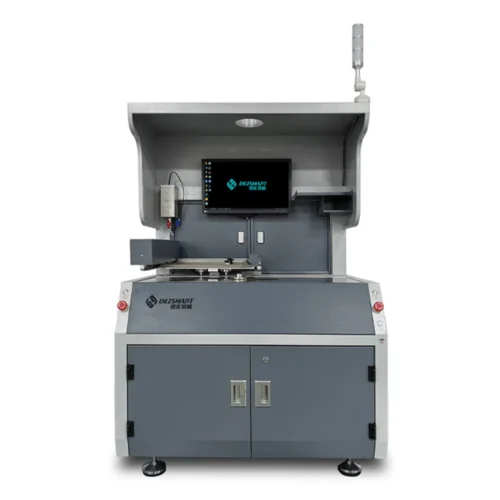
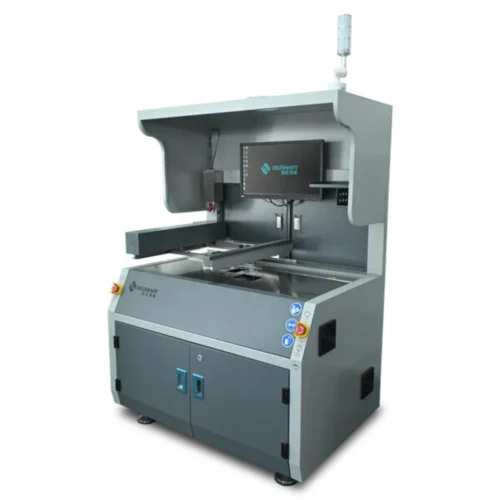
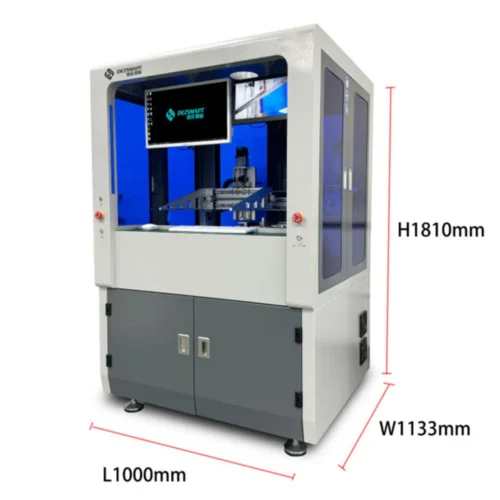
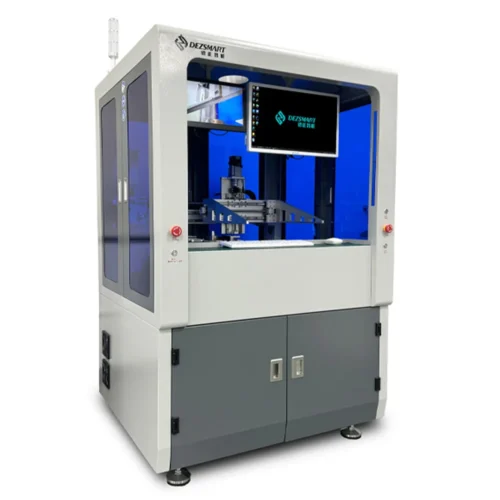
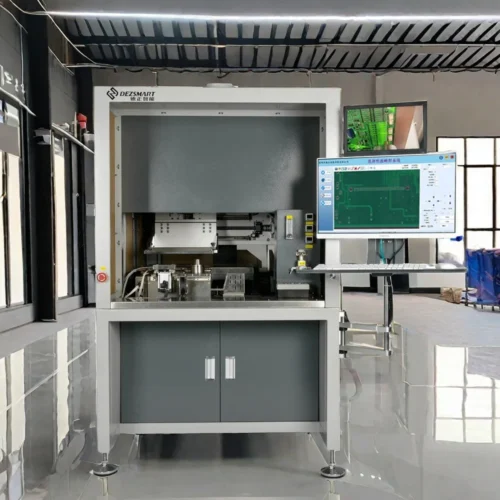
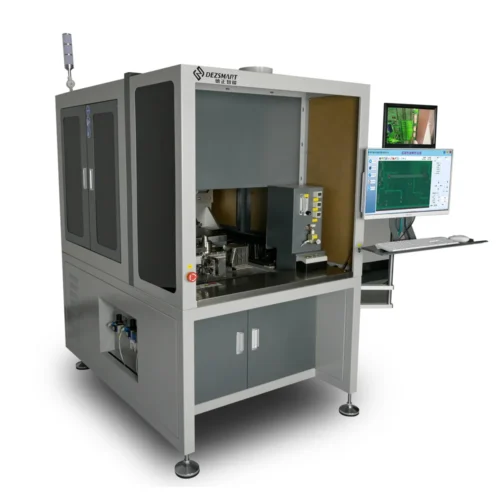
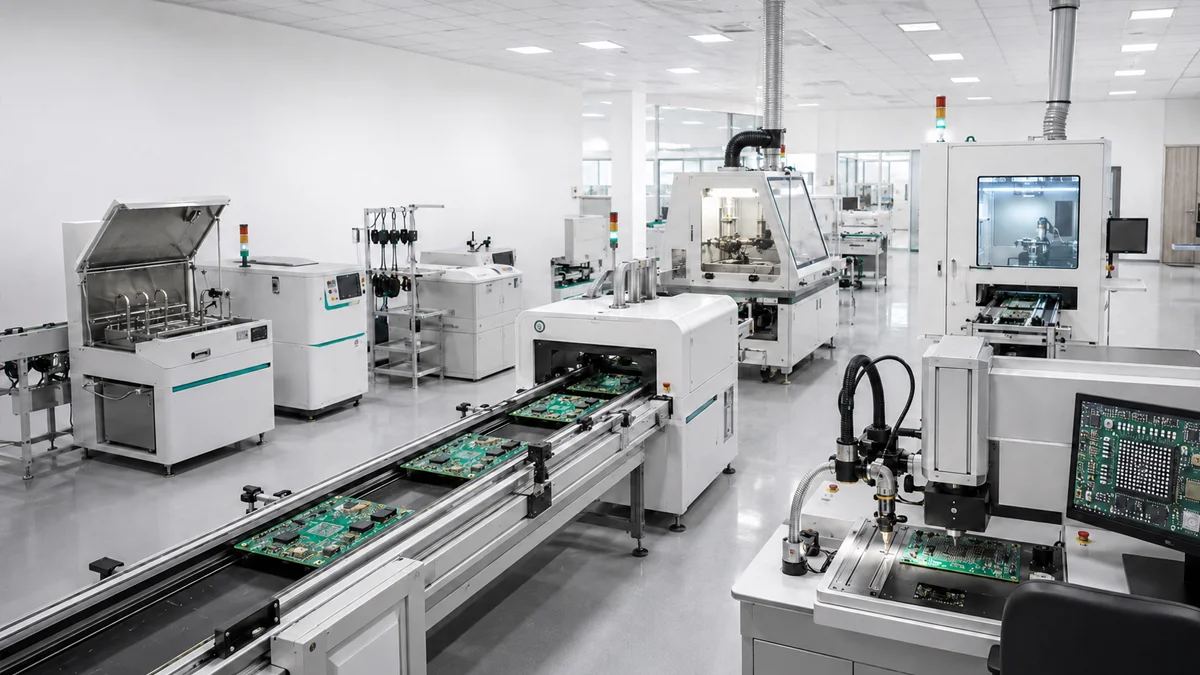
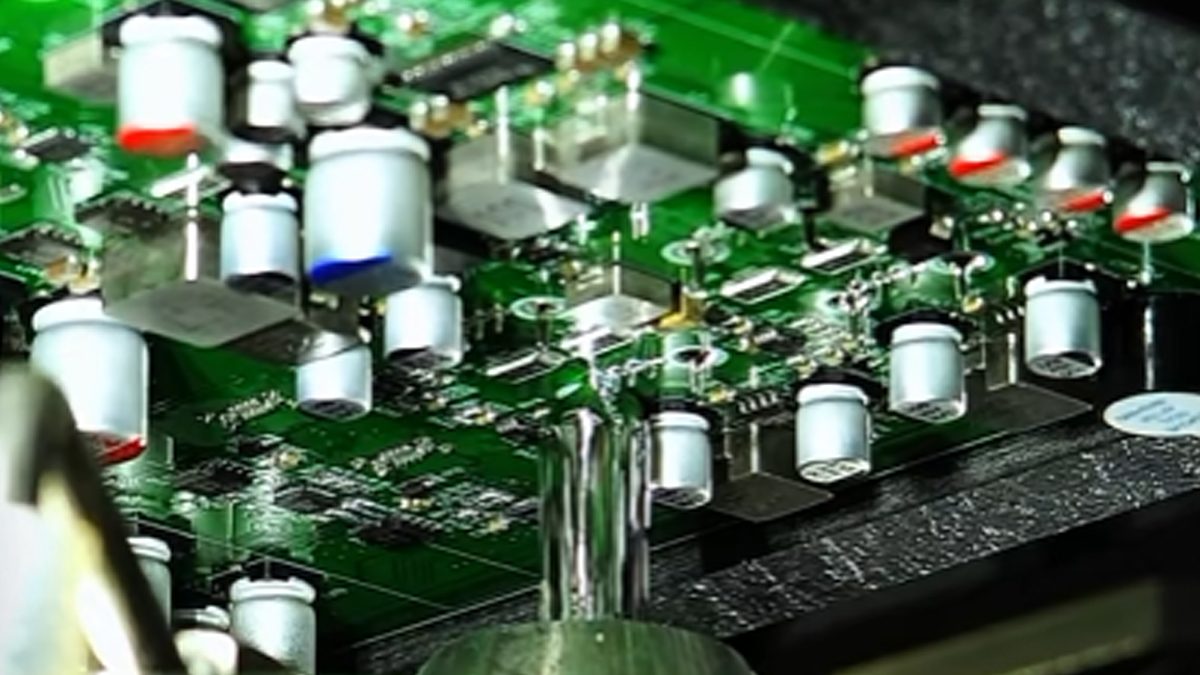
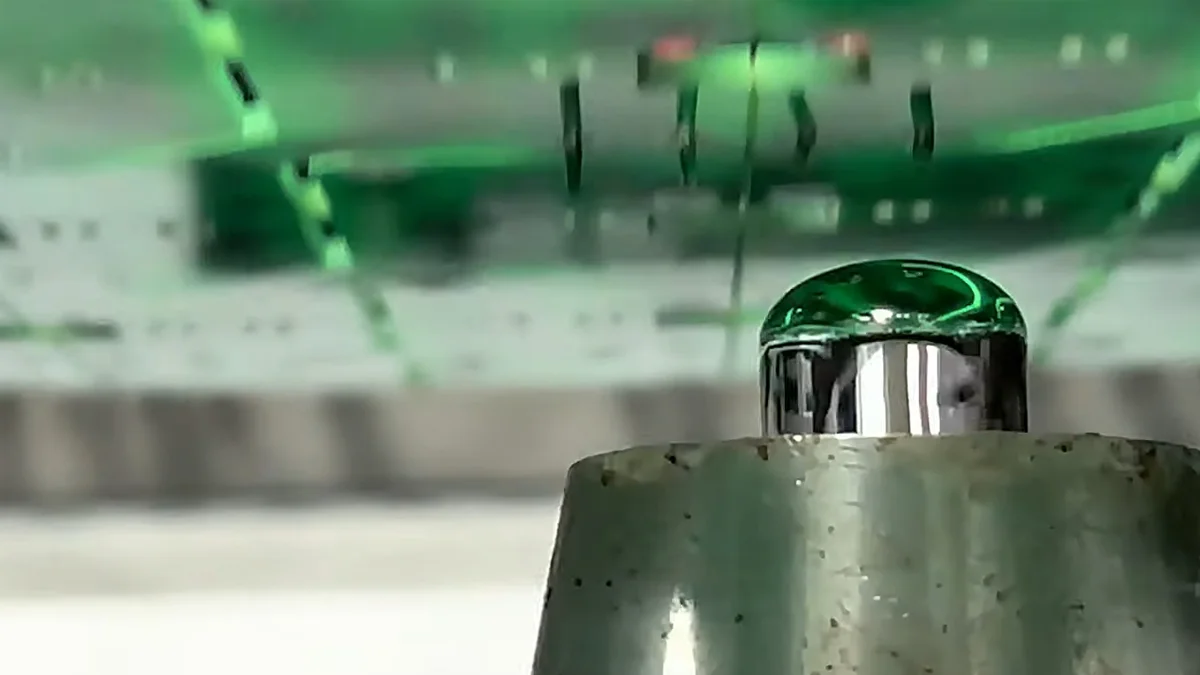
Selective soldering applies flux, preheats the assembly and solders programmed through-hole joints with a controlled mini-wave. DEZ provides offline and inline systems for different PCB dimensions, production volumes and automation requirements.

Problems Solved by Selective Soldering

Inconsistent Manual Soldering

Programmed fluxing and soldering reduce variation caused by manual movement, contact time and solder feeding.

Through-Hole Components on Mixed SMT/THT PCBAs

Selected joints can be soldered without passing the entire underside of the assembly over a full-width solder wave.

Insufficient Through-Hole Solder Fill

Controlled flux volume, preheating, nozzle movement and solder contact time help improve solder flow through plated holes.

Solder Bridging Between Adjacent Pins

The soldering path, nozzle size, travel direction and separation settings can be adjusted for closely spaced connector pins.

Uneven Heating on High-Thermal-Mass Assemblies

Preheating prepares thick PCBs, ground planes, terminals and large components before they contact the solder wave.

Excess Flux Outside the Soldering Area

Selective flux application places flux only where through-hole joints will be soldered.

Frequent Product Changeovers

Stored programs allow different PCBAs, soldering coordinates and process settings to be recalled for repeat production.

Recommended Selective Soldering Equipment

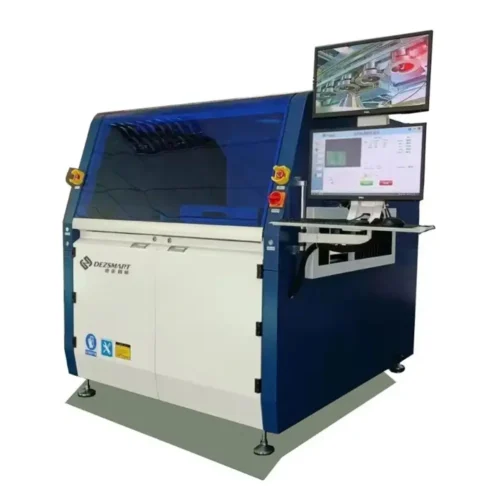
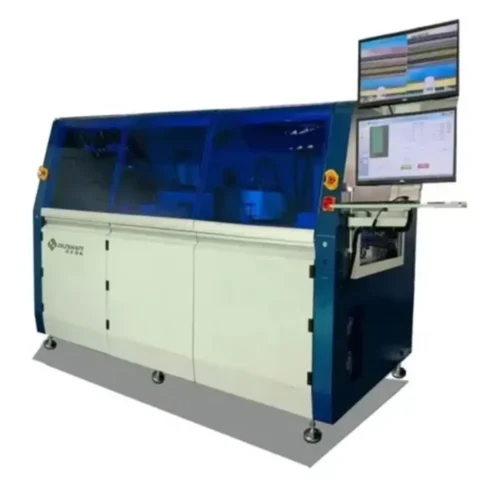
It is suitable for continuous production requiring separate process stations and stable cycle control.

Selective Soldering FAQ

What is the difference between selective soldering and wave soldering?

Wave soldering exposes most or all of the PCB underside to a solder wave. Selective soldering applies flux and solder only to programmed through-hole locations.

Typical components include connectors, terminals, relays, transformers, switches, inductors and other through-hole devices installed after SMT reflow.

Yes. It is designed to solder selected through-hole components on PCBAs that already contain surface-mount components.

Choose an offline machine for high-mix, lower-volume or manually loaded production. Choose an inline machine for continuous conveyor production and automatic PCB transfer.

PCB thickness, copper mass, hole-to-lead ratio, flux, preheating, solder alloy, nozzle selection and solder contact time all affect barrel fill.

Controlled nozzle movement, travel direction and separation settings can reduce bridging, but the process must be tested with the actual connector and PCB design.

No. Reflow soldering normally processes surface-mount components first. Selective soldering then processes the remaining through-hole components.

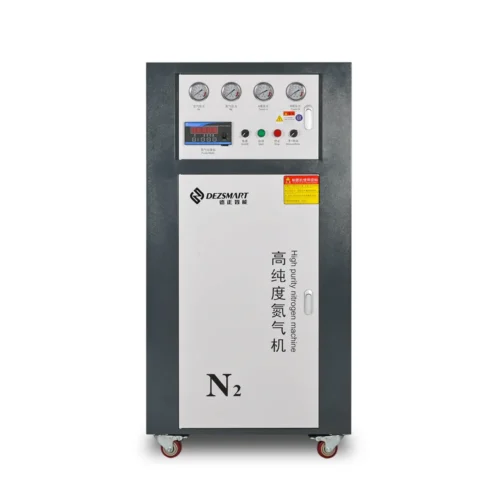
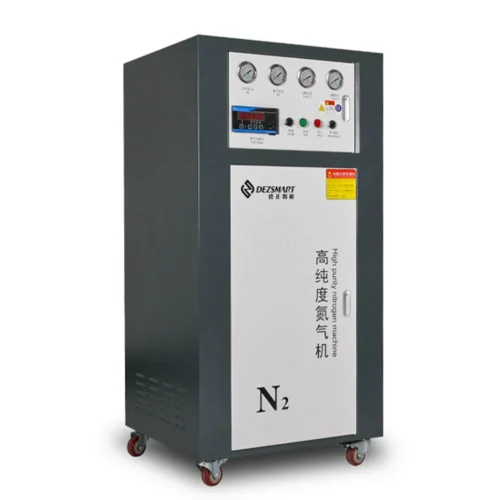
Nitrogen-assisted soldering helps control oxidation around the solder nozzle. The required nitrogen supply depends on the selected machine and soldering process.

Yes, when their dimensions and carriers are compatible with the machine. Each PCBA uses its own soldering coordinates and process program.

Yes. Sample PCBAs can be used to confirm nozzle access, fluxing, preheating, solder fill, bridging risk and estimated cycle time.

PCB Assembly Applications & SMT Process Solutions DEZ SMT

Explore More Electronics Manufacturing Applications

DEZ equipment also supports reflow soldering, PCBA flux cleaning, PCB surface cleaning, X-ray inspection, BGA rework, stencil cleaning and SMT line handling.

Explore all applications to find equipment for each stage of PCB assembly production.

Discuss Your Selective Soldering Requirement

Send us the PCB dimensions, board thickness, through-hole component layout, solder alloy, flux, required throughput and current soldering defects.

A sample PCBA or Gerber file can be reviewed before machine selection. DEZ will recommend an offline or inline selective soldering system and evaluate the required nozzle, carrier and process configuration.

Drag & Drop Files, Choose Files to Upload, or Capture With Your Camera

Related SMT Process Articles

We share our SMT manufacturing expertise to help you optimize soldering, PCBA cleaning, inspection, and production efficiency.