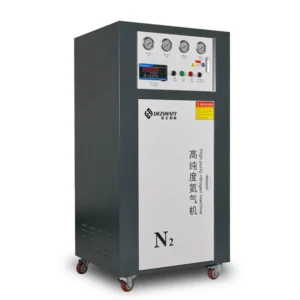
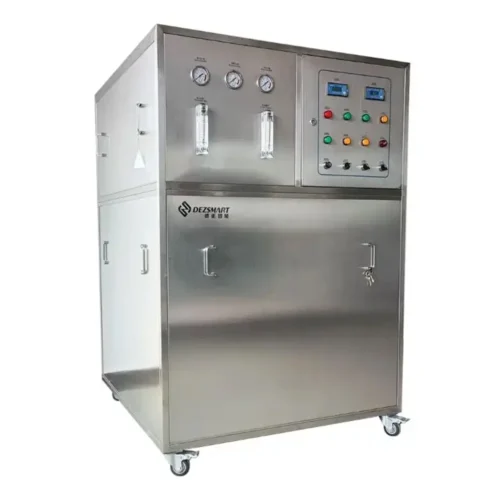
DEZ deionized water systems produce DI rinse water for compatible aqueous PCBA, stencil and fixture cleaning processes.
During aqueous cleaning, the wash stage removes the contamination. The DI-water rinse then carries away dissolved contamination and cleaning-agent residue before drying. The water-treatment system supports this rinsing stage; it is not the main cleaning machine.
Produces DI rinse water for water-based PCBA, stencil and fixture cleaning processes.
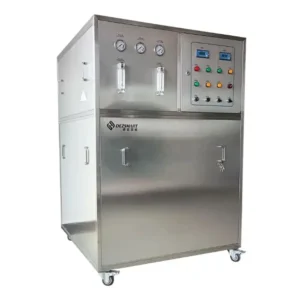
The Deionized Water System for PCBA Cleaning – DEZ-CS300 is the dedicated product in this category. It combines reverse osmosis and mixed-bed deionization inside an enclosed floor-standing cabinet. Municipal water first passes through the RO stage to remove most dissolved salts and impurities. The mixed bed then removes remaining positively and negatively charged ions before the treated water is supplied to compatible cleaning equipment or a storage tank.
Why Aqueous Cleaning Requires DI Rinse Water
Municipal water contains dissolved minerals, salts and other ionic material. If untreated water is used for the final rinse, some of this material may remain on the PCBA, stencil or fixture after drying.
DI water reduces the dissolved ionic content of the rinse supply. It is used after the main washing stage to remove dissolved contamination and remaining cleaning-agent residue from the workpiece.
DI water does not replace the cleaning chemistry. It also does not remove flux residue by itself. The complete aqueous process must combine compatible washing, DI-water rinsing and controlled drying.
Municipal Water → Reverse Osmosis → Mixed-Bed Deionization → DI-Water Storage or Distribution → Cleaning Equipment
The associated aqueous cleaning process is:
Chemical Wash → DI-Water Rinse → Hot-Air Dry
These are two connected processes. The DEZ-CS300 produces the rinse water, while the cleaning machine controls washing, rinsing and drying of the PCBA, stencil or fixture.
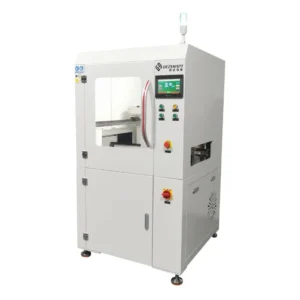
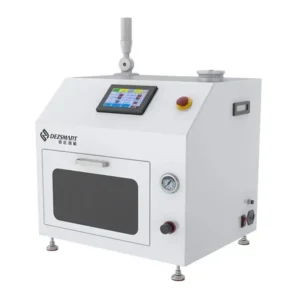
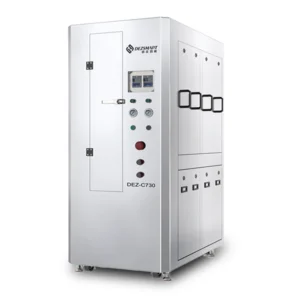
Cleaning Equipment That Uses DI Water
Cleaning requirement
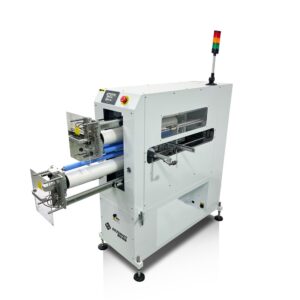
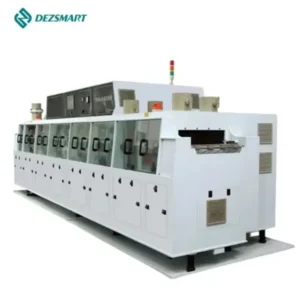
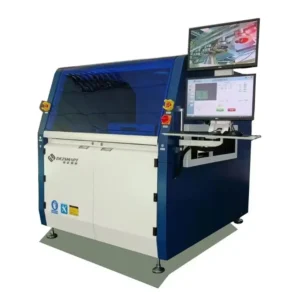
Related equipment
Offline batch cleaning of assembled PCBAs after soldering
In Automotive Electronics SMT Manufacturing, the required rinsing process and cleanliness acceptance method should be defined according to the assembly, flux system and customer requirement.
DI water can also support compatible water-based stencil, fixture, pallet, carrier and squeegee cleaning processes when the cleaning equipment includes a defined rinsing stage.
Frequently Asked Questions
Is a deionized water system a PCBA cleaning machine?
No. The Deionized Water System for PCBA Cleaning – DEZ-CS300 produces DI rinse water. A separate cleaning machine performs the washing, rinsing and drying process.
Does every PCBA cleaning machine need a DI water system?
No. Aqueous PCBA cleaning machines normally require DI water for rinsing. Single-sided brush cleaning processes may use cleaning fluid and brushing without a DI-water rinse.
Can one DI water system supply several cleaning machines?
This depends on the verified system output, peak combined demand, storage capacity, distribution distance and whether the connected machines operate simultaneously. The complete water balance must be reviewed before selection.
How is the required DI-water capacity determined?
Capacity is determined from the cleaner’s rinse-water consumption, operating hours, peak demand, number of connected machines and available storage. Average daily consumption alone is not sufficient for system sizing.
What water information is required before quotation?
Provide the incoming water conductivity, pressure and available flow, required produced-water resistivity, expected consumption, storage requirement, connected cleaning equipment and available power supply.
Request a Deionized Water System Proposal
Tell DEZ which cleaning machine or rinsing process requires DI water. Fill out the form below.
Send your workpiece dimensions, production problem and required throughput to receive a free application review, equipment recommendation and project quotation. Free sample testing is available for qualified projects.
An equipment specialist will contact you within one hour during business hours.
Get a Free Recommendation and Request Sample Testing Email:[email protected] Phone: +86 138 2338 9052