An electronics manufacturer ordered two DEZ cleaning machines to control contamination at different stages of its production process.
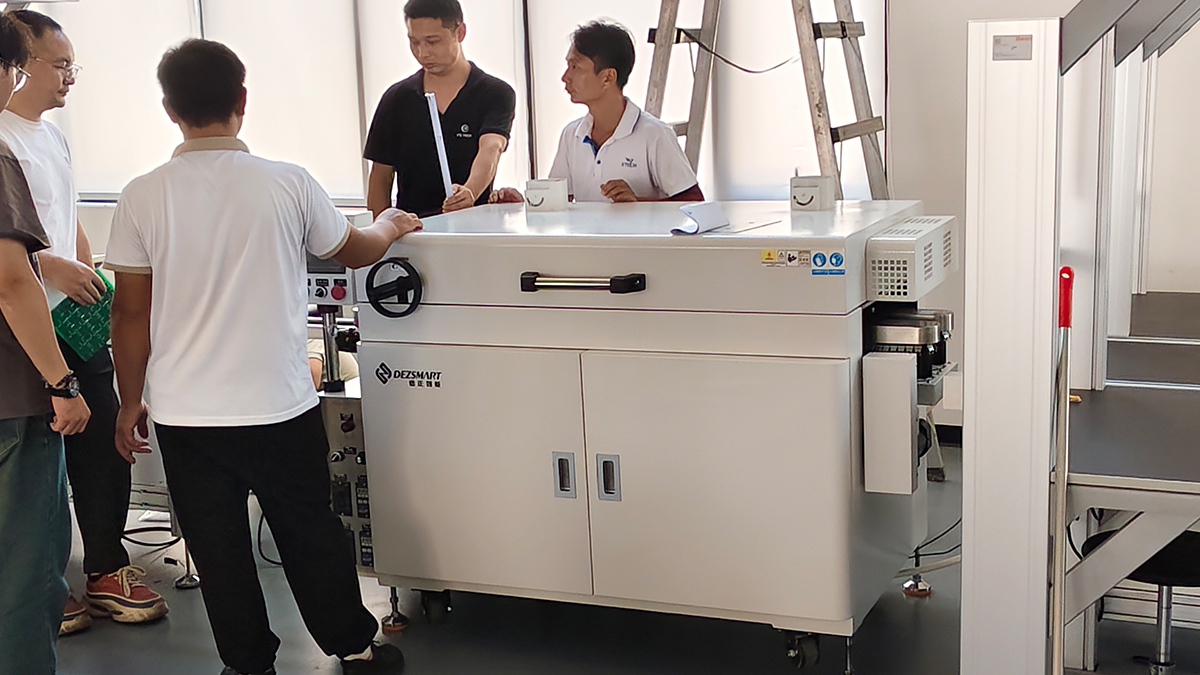
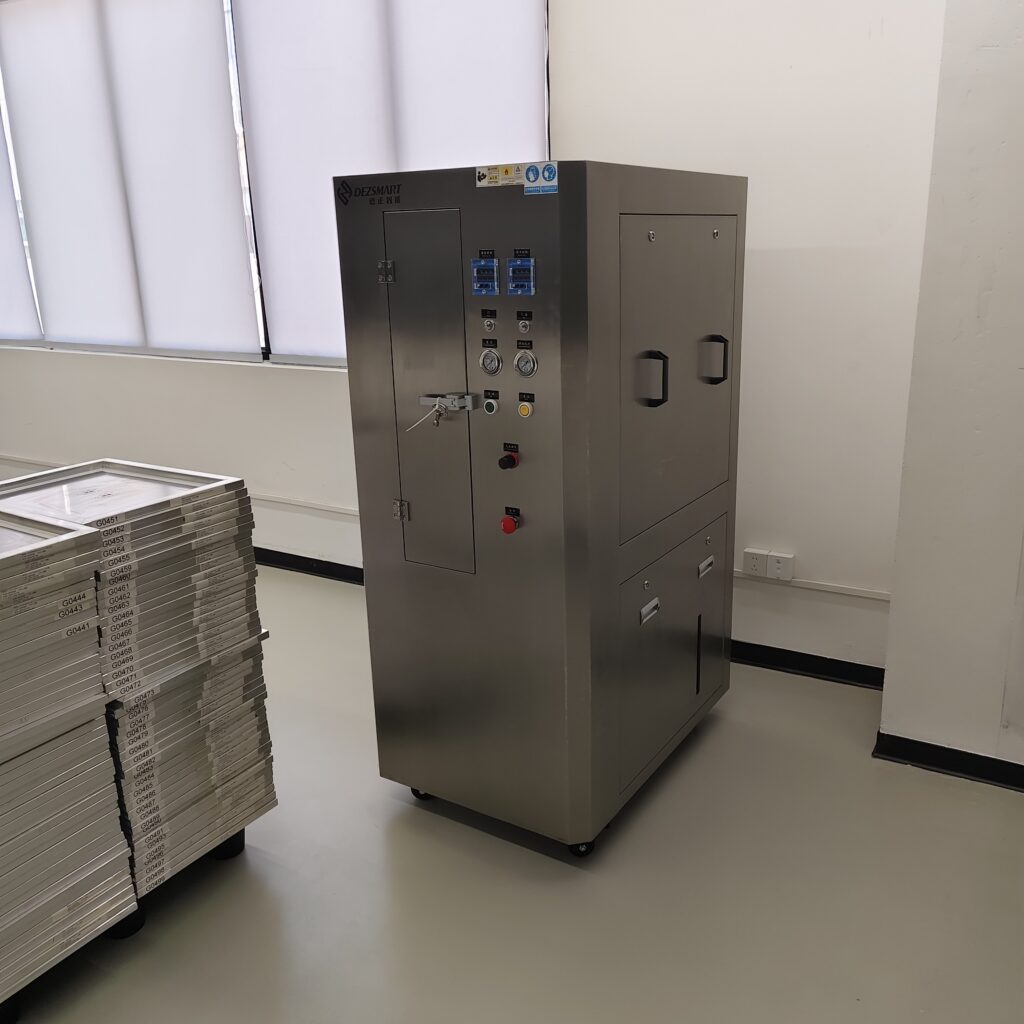
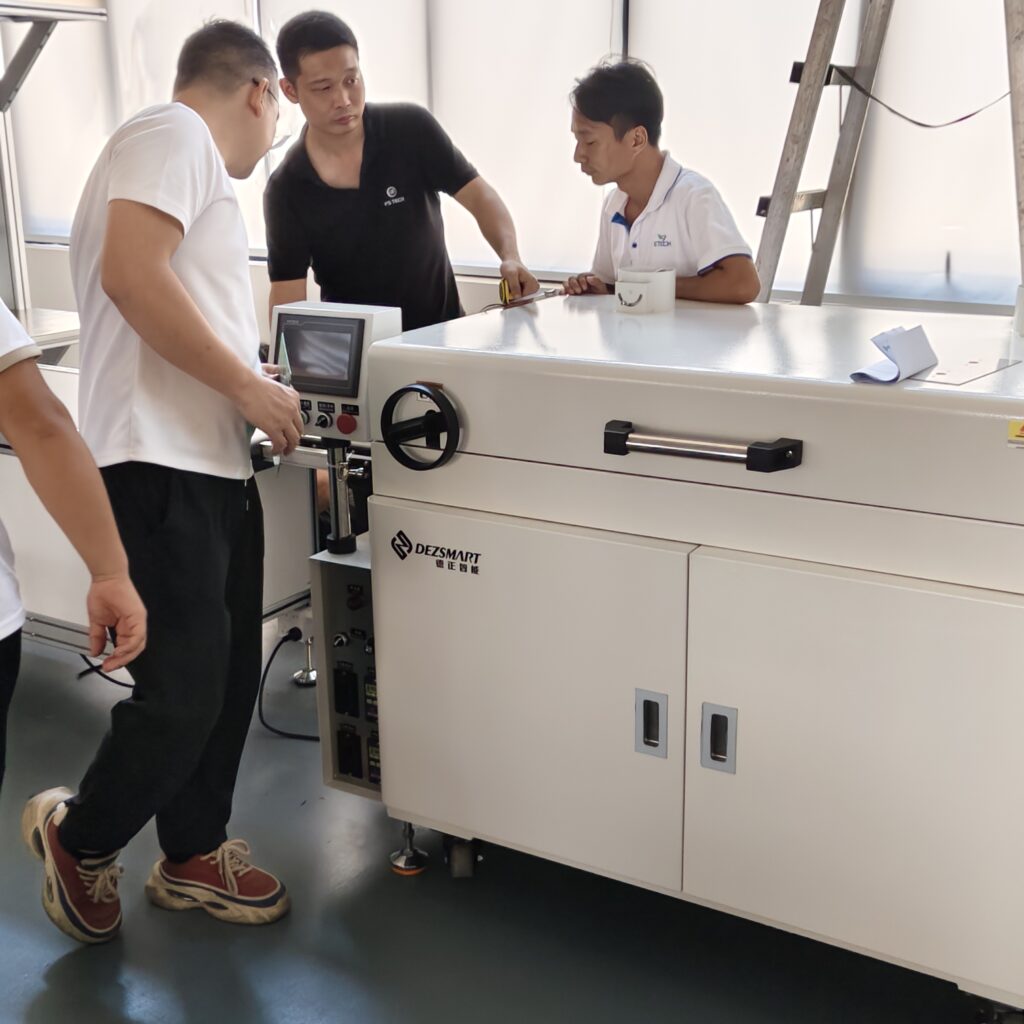
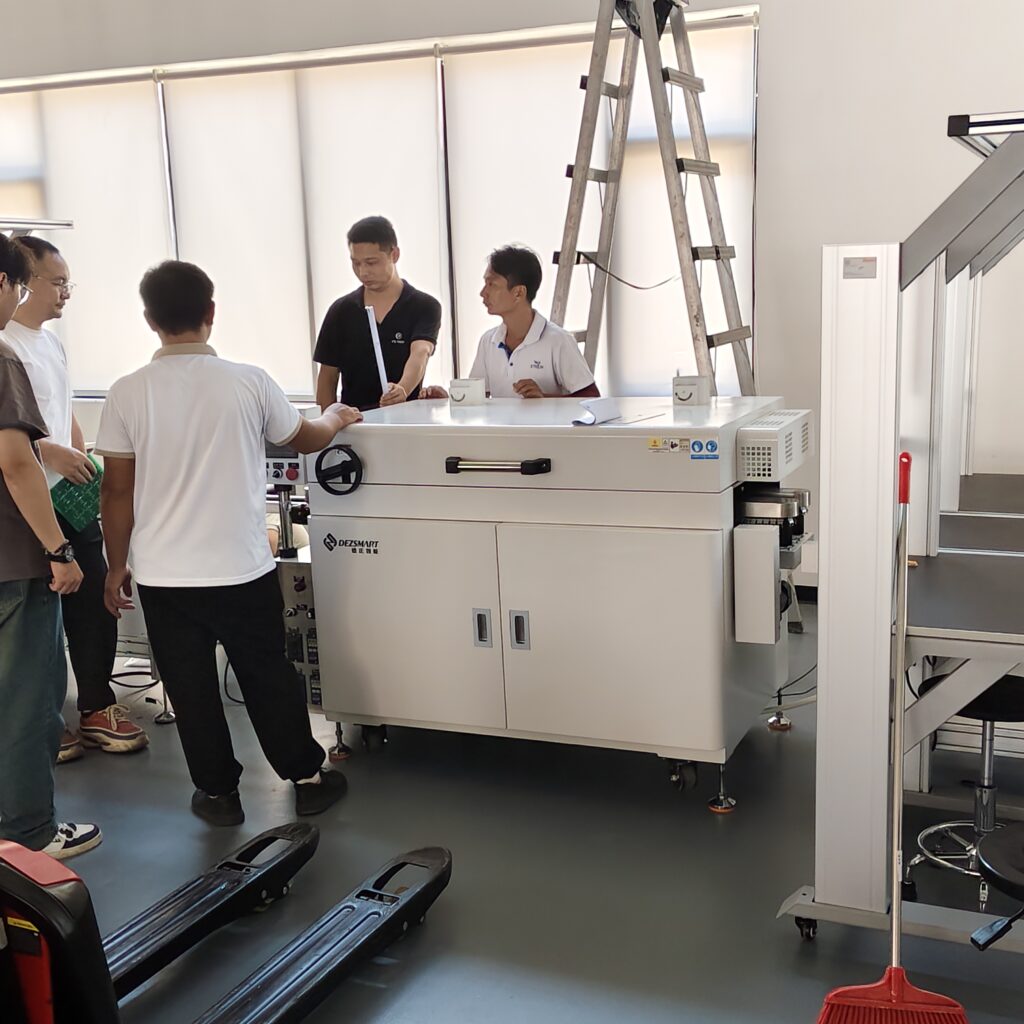
The project included a pneumatic stencil cleaning machine for the stencil storage and maintenance room, plus an automatic single-sided PCBA cleaning machine for post-solder surface cleaning. DEZ technicians completed the on-site installation, equipment checks and operating handover with the customer’s production team.
Instead of using one general cleaning process for different workpieces, the customer established two dedicated cleaning stations:
Stencils and screen frames are cleaned before storage or reuse.
Assembled PCBAs are cleaned after soldering when residue is concentrated on one accessible side.
Table of Contents
Project Overview
Project item
Installation details
Equipment supplied
DEZ-C730 and DEZ-C758
Stencil-cleaning area
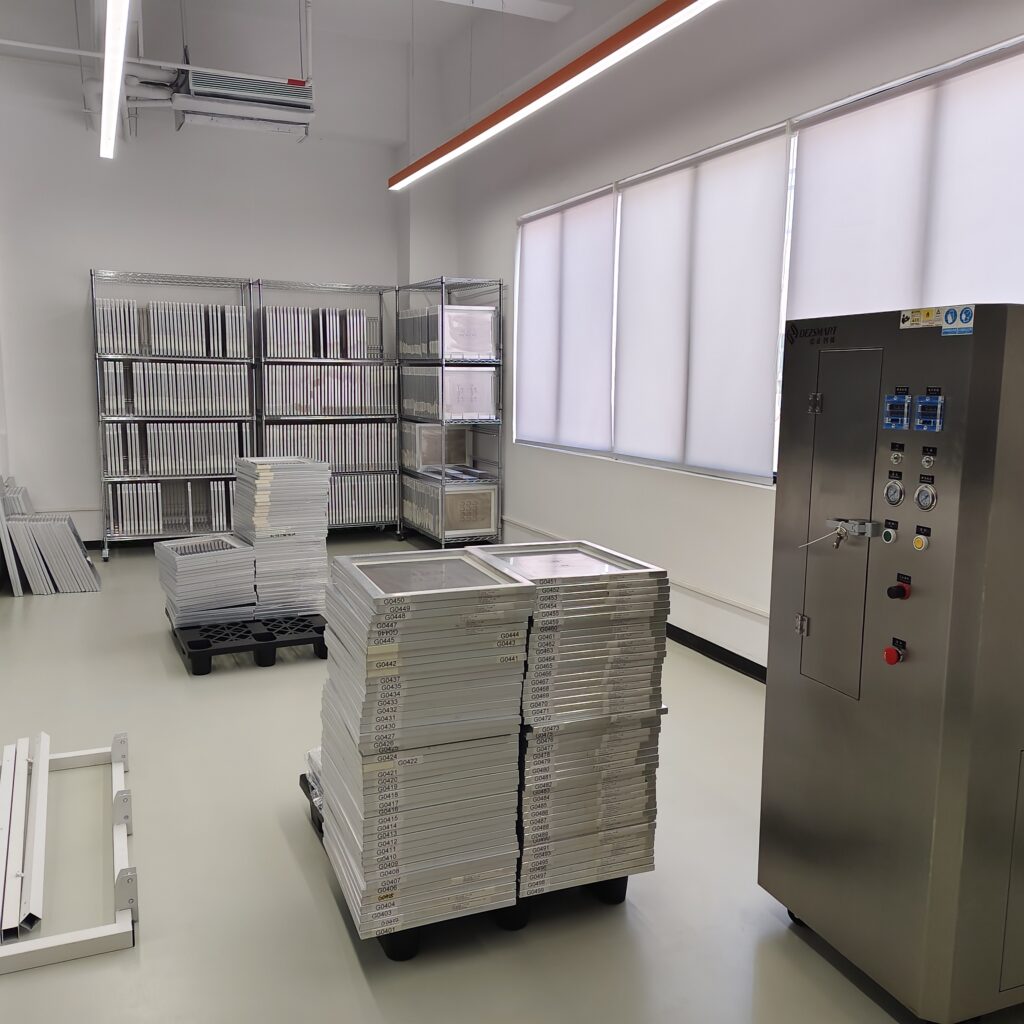
Installed beside the customer’s organised stencil and screen-frame storage
PCBA-cleaning area
Installed near the customer’s PCBA production process
C730 workpieces
SMT stencils, steel mesh and compatible screen frames
C758 workpieces
PCBAs with accessible solder-side contamination
Site work
Equipment positioning, utility checks, commissioning and operator handover
Stencil Cleaning Beside the Storage Area
The customer maintains a large quantity of individually numbered stencils and screen frames. After a production order is completed, residual solder paste, adhesive or flux can remain on the stencil surface and inside its apertures.
If a contaminated stencil is returned directly to storage, the residue may dry before the next production run. Manual surface wiping may remove visible material while leaving contamination inside smaller openings.
Production Use → Stencil Cleaning → Inspection → Indexed Storage
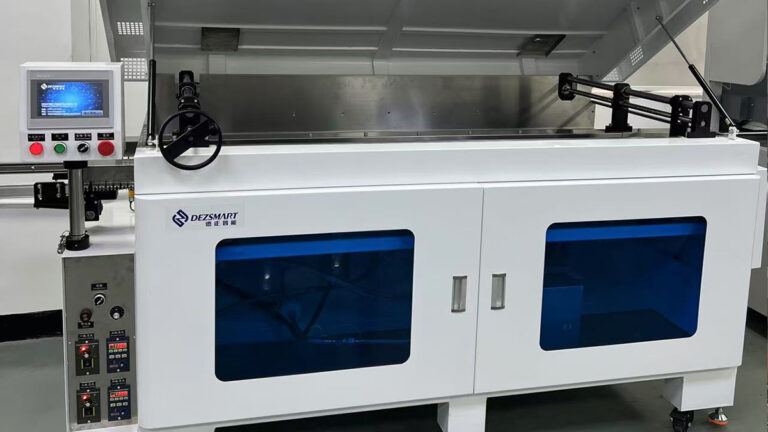
The C730 uses rotating double-sided spray cleaning, recirculated compatible cleaning liquid, three-stage filtration and compressed-air drying. It is intended for offline cleaning of SMT stencils, steel mesh, copper mesh and compatible screen frames.
Single-Sided PCBA Cleaning Installation
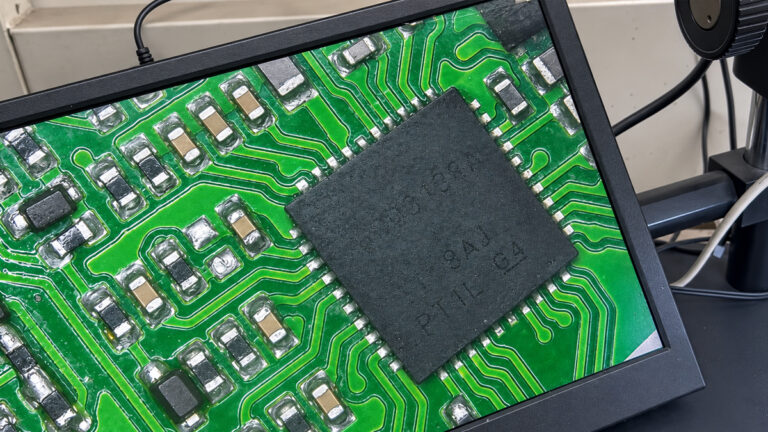
The second part of the project addressed assembled boards with visible contamination concentrated on the accessible solder side.
Manual brushing can vary with operator pressure, brushing direction, cleaning-agent quantity and processing time. It also increases repeated operator contact with cleaning chemicals.
The machine is designed to remove accessible flux marks, process debris and loose solder balls from one PCBA surface. It is suitable for compatible assemblies after wave or selective soldering when the contaminated solder side can be reached safely by the brushes.
The C758 is not a full-board immersion or aqueous-rinsing system. Contamination underneath low-clearance components or on both sides of the assembly may require a different cleaning method.
On-Site Installation and Process Setup
During installation, the DEZ and customer teams checked the machine position, operating clearance and production requirements.
For the PCBA cleaning process, the setup must match the actual assembly rather than rely on one fixed setting. The main factors include:
PCBA width and available conveyor edge
Component height and bottom-side clearance
Location of flux residue and loose solder balls
Brush accessibility around leads and components
Cleaning-agent compatibility
Brush height and rotational speed
Conveyor direction and processing speed
Waste-liquid collection and exhaust conditions
Representative PCBAs should be tested before production settings are finalised. This confirms whether the brushes can reach the contamination without contacting incompatible components or structures.
Why Two Cleaning Machines Were Required
Stencil cleaning and PCBA cleaning address different workpieces, contamination locations and production stages.
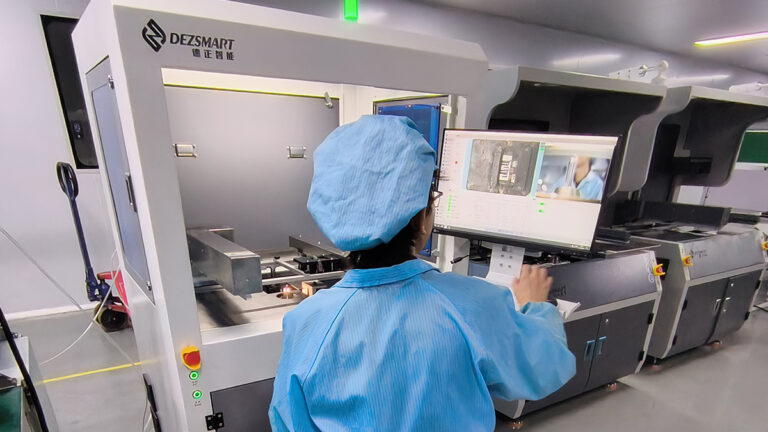
The C730 sprays both sides of an unloaded stencil and forces compatible cleaning liquid through the apertures. Its purpose is to remove printing residue before the stencil is inspected, stored or returned to the printer.
The C758 transports assembled PCBAs through a one-sided brushing process. Its purpose is to remove reachable residue and loose particles from the accessible solder-side surface after soldering.
Using separate equipment prevents the two processes from being confused:
Cleaning requirement
Installed equipment
Solder paste or adhesive inside stencil apertures
DEZ-C730
Stencils requiring cleaning before storage
DEZ-C730
Visible flux marks on an accessible PCBA solder side
DEZ-C758
Loose solder balls reachable by mechanical brushes
DEZ-C758
Continuous one-sided PCBA surface cleaning
DEZ-C758
Production Workflow After Installation
The two-machine arrangement allows the customer to manage cleaning at the point where each type of contamination occurs.
In the printing process, used stencils can be transferred to the dedicated cleaning and storage room. After cleaning and inspection, each stencil can return to its identified storage position.
In the soldering process, compatible PCBAs can pass through controlled cleaning-agent application, wet brushing, dry brushing and fan drying before inspection or the next approved production stage.
This installation does not treat stencil cleaning and PCBA cleaning as the same operation. Each machine has a defined workpiece, cleaning mechanism and process boundary.