This customer is an automotive electronics supplier producing PCBA orders for BYD. The project involved different board models, changing production batches and PCBAs containing numerous through-hole solder joints.
Manual soldering provided flexibility, but joint quality depended heavily on the operator. As automotive order volume increased, the customer needed a process that could repeat the same soldering parameters across every board in a batch.
Automotive electronics customers pay close attention to solder-joint consistency. Insufficient hole fill, bridging, cold joints or excessive solder can lead to inspection failure and rework.
With manual soldering, contact time, solder quantity and iron temperature can vary between operators and shifts. A board with many through-hole joints increases this variation because the operator must repeat the process at every pin.
The customer needed a soldering method that could retain the flexibility required for different PCBAs while reducing dependence on individual hand-soldering technique.
High-Mix Production Without Fixed Manual Parameters
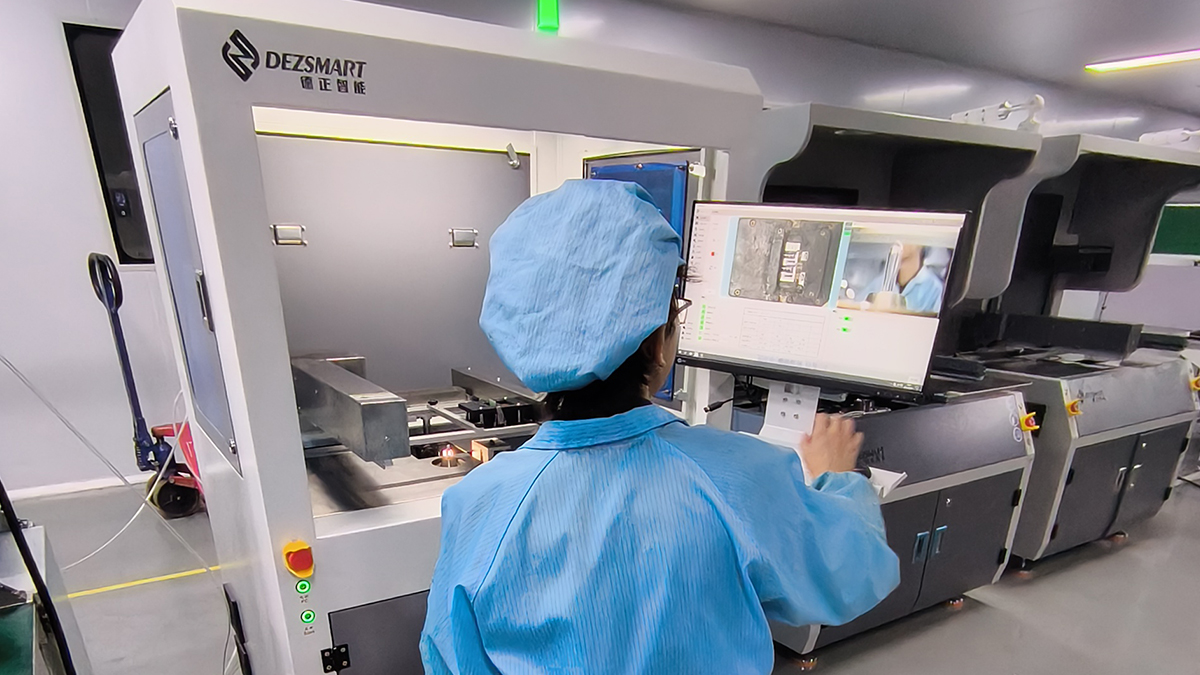
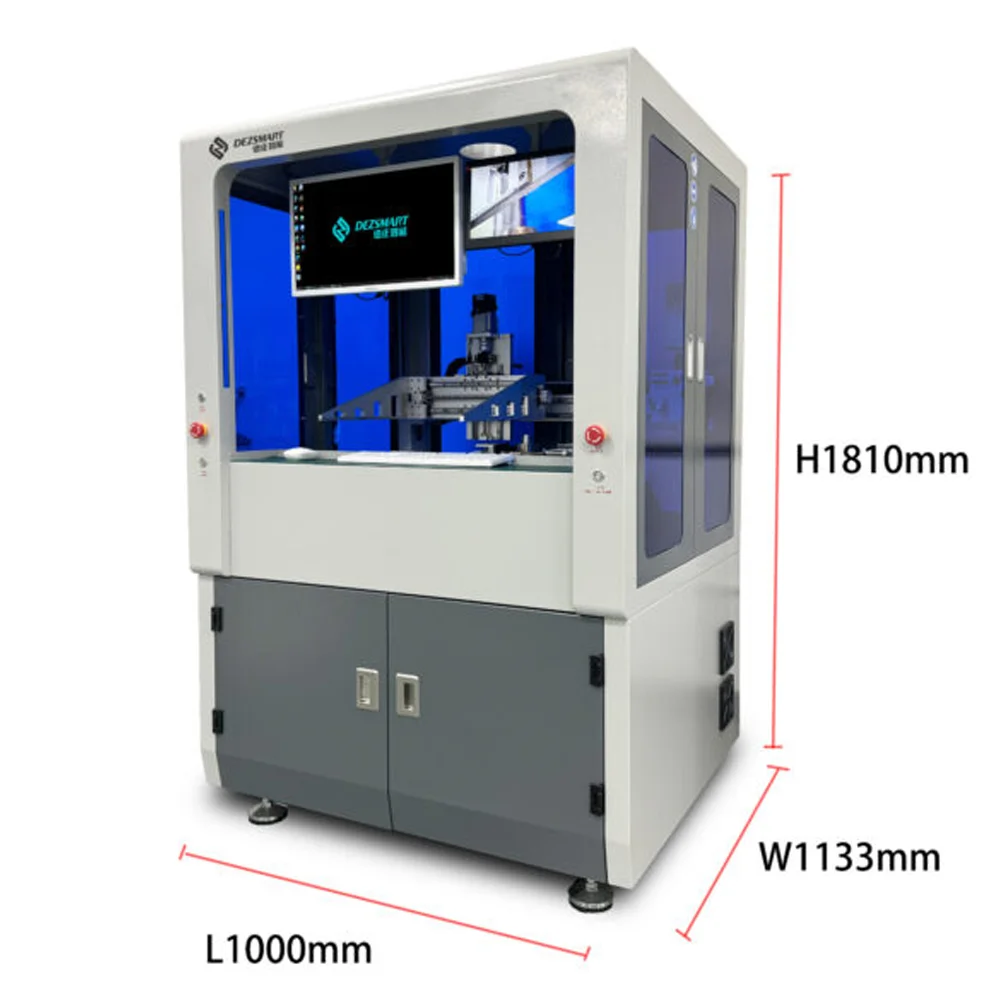
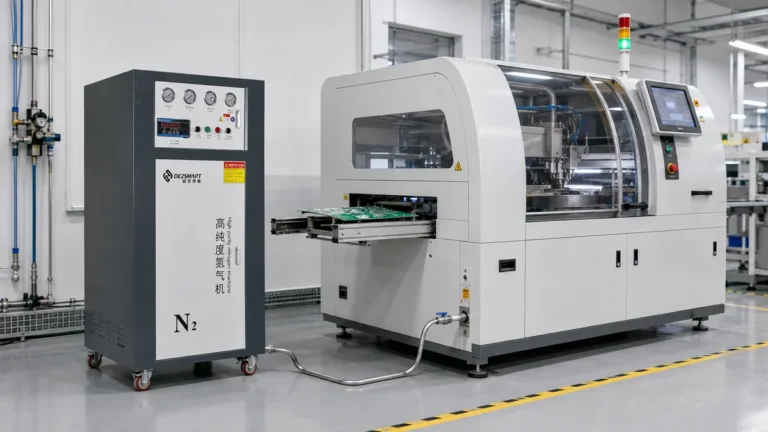
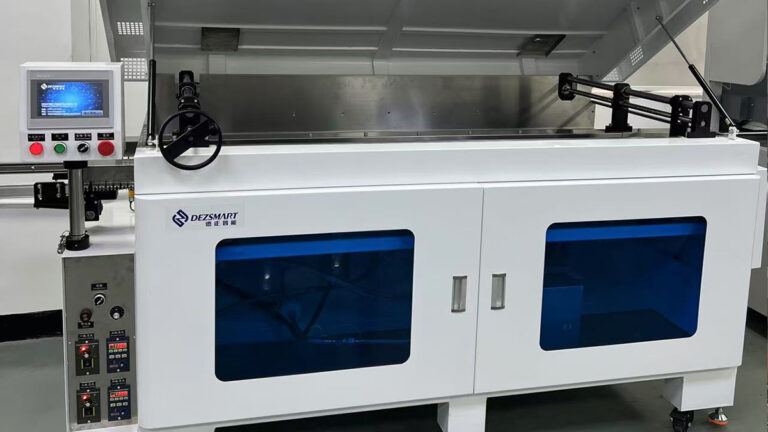
The H3500A is an offline system with manual loading, making it suitable for small-batch, high-mix PCBA production. Each board model can use its own carrier, soldering coordinates and stored product program.
When production changes to another automotive PCBA, the operator loads the corresponding program instead of determining every soldering position and contact time again.
This allows the factory to process different products without dedicating a complete inline line to one fixed PCBA model.
More Joints Mean a Longer Path, Not Less Control
A PCBA with many through-hole joints requires a longer programmed path, but the machine still controls each soldering location.
Soldering path, nozzle height, travel speed and wave-contact time can be matched to individual joints or joint groups. Product recipes also store the required solder temperature and wave settings.
Small connector pins and larger terminals therefore do not have to use one identical soldering action. The process can be adjusted according to pin layout, pad size, thermal demand and required hole fill.
How the Process Matched the Project
Automotive production requirement
Selective soldering control
Production effect
Small batches and multiple PCBA models
Separate saved program for each product
Faster and more repeatable product changeover
Numerous through-hole joints
Coordinate-based automatic soldering sequence
Joint count no longer depends on repeated hand soldering
Different pin and terminal sizes
Adjustable path, speed, nozzle height and contact time
Process settings match different joint conditions
Higher soldering consistency requirement
Controlled temperature, wave contact and movement
Less variation between operators and shifts
Growing automotive order volume
Multiple machines installed in the same production area
Different batches can be processed with greater capacity
Once a product program has been validated, the same settings can be repeated across the remaining PCBAs in the batch. If the order returns, the saved program provides a controlled starting point for production.
Less Flux Outside the Soldering Area
The machine applies flux only to programmed through-hole locations. It does not coat the complete underside of the PCBA with flux before soldering.
This selective application reduces unnecessary flux use around components and areas that do not require soldering. According to the customer’s production observation, almost no visible flux residue remained on the PCBAs after soldering.
Visible appearance does not replace ionic-contamination testing when a customer specifies a cleanliness limit. However, applying less flux from the beginning reduces the amount of process residue introduced onto the assembly.
Why the Customer Installed Multiple Machines
The first requirement was soldering stability. The second was production capacity.
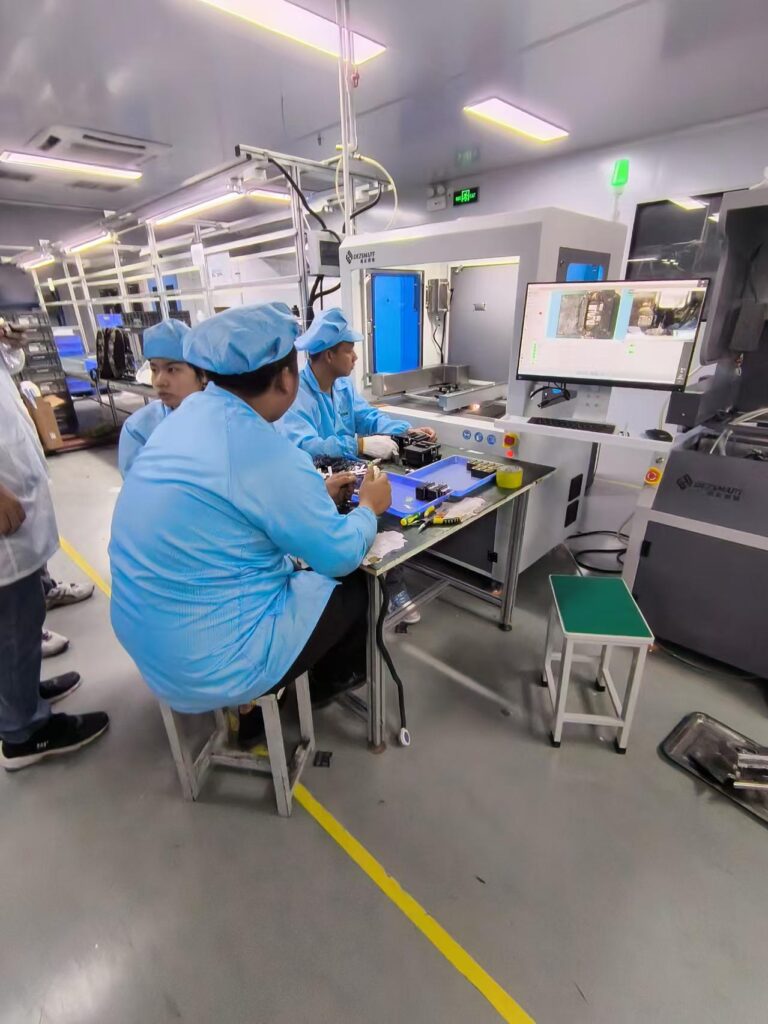
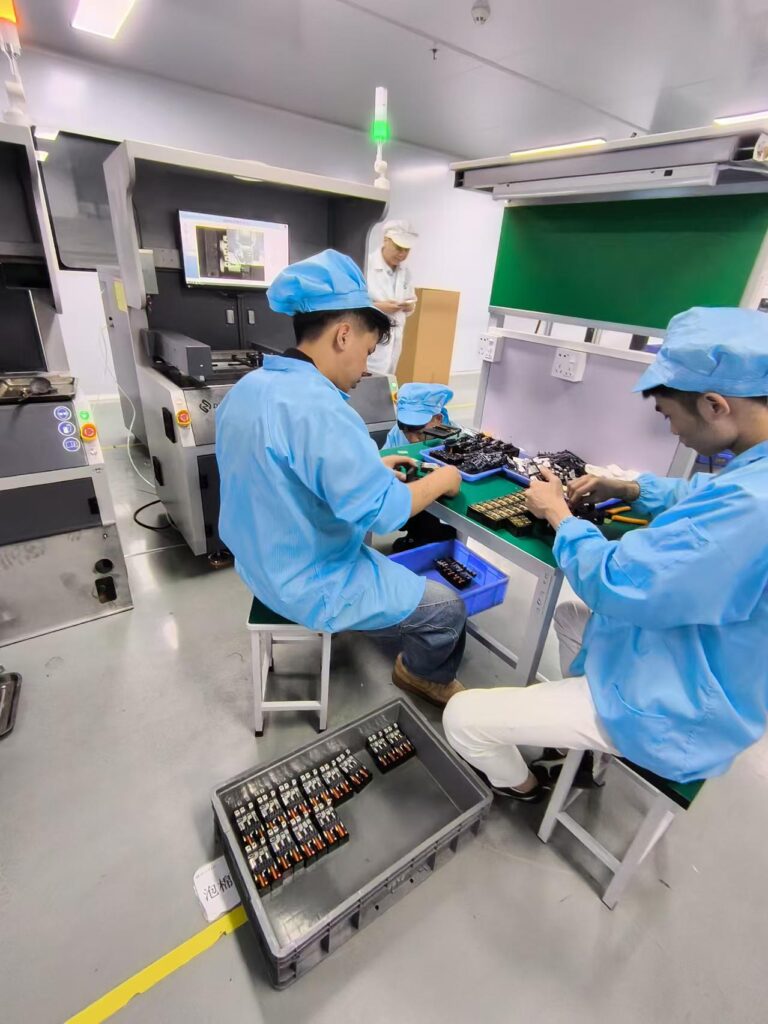
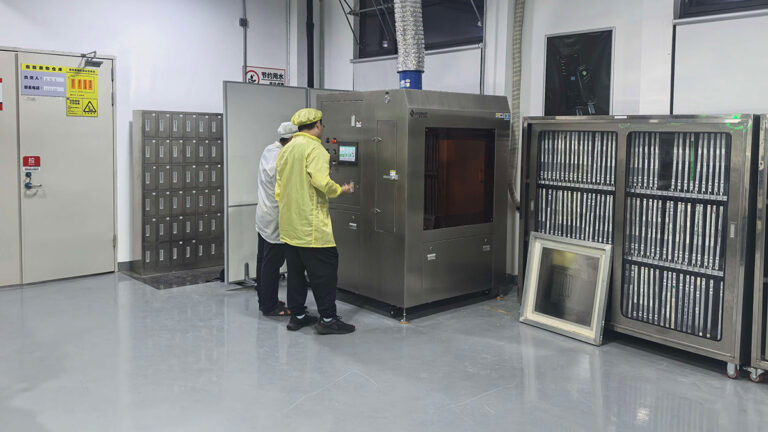
One offline machine provides flexibility for changing PCBA models, but several automotive orders may need to run at the same time. Installing multiple machines allows the factory to assign different PCBA programs to separate soldering cells or process additional batches in parallel.
This configuration also prevents one long soldering path from becoming the only production bottleneck when a board contains many joints.
The customer retained manual component insertion and board handling while transferring repetitive soldering work to programmed equipment.
More Competitive Automotive Soldering Quality
The main improvement was not simply replacing a soldering iron with a machine. The customer established a repeatable process for flux position, soldering path, nozzle movement and wave-contact time.
Soldering results became less dependent on the operator, while different joints could use process settings suited to their actual condition. Selective flux application also left very little visible residue after soldering.
For an automotive electronics supplier competing for quality-sensitive orders, this combination of flexibility, capacity and process consistency provides a stronger production capability than relying entirely on manual soldering.
Send DEZ the PCBA dimensions, bottom-side image, THT coordinates, component clearance, solder alloy, flux type and required production quantity.
DEZ can review the soldering path, nozzle access, estimated cycle time and whether the project requires one offline machine, multiple soldering cells or an inline selective soldering system.