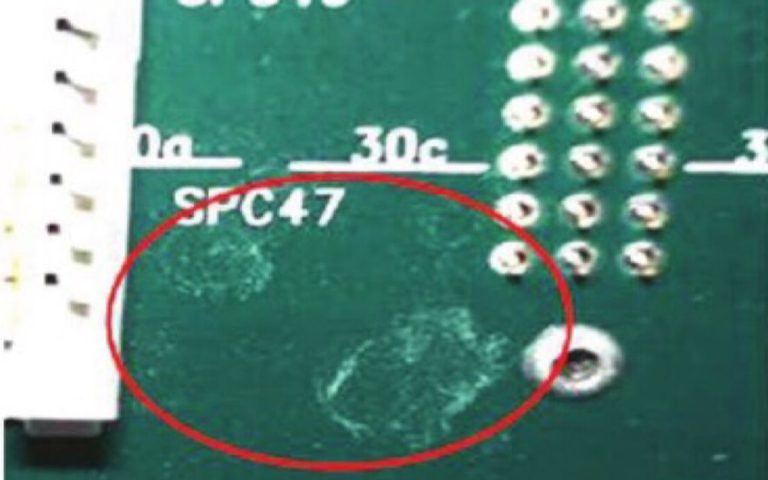
No-clean flux does not always need to be removed. When correctly applied and fully activated by the soldering process, its remaining residue may be acceptable on some PCB assemblies.
However, no-clean does not mean that the residue is clean, non-ionic or suitable for every product. Cleaning may still be required before conformal coating, for high-impedance circuits, to meet customer cleanliness limits or to remove visible residue.
What Does No-Clean Flux Mean?
No-clean flux is formulated to leave a relatively small amount of residue after soldering. Under the specified process conditions, the residue may remain on the assembly without a separate cleaning stage.
Its acceptability depends on the flux formulation, applied quantity, heating profile, PCB design, operating environment and product requirements.
Residue that has not been properly heated may behave differently from fully processed flux.
When Can No-Clean Flux Remain?
No-clean residue may remain when the soldering process has been qualified, the flux is correctly activated and the customer permits residue on the finished assembly.
The PCB should also meet the required visual, electrical and cleanliness criteria. Leaving residue should be a confirmed process decision rather than an assumption based only on the words “no-clean”.
No-clean flux residue can interfere with coating wetting, adhesion and coverage.
Residue trapped around component leads or beneath low-clearance components may cause coating separation, bubbles or incomplete coverage.
Clean and dry the PCBA before coating when required by the coating supplier, customer specification or validated production process. The cleaning chemistry must be compatible with the PCB materials, components, labels and coating.
High-Impedance and High-Voltage Circuits
Residue becomes more important on circuits with high impedance, small conductor spacing or elevated operating voltage.
Moisture and ionic contamination can reduce surface insulation resistance or contribute to leakage and electrochemical migration.
These assemblies may require cleaning and measurable cleanliness testing even when no-clean flux is used.
Harsh Operating Environments
PCBAs used in humid, polluted or temperature-cycling environments may require tighter contamination control.
Automotive, industrial, telecommunications, aerospace and medical electronics can have different reliability and cleanliness requirements. The product specification—not the industry name alone—should determine whether cleaning is required.
Visible Flux Residue
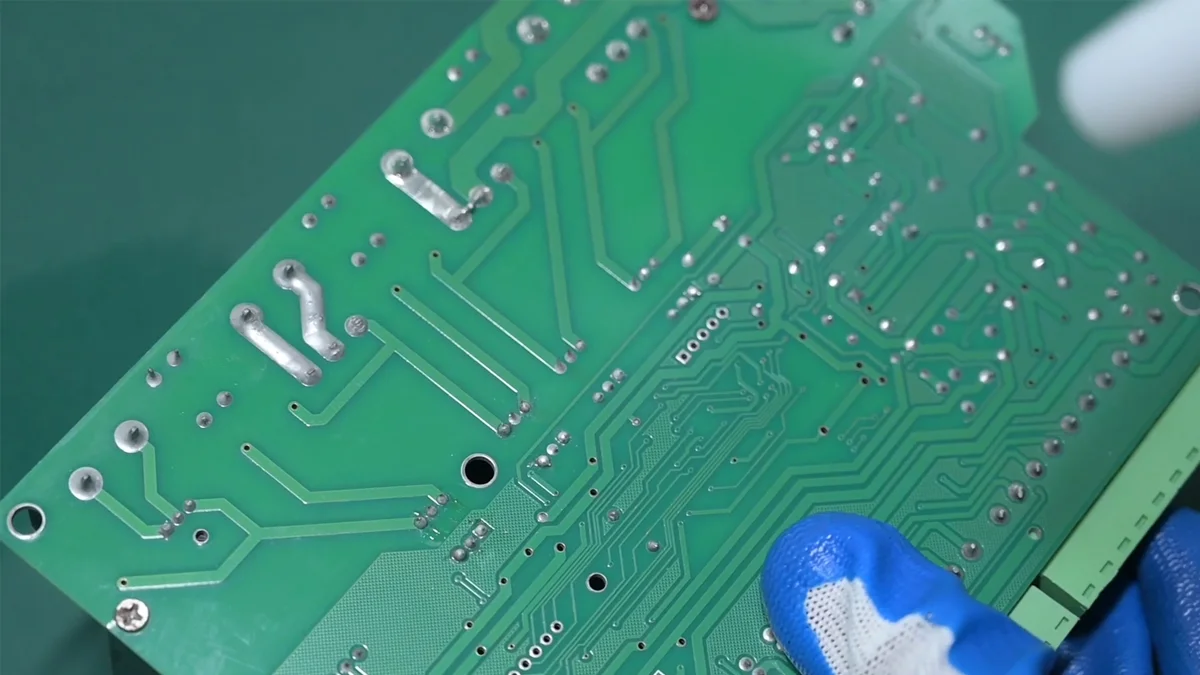
Visible residue may be unacceptable even when it does not cause an electrical failure.
Customers may require a clean surface for appearance, inspection, marking, bonding or coating. Brown flux marks and residue around solder joints can also make visual inspection more difficult.
Visible cleanliness does not prove that ionic contamination has been removed.
Flux residue on test pads can interfere with electrical test probes.
Cleaning may be required when probe marks are inconsistent, contact resistance increases or residue is transferred to the test fixture.
The test-pad location and cleaning accessibility should be considered when selecting the cleaning method.
Incorrectly Processed Flux
No-clean flux may leave problematic residue when too much flux is applied or the assembly does not receive sufficient preheating.
Review the flux quantity, preheat, soldering temperature and contact time before adding a cleaning process. Cleaning the residue does not correct an unstable soldering process.
Visible Residue and Ionic Contamination Are Different
Visible flux marks can be inspected with the eye or a camera. Ionic contamination requires a defined test method.
A visually clean PCBA may still contain ionic contamination. A board with visible residue may still pass a particular electrical-cleanliness requirement.
Define the required result before choosing the cleaning equipment.
How Is No-Clean Flux Removed?
The cleaning method depends on the flux, residue condition, board design and required cleanliness.
The process may use a compatible water-based cleaning agent, solvent cleaning, brush cleaning or another validated method. No single cleaning fluid removes every no-clean flux.
Fresh residue is often easier to remove than residue that has been repeatedly heated or stored for a long period.
Single-Sided Brush Cleaning
Brush cleaning is suitable when visible residue and loose solder balls must be removed from one accessible solder side.
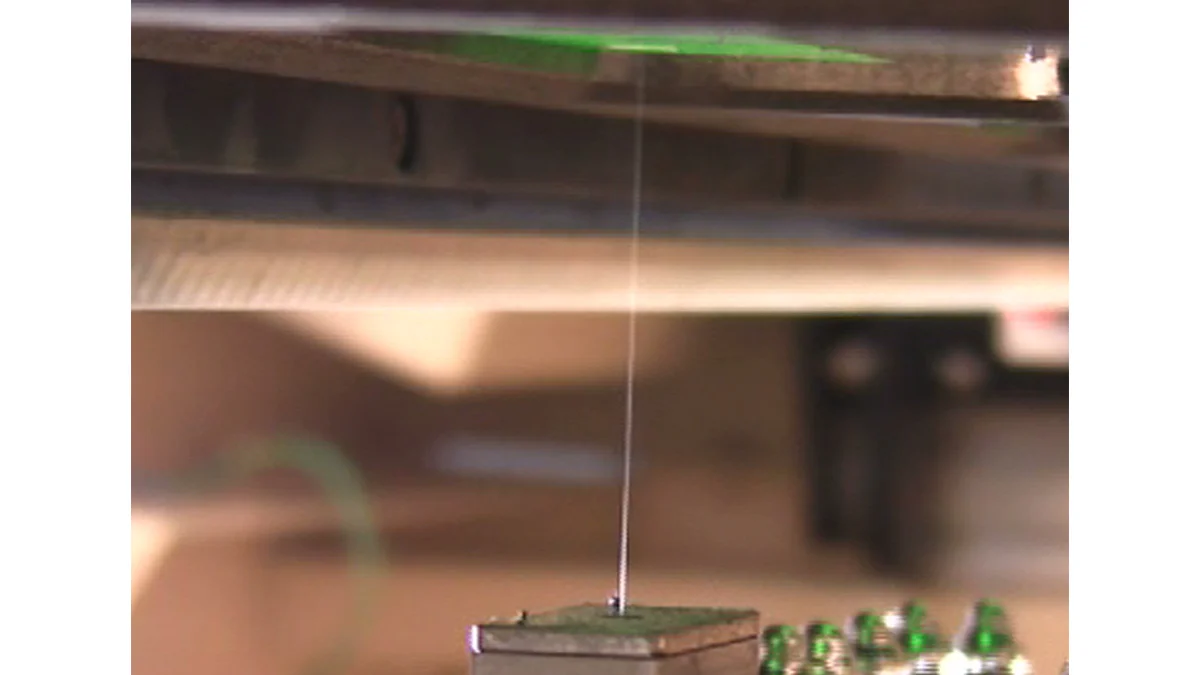
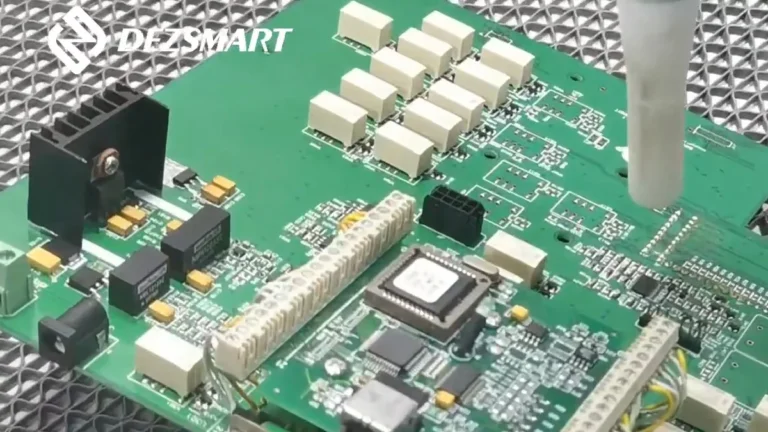
The DEZ-C758 and DEZ-C760 apply compatible cleaning agent, brush the accessible surface and remove or collect the loosened contamination.
This method is not intended for complete washing beneath components or controlled DI-water rinsing of the entire PCBA.
Offline Batch PCBA Cleaning
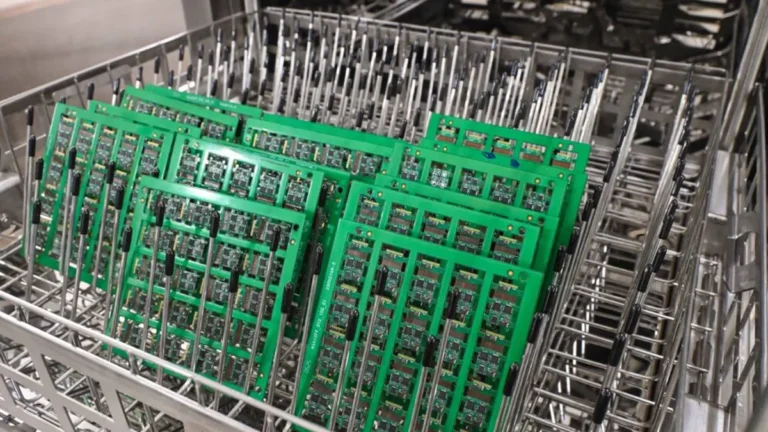
The DEZ-C743 Offline PCBA Batch Cleaner processes multiple PCBAs in a sealed chamber.
It completes water-based washing, DI-water rinsing and hot-air drying. This format suits high-mix production and PCBAs that can be cleaned together in baskets.
Inline Water-Based PCBA Cleaning
The DEZ-C1360 and DEZ-C1520 Inline Water-Based PCBA Cleaning Machines continuously transfer PCBAs through washing, DI-water rinsing and drying sections.
Inline cleaning is suitable when the cleaning process must connect with continuous PCBA production.
Cleaning Can Create New Contamination
An incomplete process may dissolve flux and spread it across the PCB without removing it.
Remaining cleaning agent, contaminated rinse water and incomplete drying can leave new residue or moisture beneath components.
A complete process must combine compatible cleaning chemistry, sufficient mechanical action, effective rinsing and complete drying.
How to Confirm the Cleaning Result
Use inspection and testing methods that match the product requirement.
Visual inspection can confirm surface residue and loose contamination. Ionic cleanliness may be checked using ROSE testing, ion chromatography or another customer-approved method.
Coating adhesion, electrical testing and surface-insulation-resistance testing may also be required for specific assemblies.
Should You Remove No-Clean Flux?
Leave the residue only when the soldering process is controlled and the finished PCBA meets the required appearance, electrical, coating and cleanliness criteria.
Clean the assembly when residue affects coating, testing, inspection, appearance or the specified reliability requirement.
Request PCBA Cleaning Testing
Send your PCBA samples, flux information and required cleaning result. DEZ can test the assembly and recommend brush, batch or inline PCBA cleaning equipment.