Speak Directly With Our Equipment Team
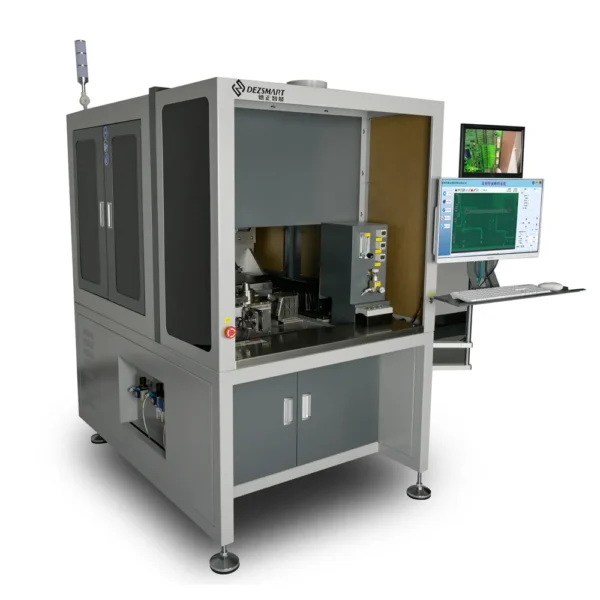
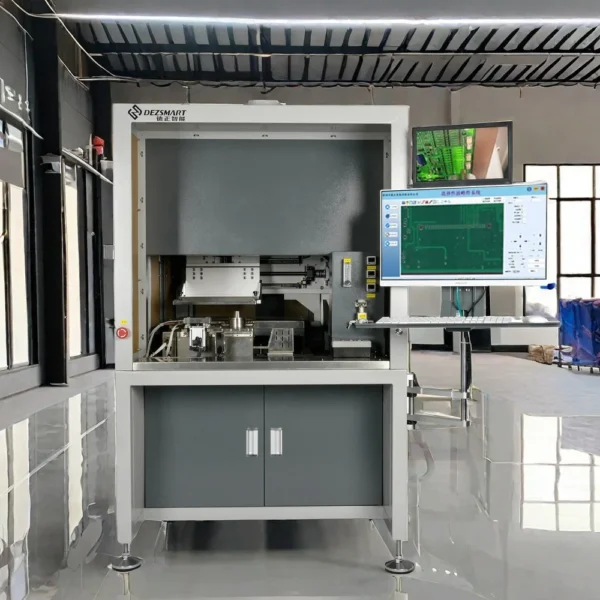
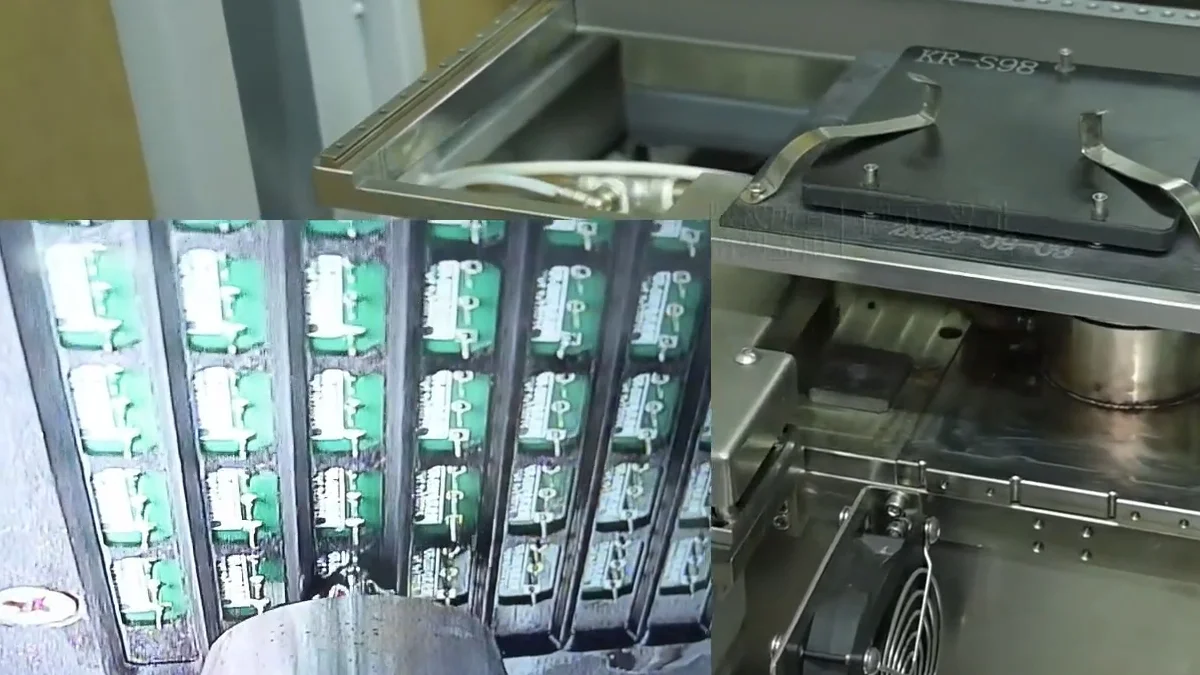
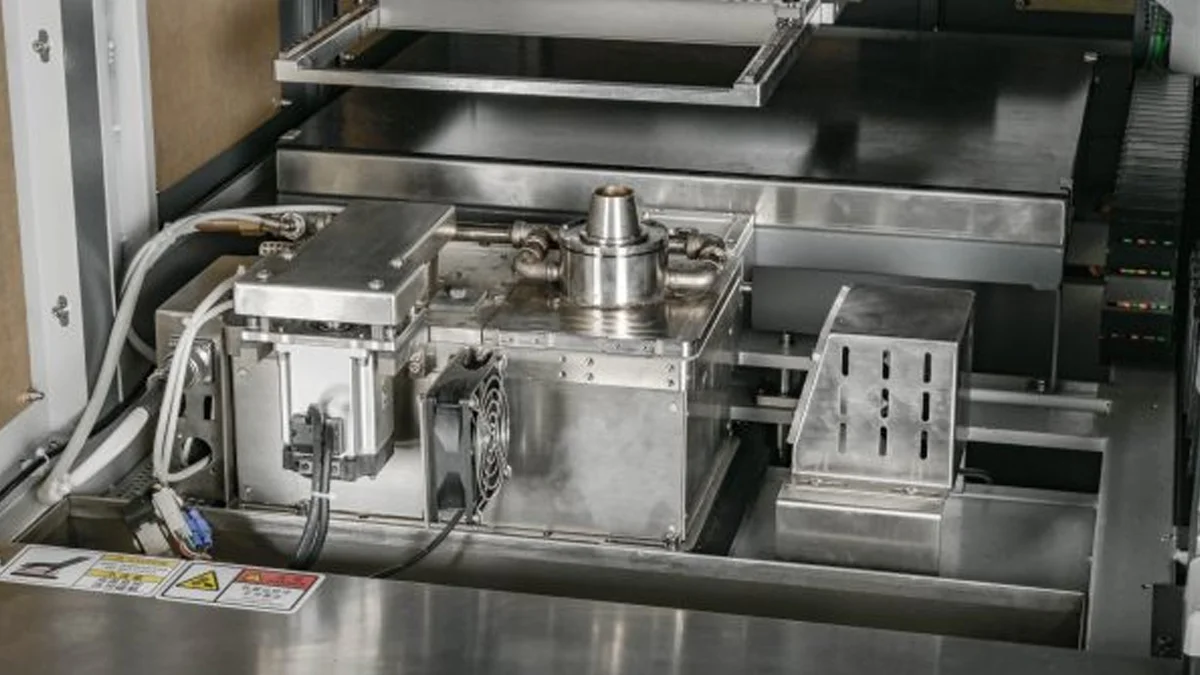
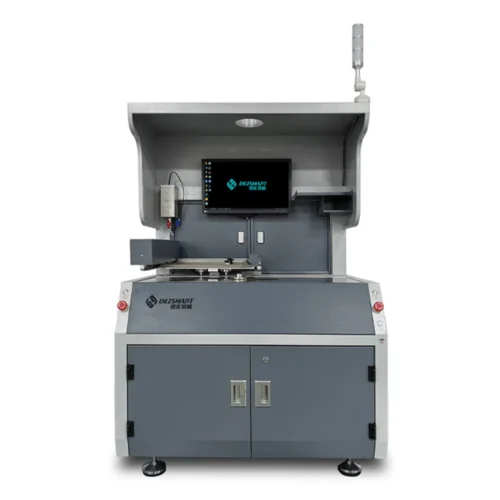
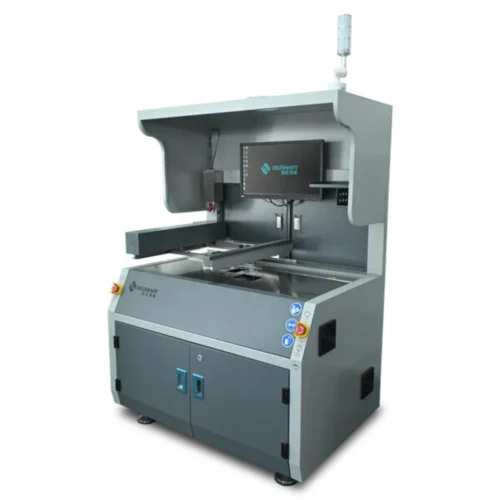
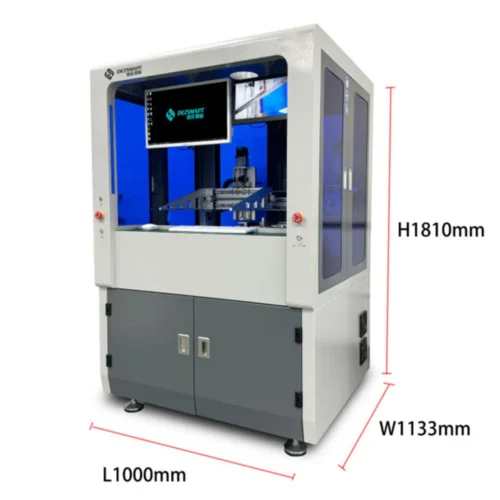
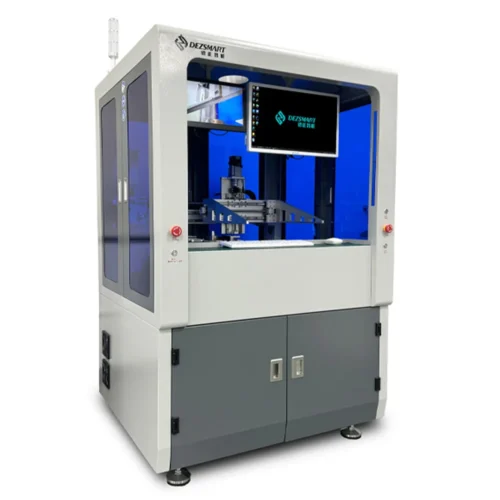
The DEZ-H3600A automates flux application, infrared preheating and selective soldering of through-hole components on PCBAs up to 400 × 300 mm.
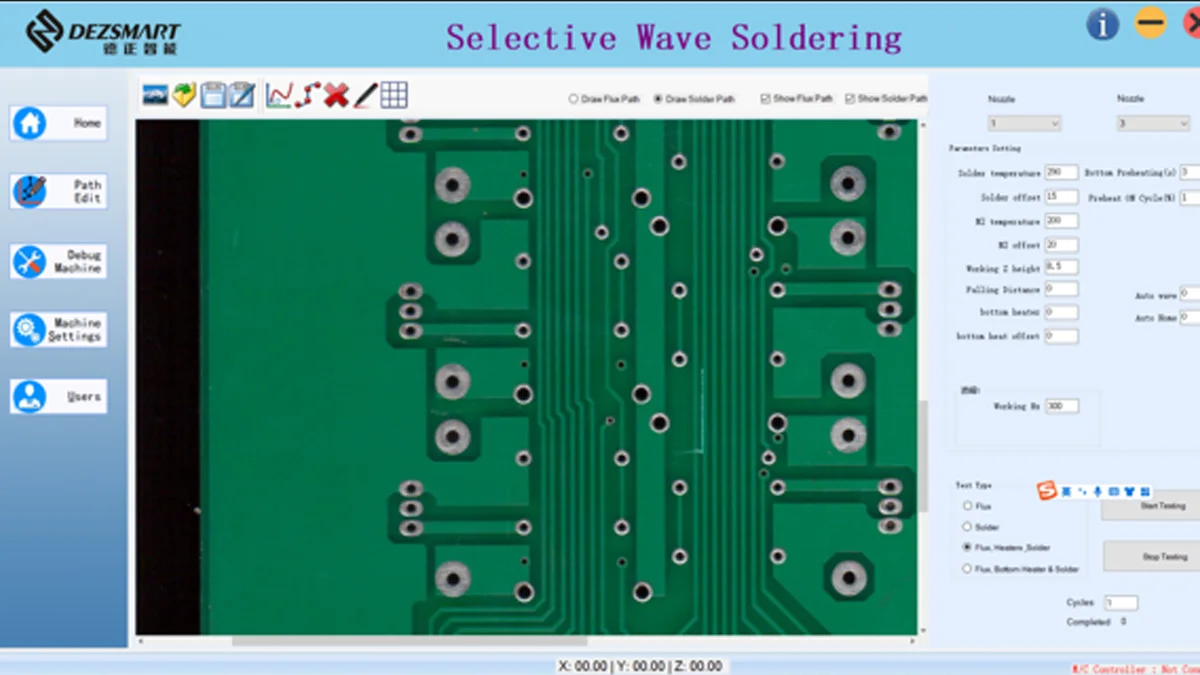
The operator loads the PCBA manually, and the programmable XYZ servo platform moves each soldering point through the required process. Soldering paths, temperatures, movement speeds, wave height and process times can be saved for repeated production.
The machine is designed for high-mix, small- and medium-batch production that requires more consistent solder joints than manual soldering without installing a complete inline selective soldering line. Suitable for customers using thick PCBs, boards with high thermal capacity, or PCBs requiring preheating.
Mixed-technology PCBAs often contain reflow-soldered SMD components together with connectors, transformers, relays, terminals and other through-hole parts.
Manual soldering makes joint quality dependent on the operator’s soldering time, solder quantity and iron temperature. This can result in inconsistent hole fill, insufficient solder, bridging and repeated rework.
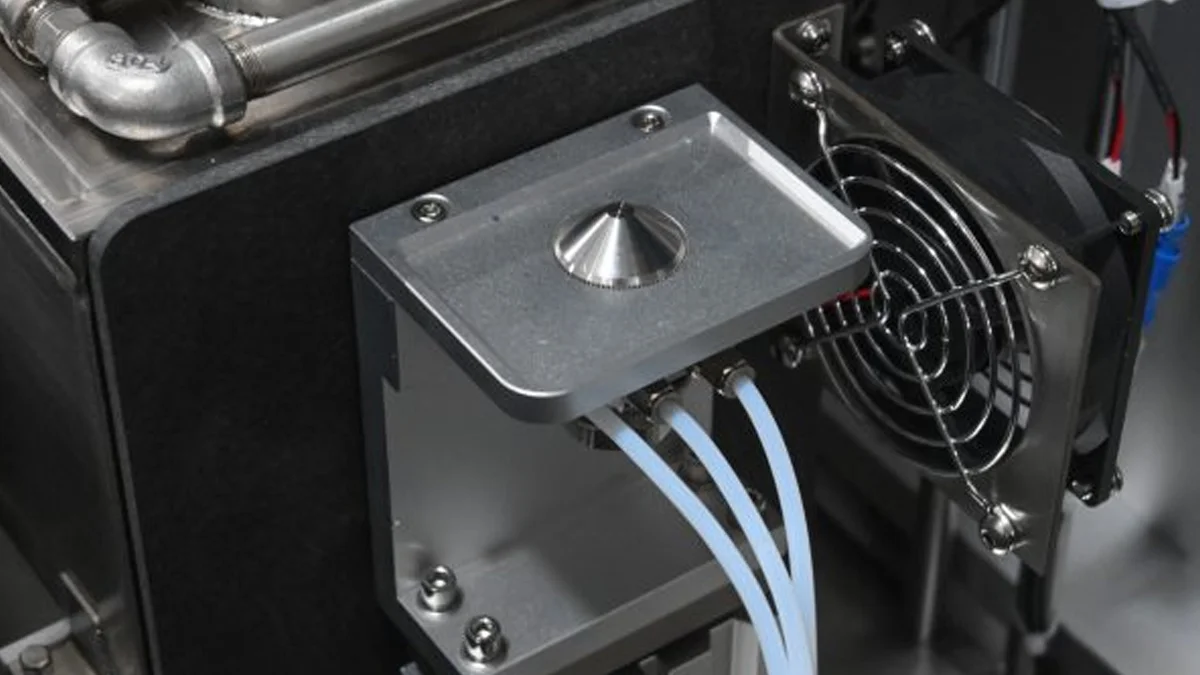
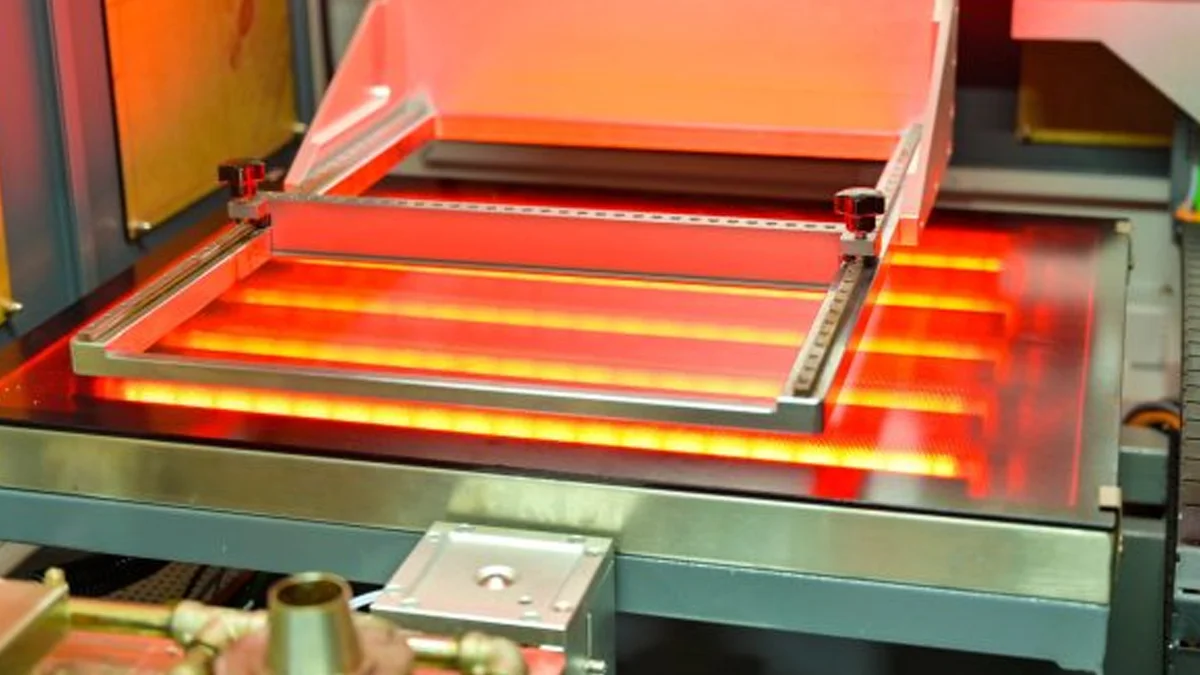
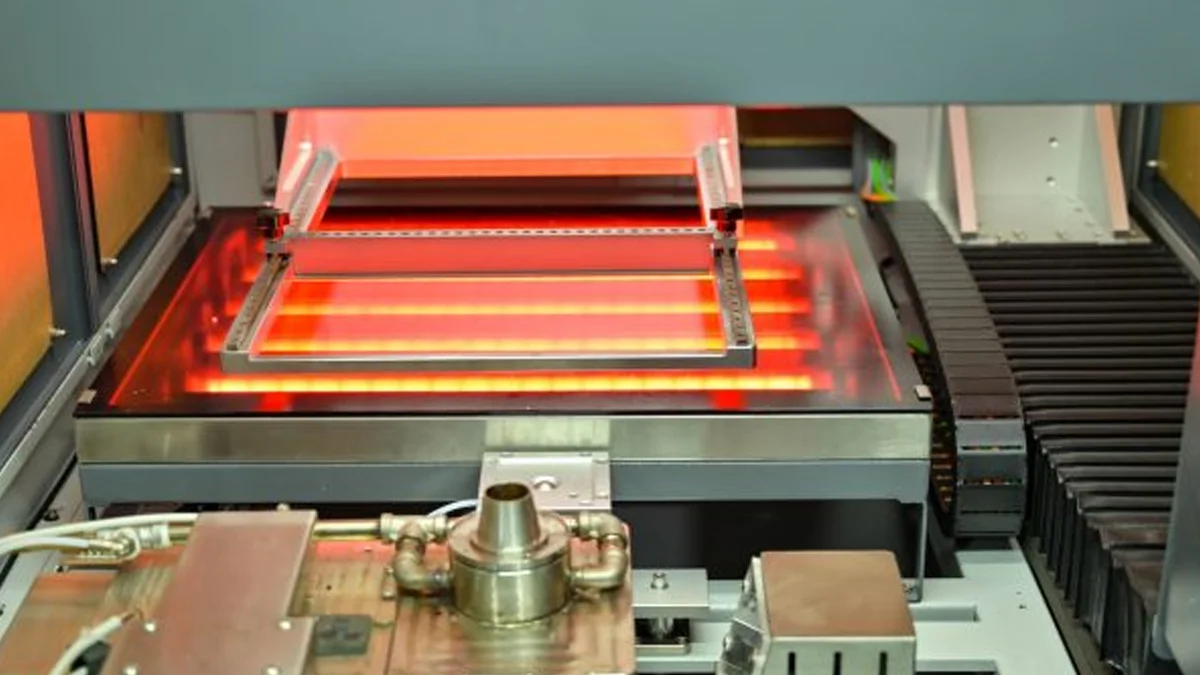
The DEZ-H3600A applies flux only to the programmed areas, preheats the board and moves each through-hole solder joint across a controlled mini-wave. Once the program is confirmed, the same soldering parameters can be repeated for every board in the batch.
Only the selected soldering points contact the solder wave, limiting heat exposure to nearby SMD components and other areas that do not require through-hole soldering.

| Process | Function |
|---|---|
| Manual loading | The operator places the PCBA or carrier on the XYZ motion platform |
| Program selection | The machine loads the saved path and soldering parameters for the product |
| Selective fluxing | Flux is applied only to the programmed through-hole soldering areas |
| Infrared preheating | The lower infrared heater prepares the PCB, pads and component leads for soldering |
| Selective soldering | The platform moves each programmed joint across the nitrogen-assisted mini-wave |
| Process monitoring | The operator observes the soldering process and checks operating parameters |
| Manual unloading | The soldered PCBA is removed for inspection or the next production process |
| Specification | DEZ-H3600A |
|---|---|
| Machine Dimensions | L1260 × W1050 × H1480 mm |
| Total Power | 5 kW |
| Operating Power | 1–3 kW |
| Power Supply | Single-phase AC 220 V, 50 Hz |
| Machine Weight | 450 kg |
| Maximum Soldering Area | L400 × W300 mm; custom sizes available |
| PCB Thickness | 0.2–6 mm |
| Minimum PCB Edge | ≥3 mm |
| Loading and Unloading | Manual |
| Operating Height | 900 ±30 mm |
| Top Component Clearance | 50 mm |
| Bottom Component Clearance | 30 mm |
| Motion Axes | X, Y and Z |
| Motion Control | Closed-loop servo control |
| Positioning Accuracy | ±0.1 mm |
| Flux Tank Capacity | 1 L |
| Preheating Method | Lower infrared preheating |
| Preheating Power | 3 kW |
| Preheating Temperature | 25–240°C |
| Solder Pot Quantity | One |
| Solder Pot Capacity | 15 kg |
| Maximum Solder Temperature | 350°C |
| Solder Pot Power | 1.2 kW |
| Standard Nozzles | Five: 4 mm × 3, 5 mm × 1 and 6 mm × 1 |
| Air Pressure | 3–5 bar |
| Air Consumption | 8–12 L/min |
| Nitrogen Pressure | 3–4 bar |
| Nitrogen Purity | ≥99.998% |
| Nitrogen Consumption | 1–2 m³/h per nozzle |
| Exhaust Requirement | 500–800 m³/h |
We have worked with


It solders through-hole leads used by connectors, transformers, relays, terminals, pin headers, sockets and other THT components. It does not solder BGA or QFN packages; these components may already be present on the mixed-technology PCBA.
Insufficient hole fill can result from inadequate flux, low preheating, excessive soldering speed, incorrect nozzle height, poor lead or hole solderability, or insufficient solder temperature. These factors should be checked together during process development.
Bridging may be caused by an oversized nozzle, excessive wave height, slow withdrawal speed, incorrect movement direction, unsuitable pad spacing or excessive flux. Adjust the nozzle and exit path before increasing the solder temperature.
Check for oxidised pads, contaminated leads, insufficient flux activation, inadequate preheating and incorrect solder temperature. Nitrogen purity and solder-pot oxidation should also be verified.
Nitrogen is required for the specified process configuration. It protects the solder wave from excessive oxidation and supports stable wetting around the nozzle.
The stated requirement is at least 99.998% purity, 3–4 bar pressure and approximately 1–2 m³/h for each operating nozzle.
The nozzle must fit the available space around the solder joint while providing enough solder contact for proper hole fill. Pad size, pin spacing, nearby SMD components and soldering direction must all be considered.
No. A carrier is needed when the board cannot be held securely, has an irregular outline, lacks sufficient edge clearance or requires additional support against warpage.
The operator installs the required carrier and nozzle, selects the saved PCBA program and confirms the fluxing, preheating and soldering positions before production.
Remove dross regularly, inspect the nozzle outlet, check wave stability and clean accumulated flux or solder residue. Oxidation or blockage around the nozzle can reduce wave height and cause incomplete joints.
The solder pot supports temperatures up to 350°C, but alloy compatibility, pot material, nozzle configuration and process profile should be confirmed before changing solder materials.
Send the PCBA, Gerber file, board dimensions, thickness, component clearances, solder alloy, flux type, required hole fill standard and target production cycle.
Contact DEZ for PCBA cleaning machine, selective soldering machine, stencil cleaning machines, X-ray inspection, BGA rework, reflow ovens and SMT handling equipment.
Send your workpiece dimensions, production problem and required throughput to receive a free application review, equipment recommendation and project quotation. Free sample testing is available for qualified projects.
An equipment specialist will contact you within one hour during business hours.
Get a Free Recommendation and Request Sample Testing
Email: [email protected]
Phone: +86 138 2338 9052