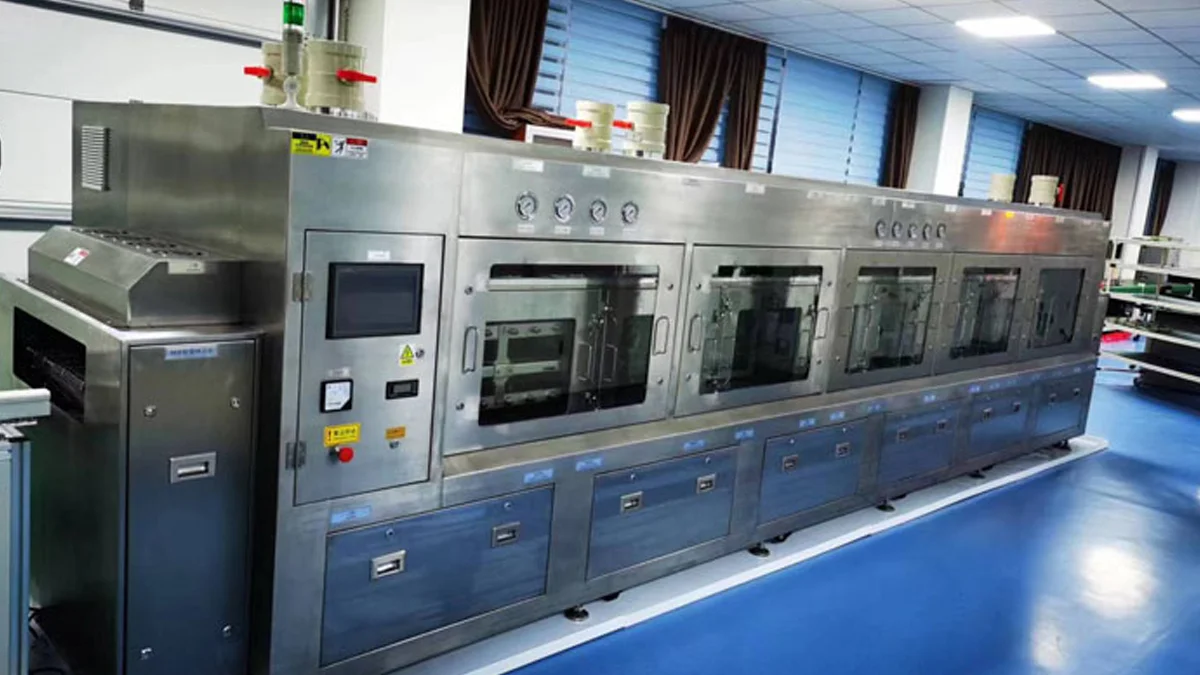
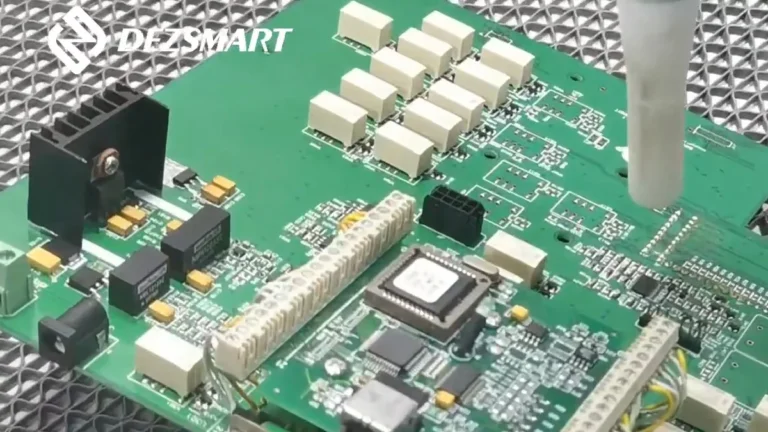
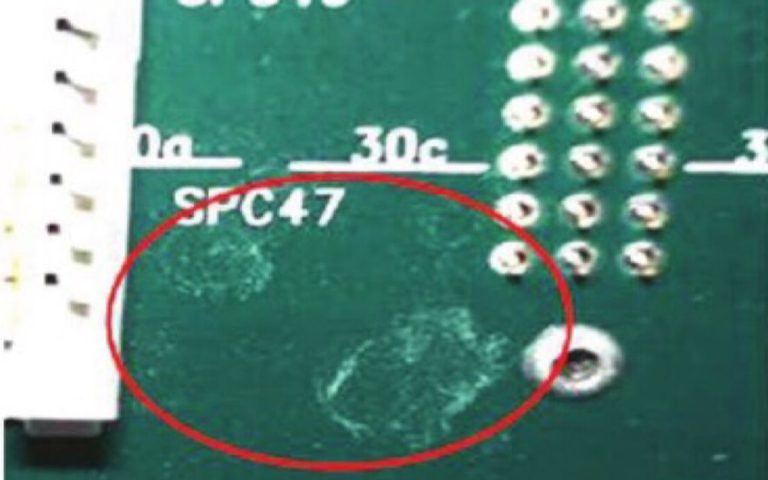
An inline PCBA cleaning machine continuously transfers assemblies through separate washing, rinsing and drying sections.
An offline machine processes PCBAs independently from the production conveyor, usually by loading multiple assemblies into a basket or chamber.
Choose inline cleaning for continuous production. Choose offline batch cleaning for high-mix production, smaller batches or frequent product changes.
Table of Contents
What Is an Offline PCBA Cleaning Machine?
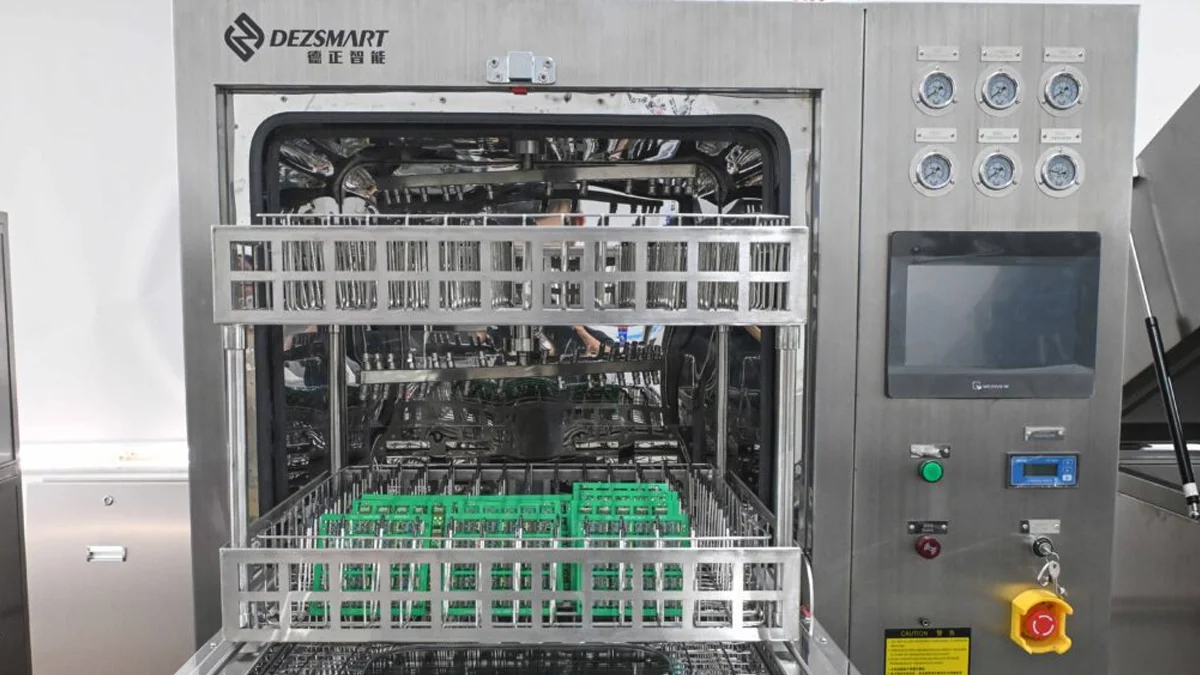
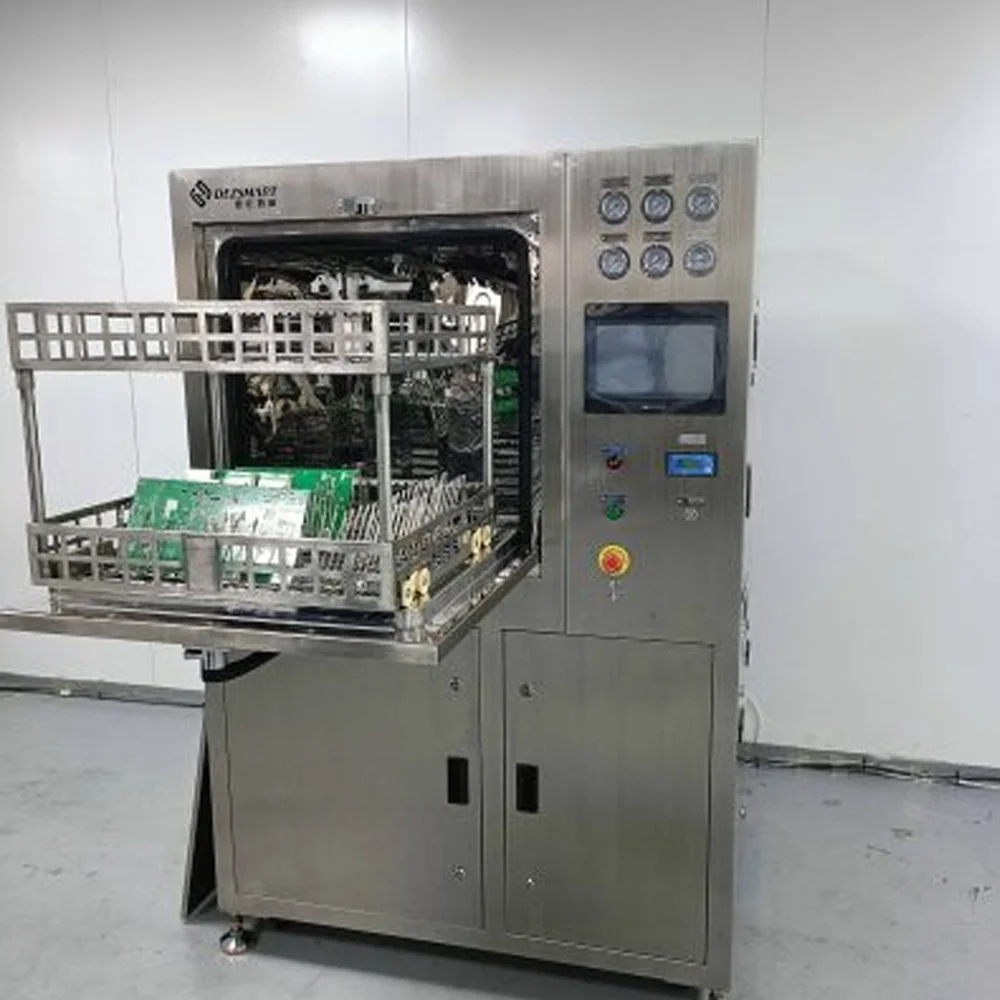
An offline PCBA cleaning machine operates as an independent production station. Offline does not mean that the washing process is manual.
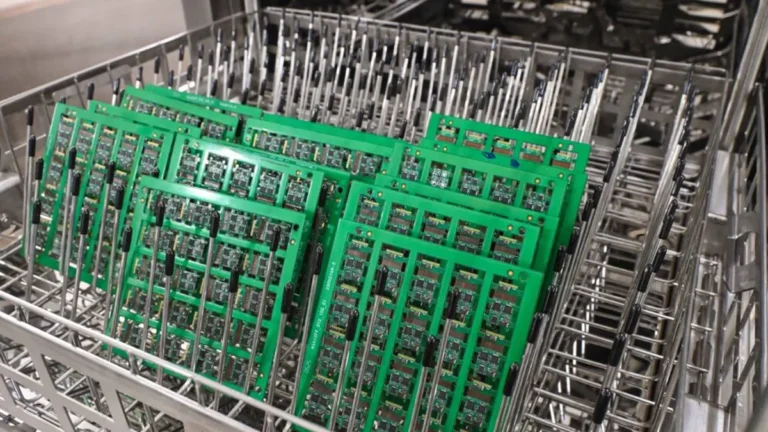
Operators load PCBAs into a basket, place the basket in the cleaning chamber and select the required recipe. The machine automatically completes the cleaning cycle.
Inline equipment can operate as an independent conveyor system or connect with upstream and downstream production equipment.
Main Differences
Requirement
Offline PCBA Cleaning
Inline PCBA Cleaning
Loading method
PCBAs loaded into a basket
PCBAs loaded onto a conveyor
Production method
Batch processing
Continuous processing
Product mix
Suitable for frequent changes
Suitable for repeated inline production
Process sections
One enclosed chamber
Separate wash, rinse and drying sections
Floor space
More compact
Longer machine layout
Operator involvement
Basket loading and unloading
Conveyor loading or line transfer
Recipe changes
Flexible between batches
Set for continuous product flow
Line integration
Independent station
Can connect with other equipment
Utilities
Used during each batch cycle
Supplied continuously during production
Production Volume
Inline cleaning is suitable when PCBAs must enter the machine continuously and the required cycle supports conveyor production.
Offline cleaning processes several PCBAs in one basket. Its output depends on basket capacity, loading arrangement and total wash, rinse and drying time.
Compare the required cleaned boards per hour using the actual PCBA and complete process—not only conveyor speed or basket quantity.
Product Mix
Offline batch cleaning suits factories processing different PCB models during the same shift.
The operator can change the basket loading and cleaning recipe between batches. Different PCBAs should only be cleaned together when their materials, contamination and required process are compatible.
Inline cleaning is more suitable when the same PCBA or a controlled group of assemblies runs continuously.
Cleaning Process
Both machine types can perform water-based washing, DI-water rinsing and hot-air drying.
Cleaning performance depends on the chemistry, spray access, temperature, process time, rinse quality and drying—not simply whether the machine is inline or offline.
The cleaning liquid must reach the residue, dissolve it and carry it away from component leads and low-clearance areas.
Floor Space
An offline machine combines several process stages inside one chamber and normally requires less installation length.
An inline system separates washing, rinsing and drying into different sections. This requires more floor space but allows PCBAs to move continuously through the process.
Include maintenance access, chemical supply, deionized water equipment, drainage and exhaust when planning the installation area.
Operator Requirements
Offline cleaning requires an operator to arrange PCBAs in the basket and remove them after the cycle.
Inline cleaning reduces repeated basket handling. PCBAs can enter from an upstream process or be loaded directly onto the conveyor.
Operators are still required for recipe control, chemistry management, filter inspection and equipment maintenance.
Factory Utilities
Both processes may require cleaning chemistry, DI water, compressed air, drainage, exhaust and electrical power.
Inline machines normally require a more continuous supply because PCBAs move through the process without batch stops.
Confirm water consumption, drainage capacity and exhaust before selecting the machine. A separate DI-water production or storage system may be required.
Process Control
Offline machines can store different settings for different PCB models. Wash, rinse and drying parameters can be changed between batches.
Inline machines control conveyor speed and the settings of each processing section. The PCB must receive sufficient washing, rinsing and drying time while moving continuously.
Recipe storage and production-system interfaces depend on the selected configuration.
Maintenance
Offline equipment requires inspection of the chamber, basket, spray nozzles, filters, liquid circuits and drying system.
Inline equipment contains longer conveyors and separate wash, rinse and drying sections. Maintenance also includes conveyor tracking, section barriers, spray zones and additional filters or pipe circuits.
Maintenance access and consumable replacement should be considered before installation.
DEZ-C743 Offline PCBA Batch Cleaner
The DEZ-C743 loads multiple PCBAs in a two-level basket inside a sealed SUS304 chamber.
Upper, middle and lower spray arms direct heated cleaning liquid towards the assemblies. The machine then completes DI-water rinsing and filtered hot-air drying before unloading.
Choose the C743 for high-mix batch cleaning, frequent product changes or production that does not require continuous conveyor transfer.
DEZ-C1360 and DEZ-C1520 Inline PCBA Cleaning Machines
The DEZ-C1360 continuously transfer PCBAs through water-based washing, DI-water rinsing and hot-air drying sections.
Choose an inline model when cleaning must support continuous production and the factory can provide the required installation space, water, drainage and exhaust.
Final selection depends on the PCBA dimensions, contamination, required throughput and confirmed machine configuration.
The DEZ-C758 and DEZ-C760 also use continuous PCB transfer, but they perform single-sided brush cleaning.
They remove visible flux marks and loose solder balls from one accessible solder side. They do not perform complete water-based washing and DI-water rinsing of the entire PCBA.
Choose them by the required cleaning result, not only because they use a conveyor.
Which Machine Should You Choose?
Choose an offline batch cleaner when you process different PCBAs, change products frequently or need washing, rinsing and drying without adding a long inline system.
Choose an inline cleaner when PCBAs must move continuously through separate washing, rinsing and drying sections.
Choose a single-sided brush cleaner when only one accessible solder side contains visible residue or loose solder balls.
Request a PCBA Cleaning Recommendation
Send the PCBA dimensions, component height, flux type, contamination, required cleanliness, production volume and factory utilities.
DEZ can test customer samples and recommend offline batch, inline water-based or single-sided brush cleaning equipment.