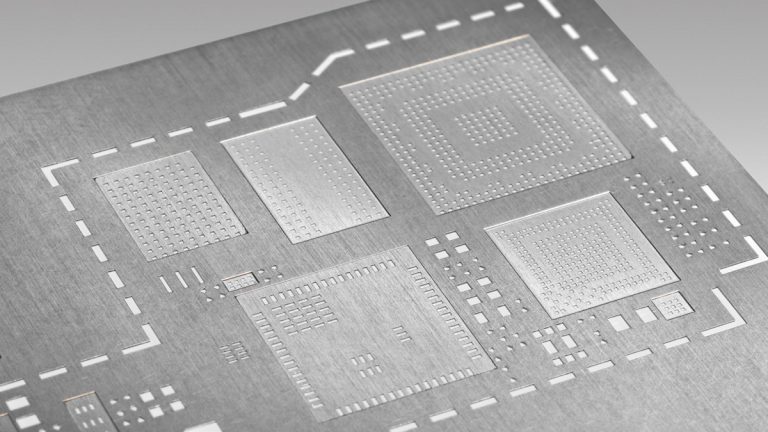
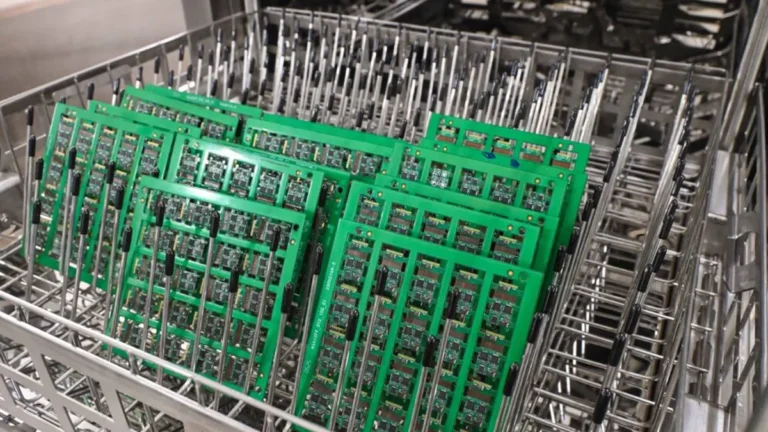
SMT equipment should be selected around the PCB, production process and required output—not simply by comparing maximum speed.
Before requesting quotations, confirm the PCB dimensions, product mix, process route, target cycle, inspection requirements, factory utilities and connection between machines.
Define the PCB Range
Record the minimum and maximum PCB length, width, thickness and weight. Include the tallest top-side and bottom-side components.
Also confirm the transfer direction, fixed edge and whether production uses bare PCBs, panels, carriers or assembled PCBAs.
A machine that accepts the largest PCB may still be unsuitable if it cannot handle the smallest board, bottom-side clearance or actual board weight.
Confirm the Product Mix
A line producing one PCB model continuously has different requirements from an EMS line processing frequent changeovers.
High-mix production requires easier width adjustment, recipe storage, flexible buffering and equipment capable of processing different board dimensions. Dedicated high-volume lines place more importance on continuous transfer and cycle stability.
Map the Production Process
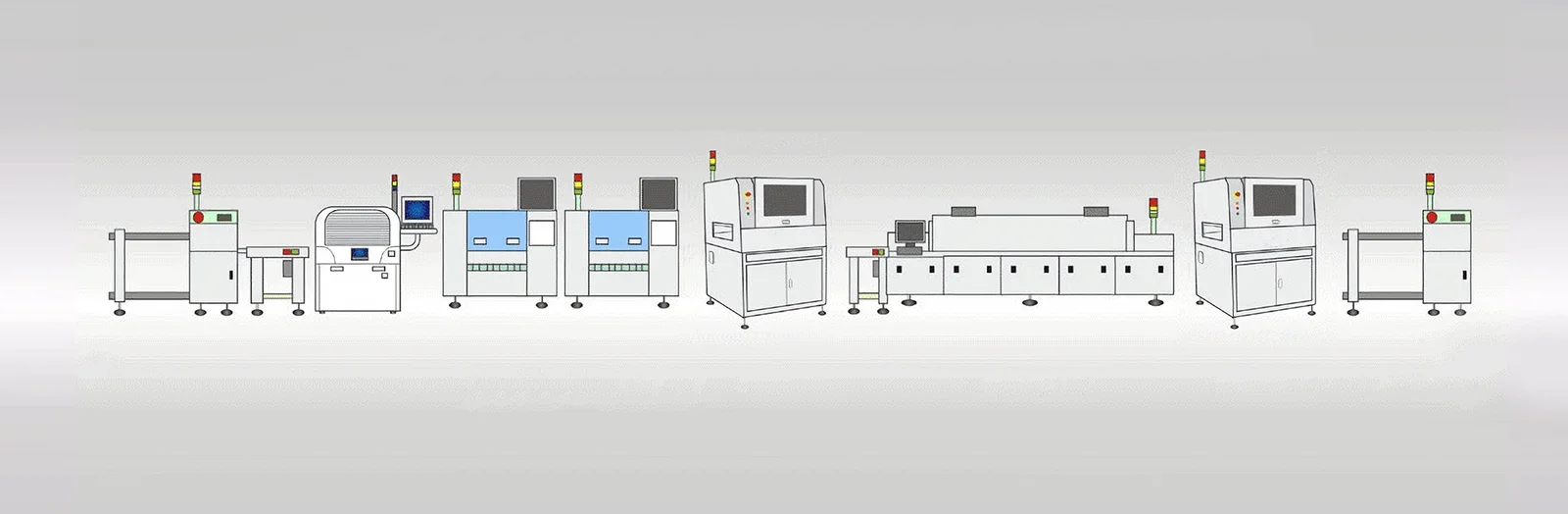
A typical PCB assembly process may include:
PCB Loading → PCB Cleaning → Solder Paste Printing → Component Placement → Reflow Soldering → Inspection → Selective Soldering → PCBA Cleaning → Final Inspection
Not every line requires every process. Select equipment only for the actual production stages and required results.
Calculate the Required Throughput
Determine the required boards per hour and the target cycle time for each PCB model.
The line output is controlled by its slowest process. A fast placement machine will not improve output if printing, reflow, inspection, selective soldering or unloading creates a bottleneck.
Include product changeover, loading, inspection and maintenance time when calculating realistic capacity.
Select PCB Cleaning Before Printing
Dust, fibres and static-attracted particles on bare PCBs can affect solder paste printing.
Use a double-sided PCB cleaning machine before the solder paste printer when incoming boards require automatic surface cleaning. Confirm PCB dimensions, thickness, transfer height, direction, fixed edge and line speed.
The DEZ-C753S Double-Sided PCB Cleaning Machine removes loose surface contamination before printing. It is not intended for removing flux residue from assembled PCBAs.
Select the Reflow Oven
Choose the reflow oven according to the solder paste, PCB thermal mass, component layout, required throughput and target temperature profile.
Confirm the number and length of heating zones, cooling capacity, conveyor width, component clearance, exhaust, power supply and required profiling method.
Large connectors, shields, power devices and heavy copper areas normally require more heating control than small, low-mass assemblies.
DEZ supplies the DEZ-R800PC and DEZ-R1000PC reflow ovens for continuous SMT PCB assembly.
Select Through-Hole Soldering Equipment
Mixed-technology PCBAs may contain connectors, terminals, relays, transformers and other THT components after SMT reflow.
Selective soldering is suitable when only specified joints require soldering or when the complete assembly cannot pass through wave soldering.
Offline models suit batch production and independent loading. Inline models connect with continuous PCB assembly lines.
Provide the PCB or carrier dimensions, THT joint coordinates, bottom-side clearance, solder alloy, flux, nozzle requirements and production cycle before selecting a machine.
Select PCBA Cleaning Equipment
The cleaning method must match the contamination and assembly.
Use the DEZ-C758 or DEZ-C760 when visible flux marks and loose solder balls must be brushed from one accessible solder side.
Use the DEZ-C743 when different PCBAs require offline batch washing, DI-water rinsing and hot-air drying.
Use the DEZ-C1360 or DEZ-C1520 when PCBAs must pass continuously through water-based washing, DI-water rinsing and drying.
Confirm the flux, contamination, board dimensions, component clearance, required cleanliness, throughput and available water, drainage and exhaust.
Select Inspection and Rework Equipment
Visual inspection cannot verify solder joints beneath BGA, QFN, LGA and CSP packages.
Use a PCBA X-ray inspection system when hidden joints must be checked for voids, bridges, insufficient solder or misalignment.
A BGA rework station is required when defective packages must be removed, aligned and replaced without discarding the complete PCB assembly.
X-ray inspection identifies the defect. BGA rework performs the component replacement.
Select SMT Handling Equipment
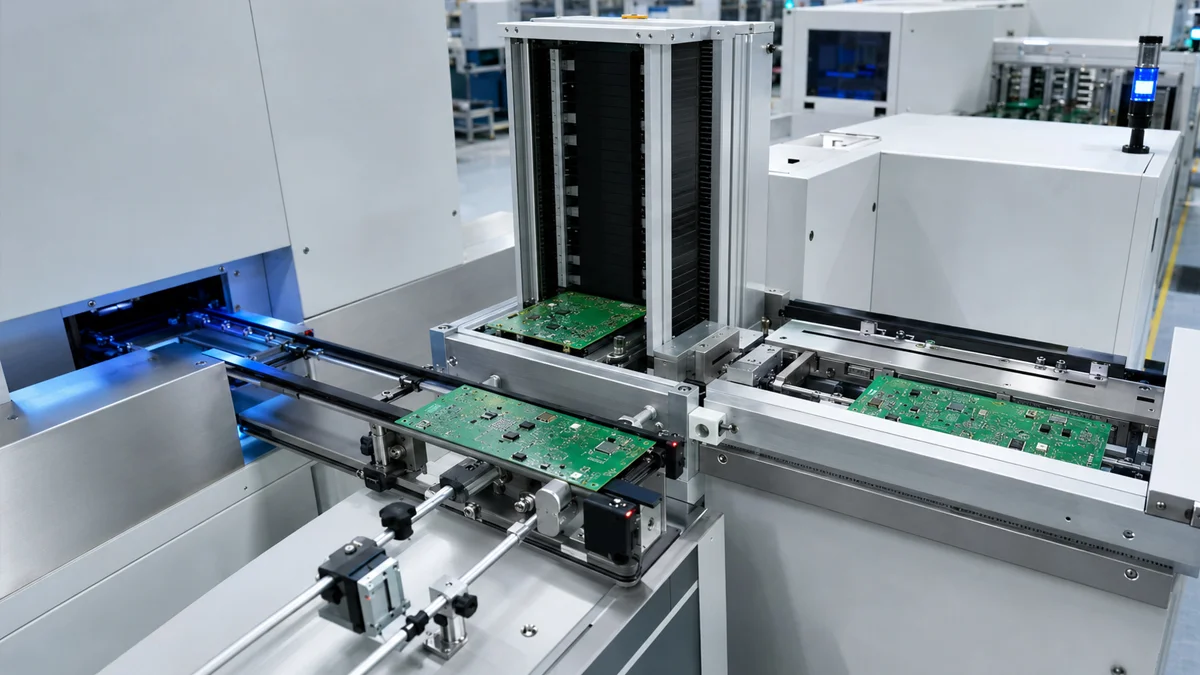
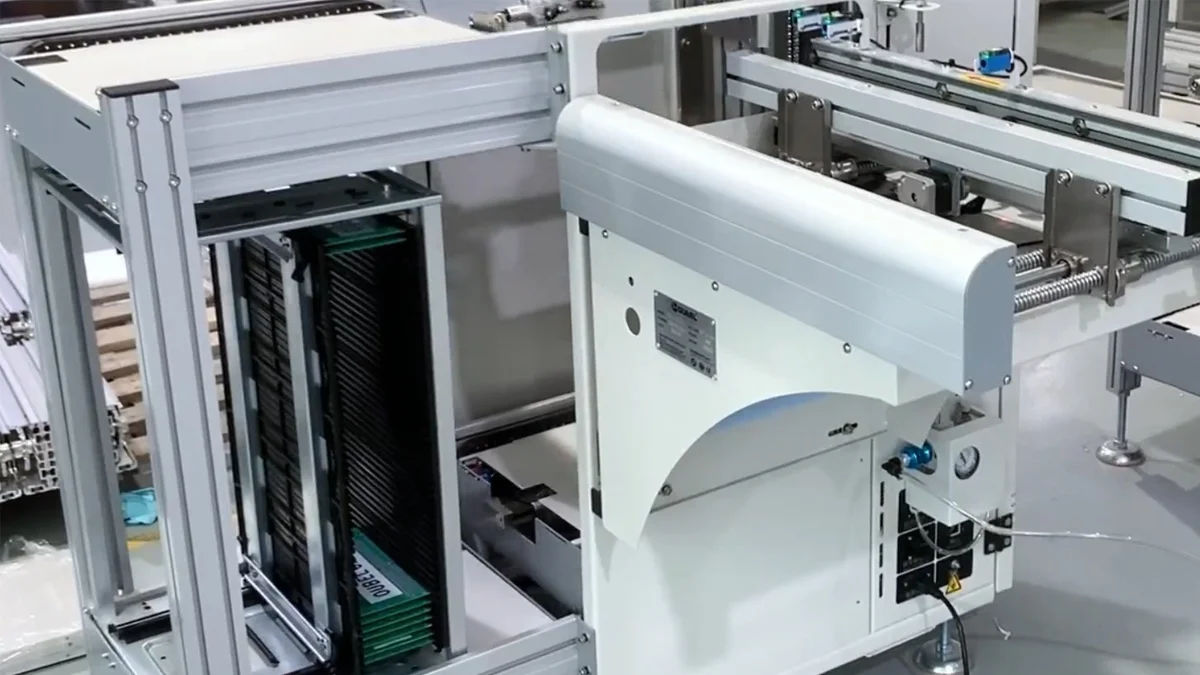
Loaders, unloaders, conveyors and buffers must match the PCB and connected production machines.
Confirm the PCB dimensions, thickness, weight, transfer height, direction, fixed edge, conveyor speed and required buffer quantity.
Communication requirements between machines must be defined before ordering. Do not assume that equipment can connect automatically because the conveyor heights are similar.
Include Stencil, Nozzle and Fixture Cleaning
Production tools affect printing, placement and soldering stability.
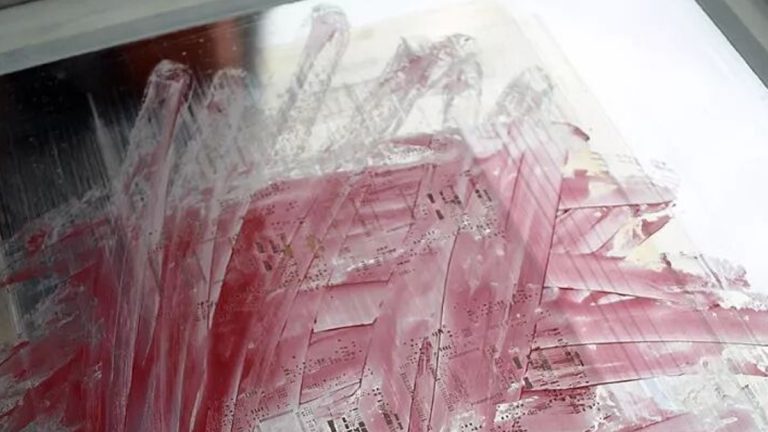
Use stencil cleaning equipment when solder paste or red glue blocks apertures. Use nozzle cleaning equipment when contamination reduces vacuum pickup. Use fixture cleaning equipment for soldering pallets, carriers, trays and squeegees.
Check Factory Utilities
Confirm the available electrical voltage, frequency, compressed-air pressure, exhaust, drainage, DI water and nitrogen before finalising the equipment.
Utility requirements vary by machine. Water-based cleaning equipment may need cleaning chemistry, DI water, drainage and exhaust. Selective soldering may require nitrogen. Reflow ovens require suitable power and exhaust capacity.
Utility changes discovered after delivery can delay installation and increase project cost.
Plan Maintenance Access
Filters, brushes, spray nozzles, solder nozzles, conveyor parts and other consumable components require inspection or replacement.
Check whether operators can access these components without removing unrelated assemblies. Confirm the recommended maintenance intervals, consumable specifications and spare-parts list before ordering.
Confirm Safety and Export Documents
Specify the installation country when requesting a quotation.
Electrical configuration, safety labels, manuals and product conformity documents must match the machine model and destination. CE, RoHS, EMC or other documents apply only to the equipment and scope identified in them.
Test Before Final Configuration
Customer samples can confirm whether the proposed cleaning, soldering or inspection process matches the required result.
For inline projects, confirm the PCB transfer direction, line height, fixed edge, cycle time and communication requirements before machine production.
Completed machines should undergo functional, utility, safety and configuration checks before shipment.
Final SMT Equipment Checklist
Before placing an order, confirm:
- PCB minimum and maximum dimensions
- PCB thickness, weight and component height
- Product mix and changeover frequency
- Required boards per hour
- Complete production process
- Cleaning, soldering and inspection requirements
- Conveyor height, direction and fixed edge
- Upstream and downstream equipment
- Electrical power and compressed air
- Water, drainage, exhaust and nitrogen
- Maintenance and spare-parts requirements
- Destination and conformity documentation
Request an SMT Equipment Recommendation
Send your PCB specifications, production process, required throughput and factory utilities. DEZ can review the line requirements and recommend the relevant cleaning, soldering, inspection, reflow and handling equipment.
Free sample testing is available for qualified projects.