Speak Directly With Our Equipment Team
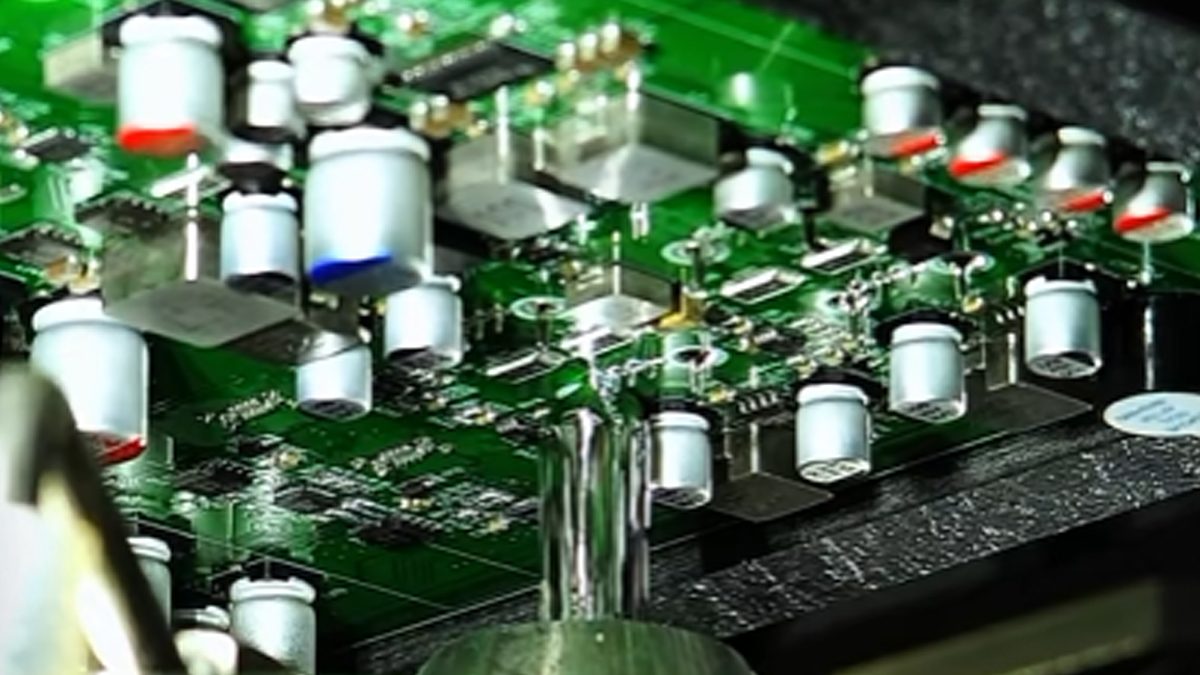
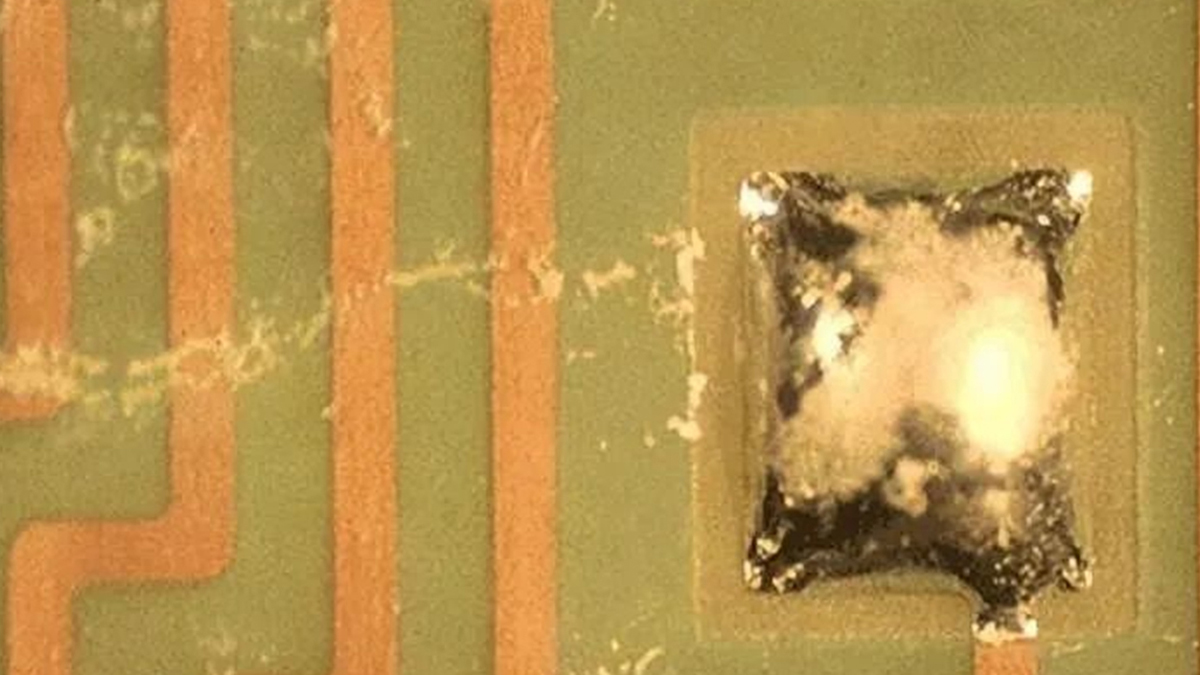
Flux residue is material remaining from soldering chemistry and may be visible on the assembly. Ionic contamination consists of electrically active soluble residues and may remain even when the PCBA appears clean.
No-clean flux is designed to remain under specified conditions, but it may still require removal when residue affects coating, inspection, electrical performance or product cleanliness.
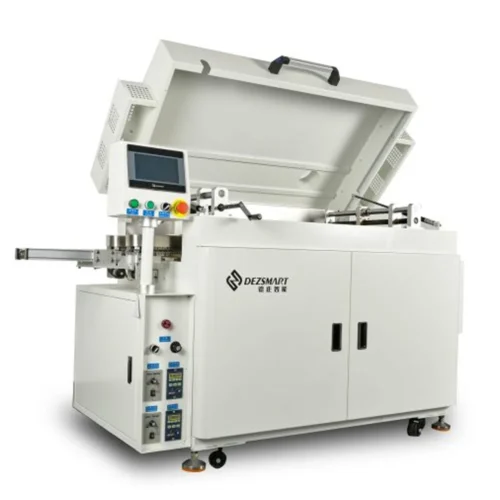
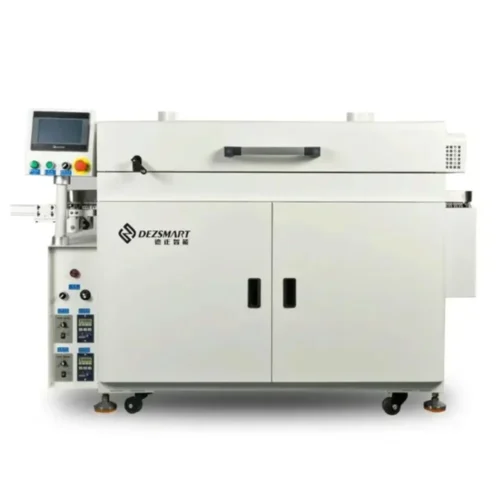
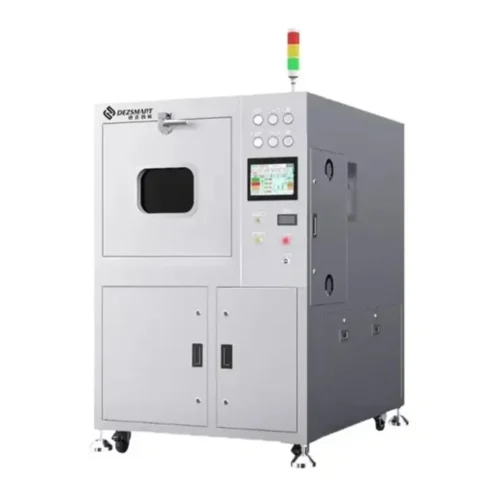
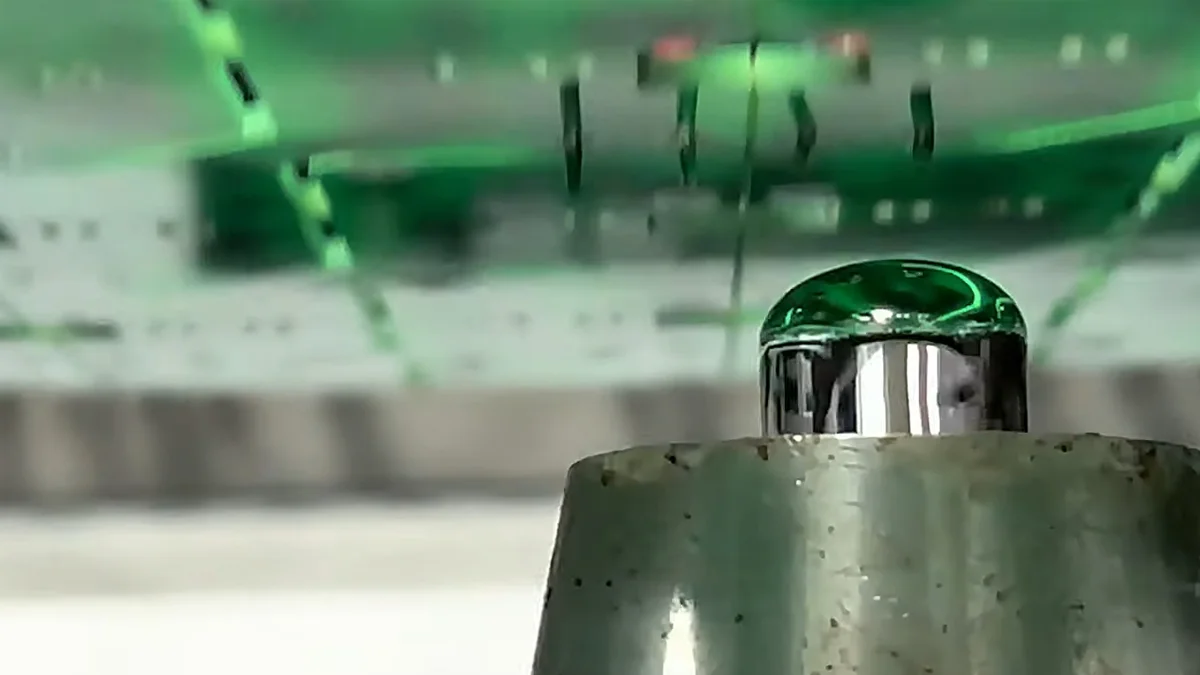
The DEZ-C758 cleans one accessible solder-side surface. Select a complete washing and rinsing process when residue must be removed from both sides or beneath components.
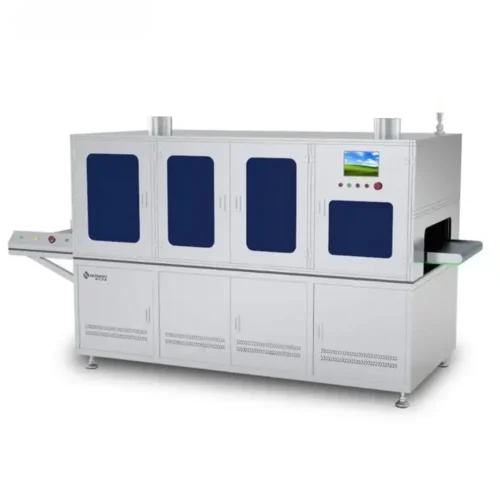
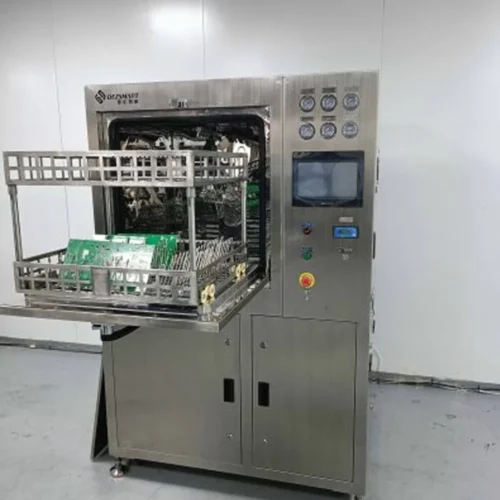
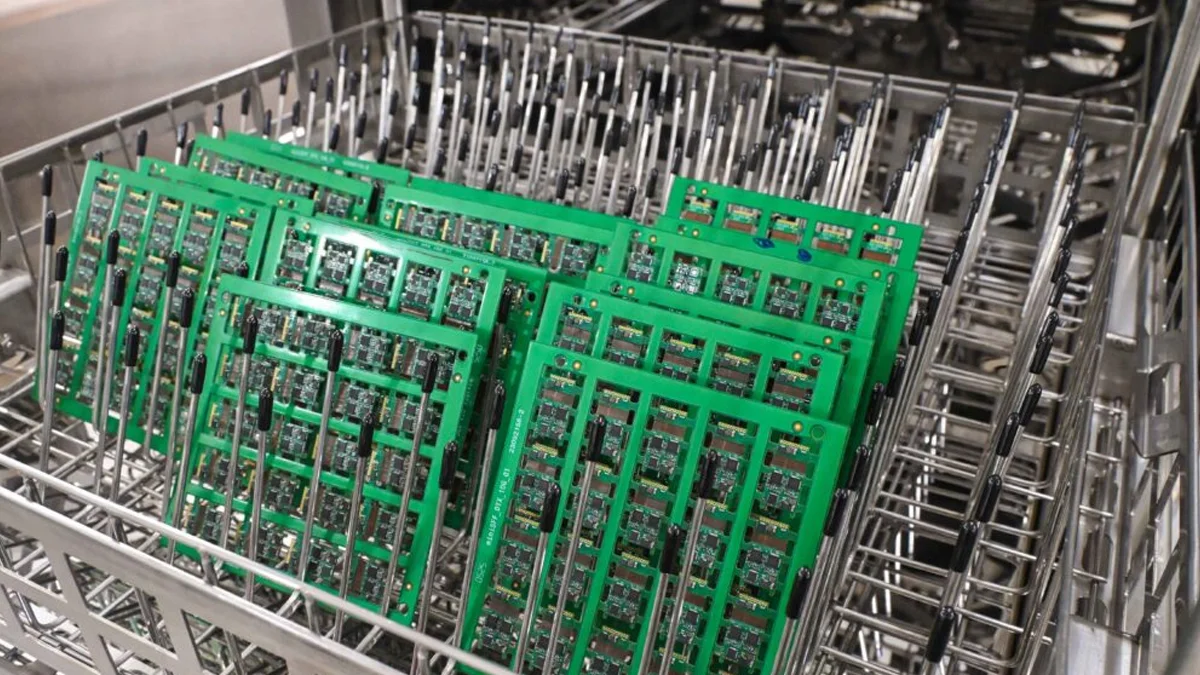
Select the DEZ-C743 for offline batch cleaning when several PCBA models are produced and changeovers are frequent.
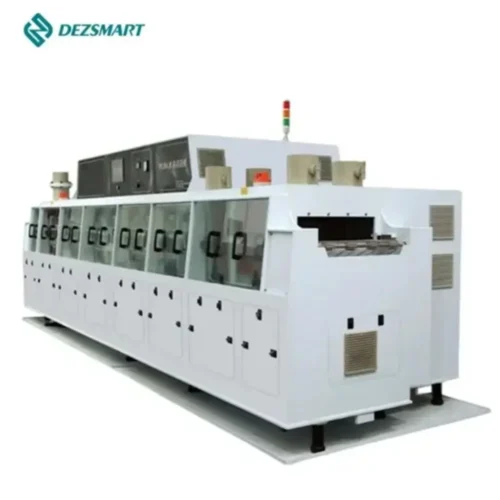
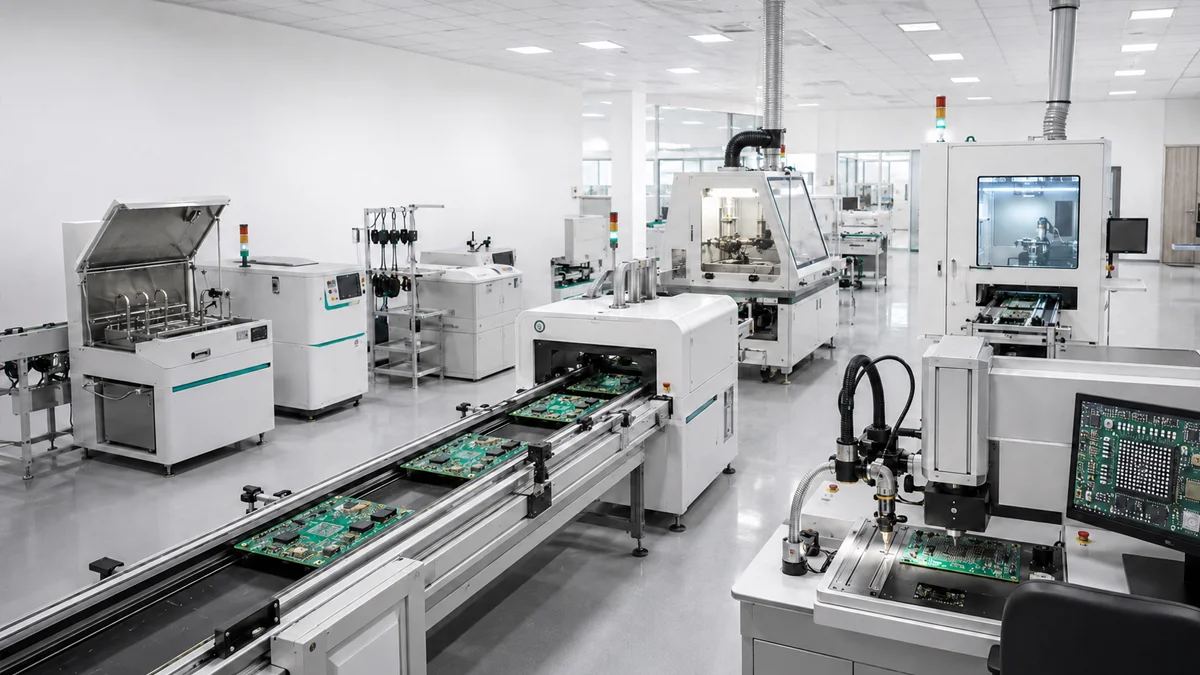
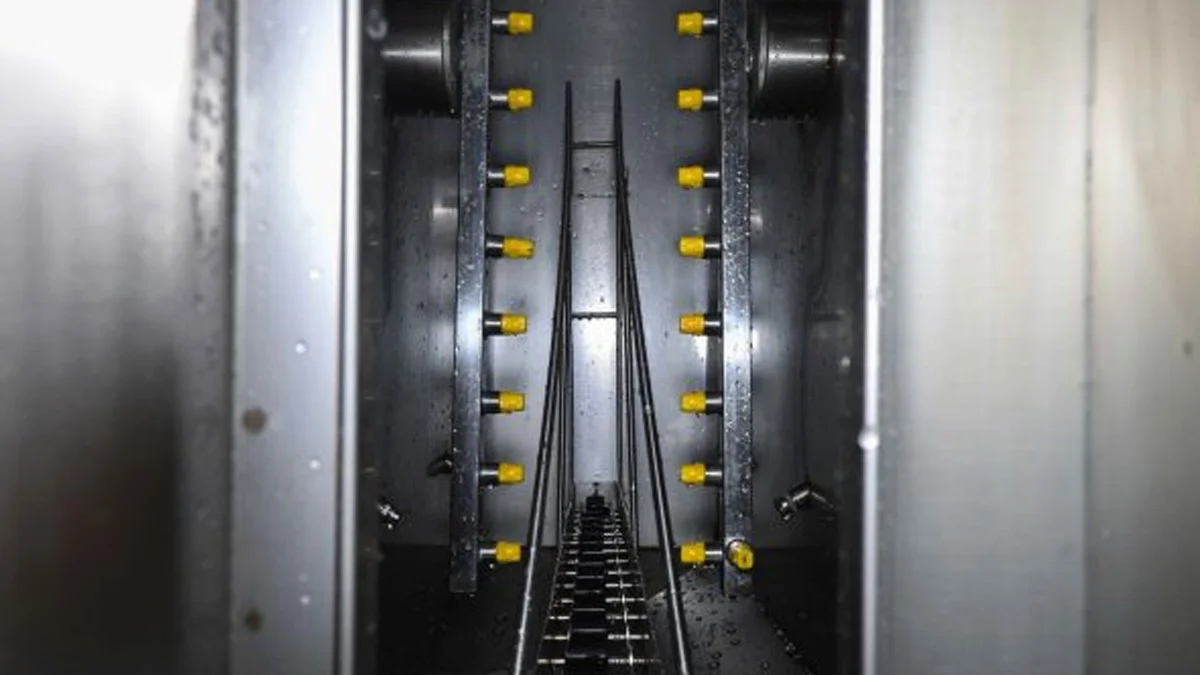
Select the DEZ-C1520 when PCB assemblies must pass continuously through washing, DI-water rinsing and drying.
No. Some residues require a compatible cleaning agent followed by DI-water rinsing. Flux and material compatibility must be confirmed before setting the process.
Yes, Cleaning depends on stand-off height, component layout, residue, chemistry and liquid access. Sample testing should be completed using the actual PCBA.

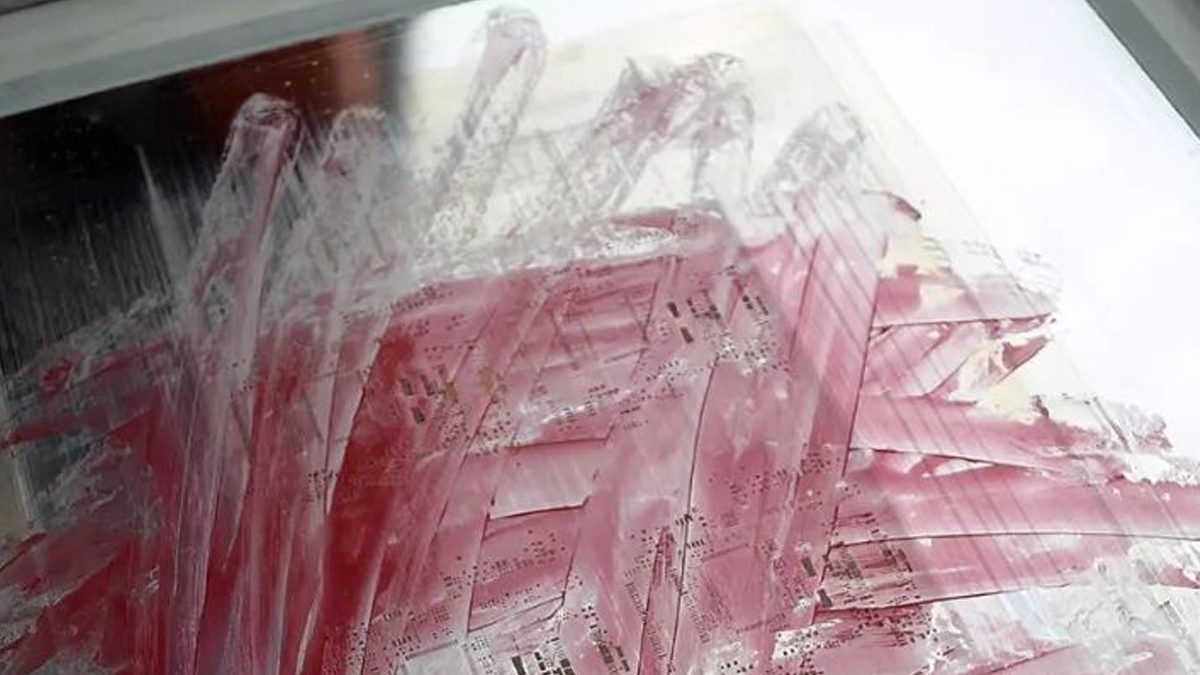
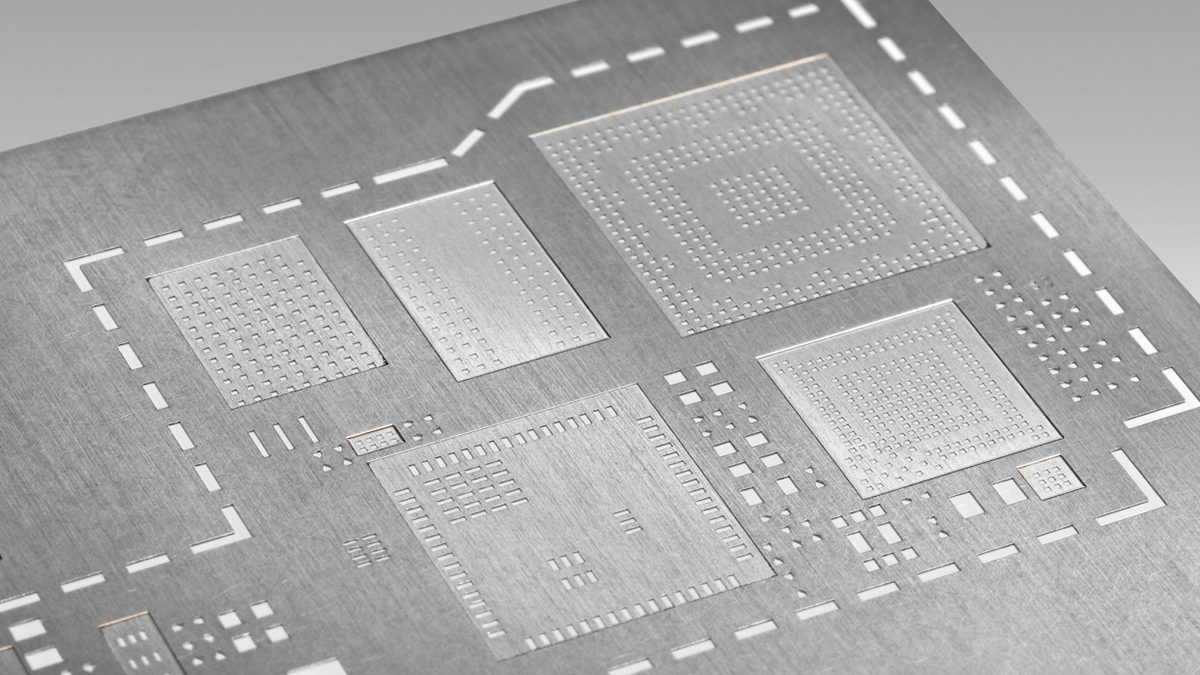
DEZ equipment also supports bare PCB surface cleaning, stencil cleaning, SMT nozzle cleaning, fixture cleaning, selective soldering, reflow soldering, X-ray inspection, BGA rework and SMT line handling.
Explore all applications to find equipment according to the production stage, assembly type and manufacturing problem.
Send us the PCBA dimensions, soldering method, flux information, component layout, contaminated areas, production volume and required cleaning result.
PCBAs containing actual post-solder residue can be tested before machine selection. DEZ will evaluate whether the application requires single-sided cleaning, offline batch cleaning or continuous inline cleaning.
We share our SMT manufacturing expertise to help you optimize soldering, PCBA cleaning, inspection, and production efficiency.