Speak Directly With Our Equipment Team
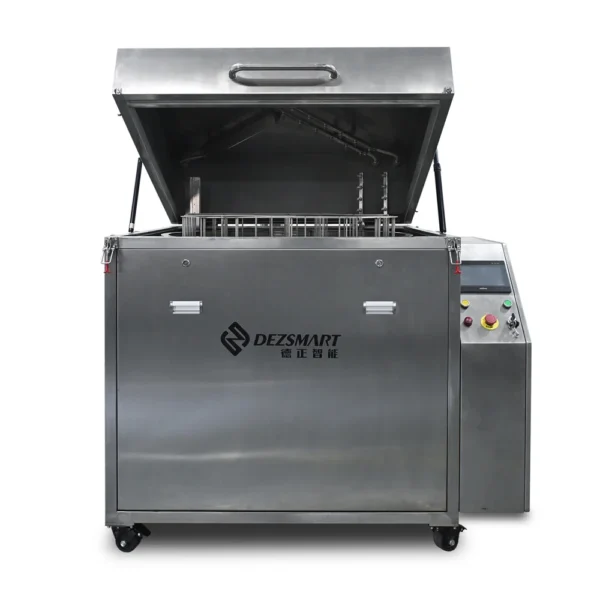
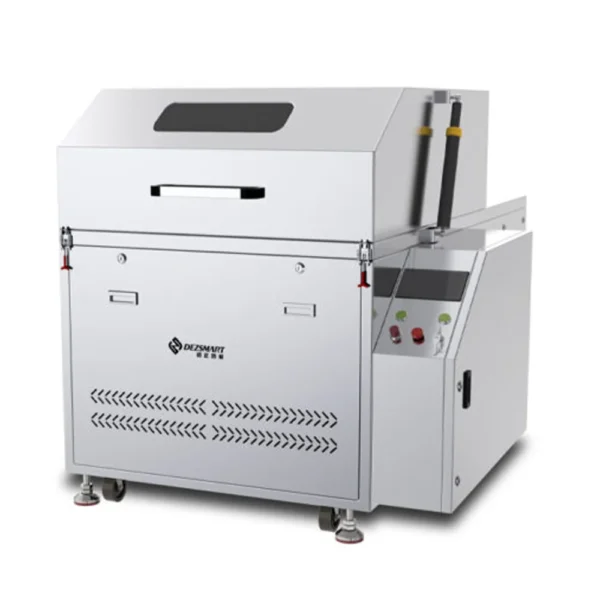
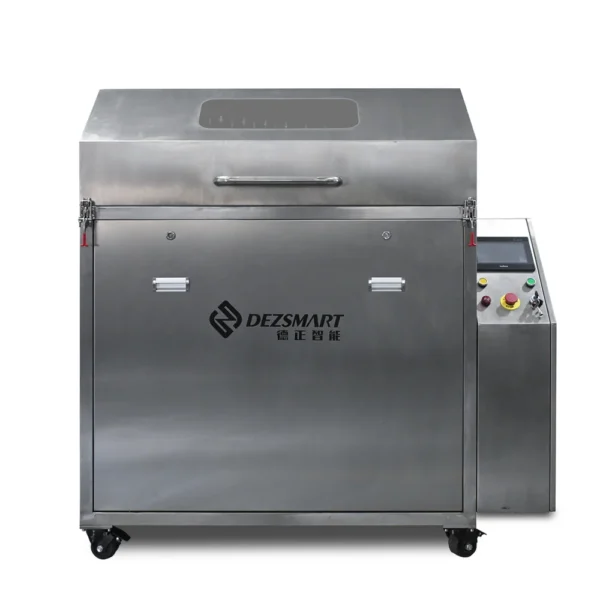
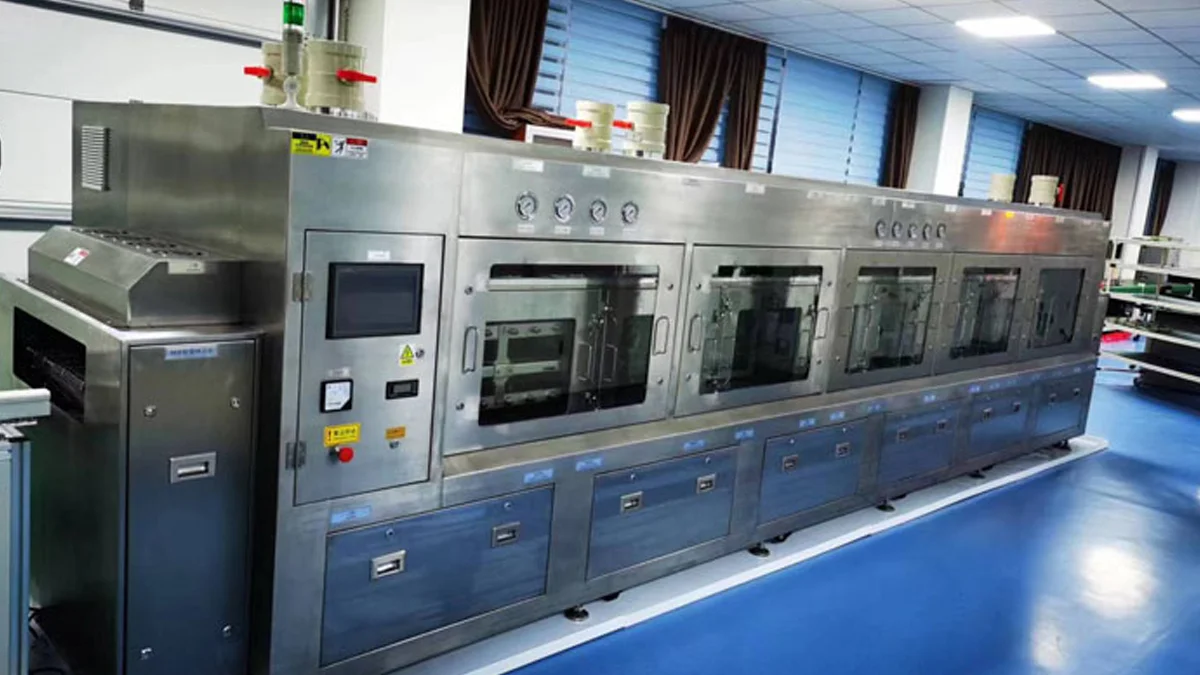
The DEZ-C756 removes flux, solder paste, adhesive, oil and dust from wave solder pallets, reflow trays, PCB carriers, SMT squeegees and compatible machine parts.
Contaminated fixtures can block soldering openings, affect PCB positioning and transfer old residue back onto the next product. Solder paste left on squeegees can dry around the blade and holder, making changeovers and later cleaning more difficult.
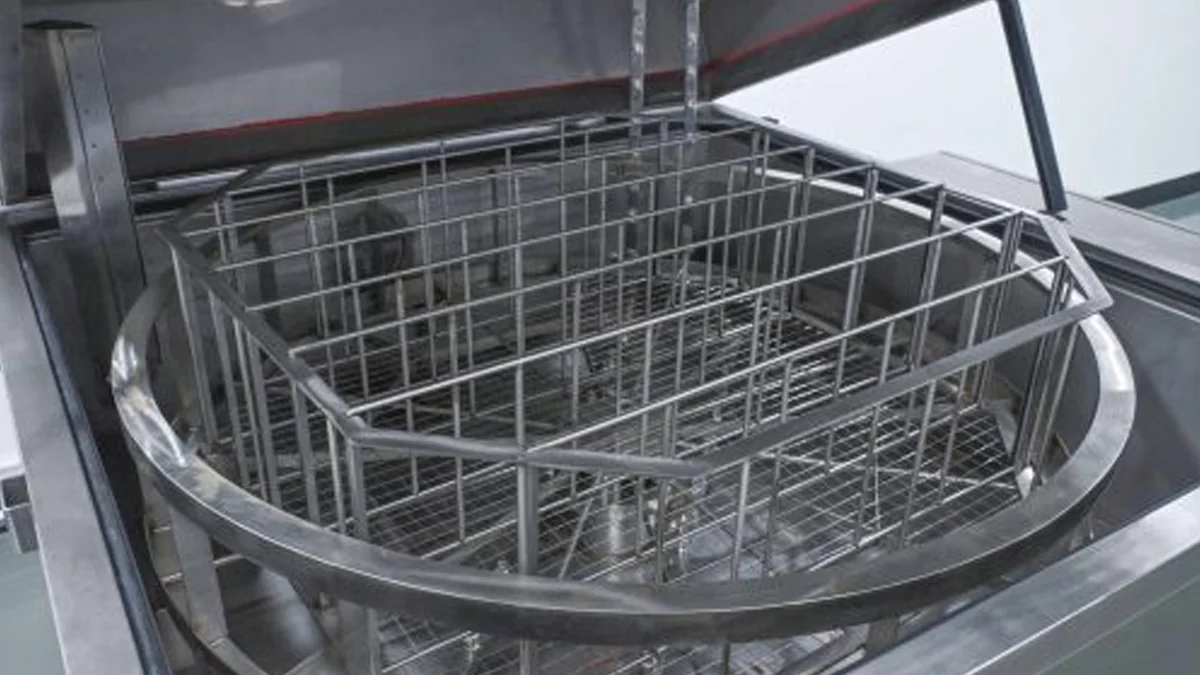
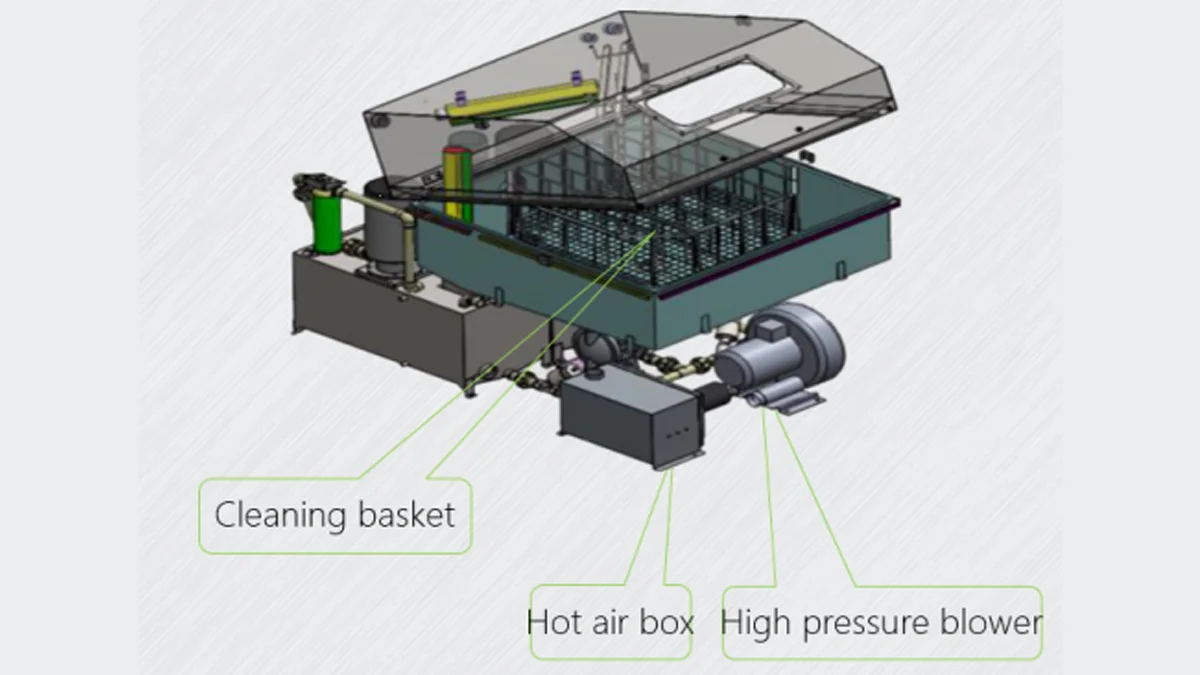
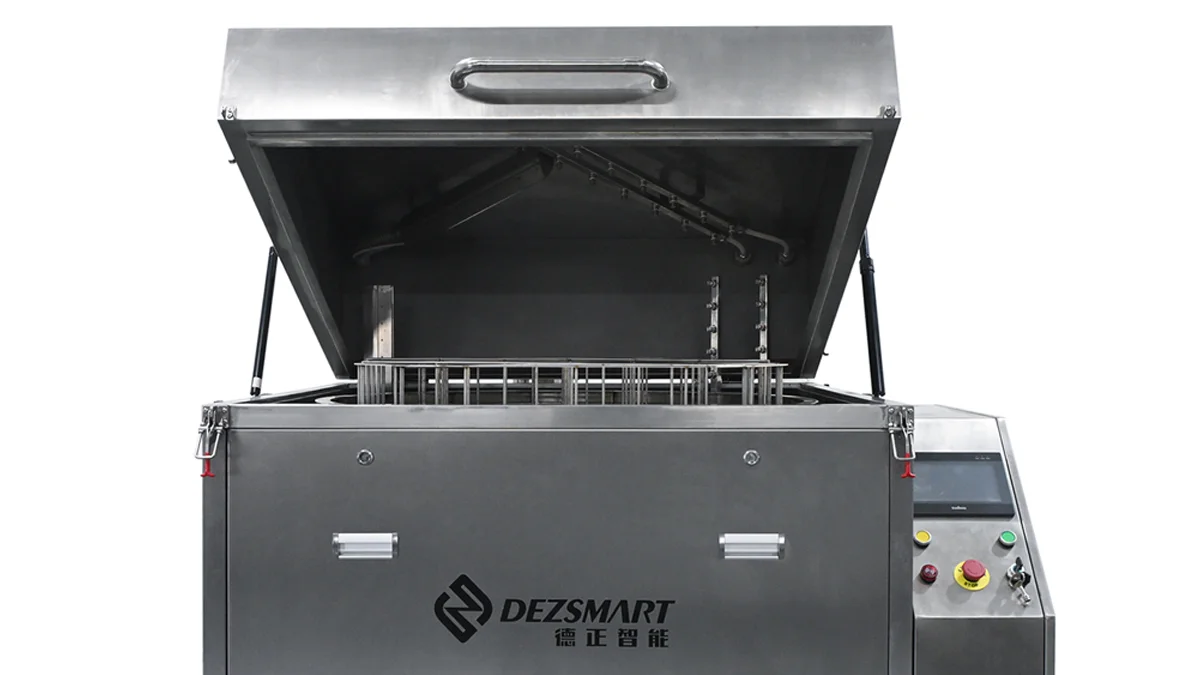
The C756 completes spray washing, rinsing, air cutting and hot-air drying inside one chamber. Its rotating basket has a diameter of 1000 mm, accepts workpieces up to 480 mm high and supports a total load of 100 kg.
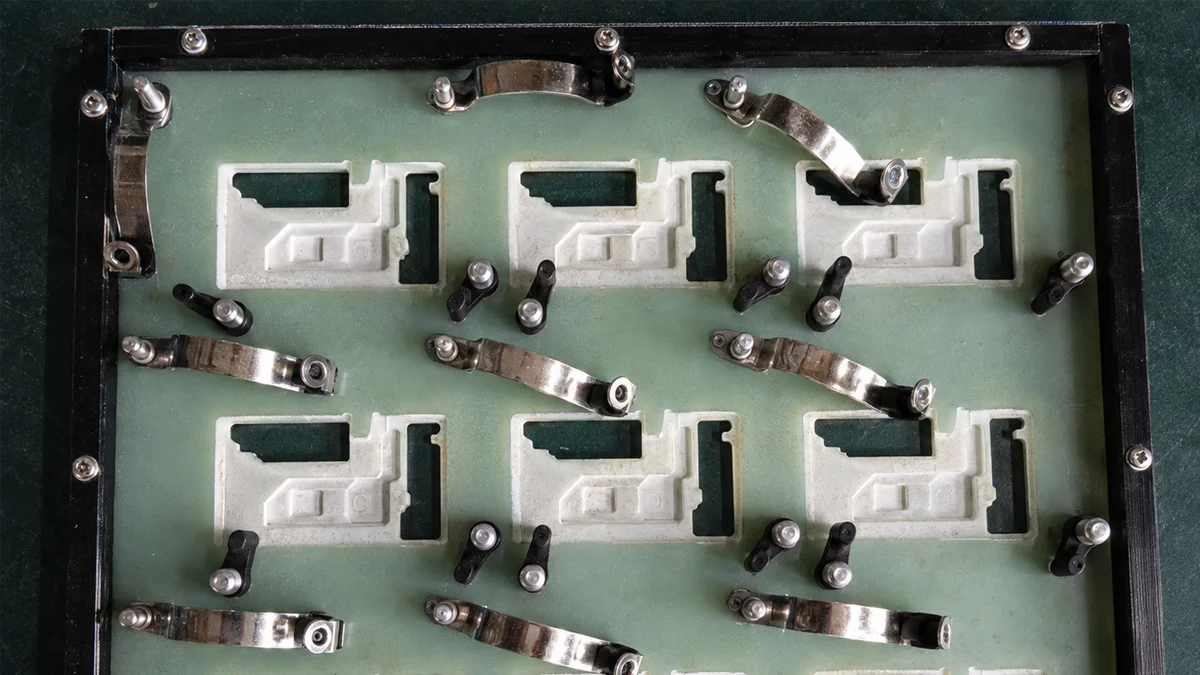
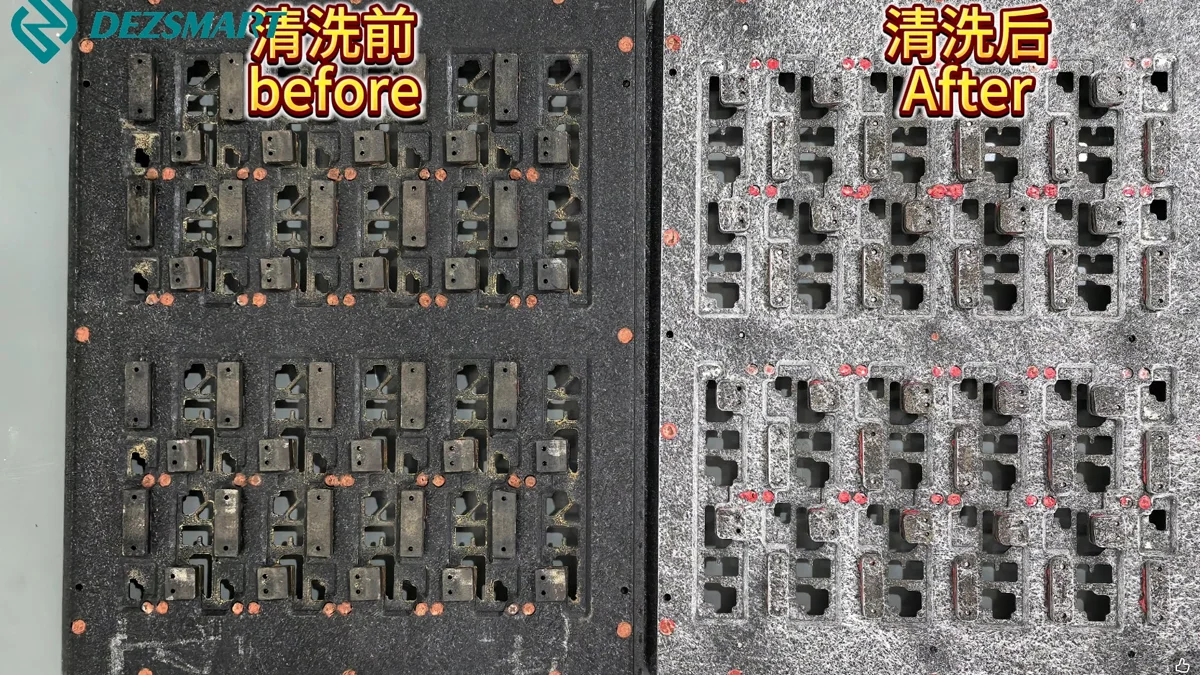
Wave solder pallets repeatedly pass through fluxing and soldering processes. Flux gradually builds up around openings, clamps and PCB support areas. When the deposits become thick, the PCB may not sit correctly and protected soldering areas may become restricted.
Reflow trays and PCB carriers collect solder paste, oil and process residue around locating points. This contamination can affect component or PCB positioning and may be carried into the next production batch.
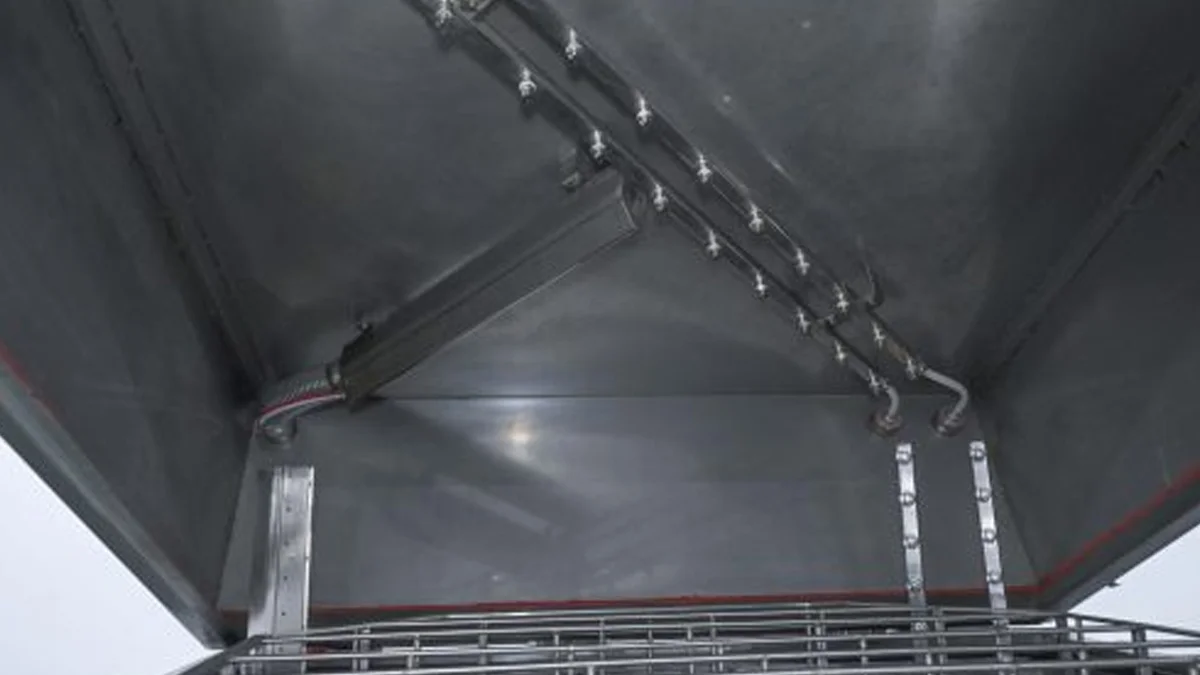
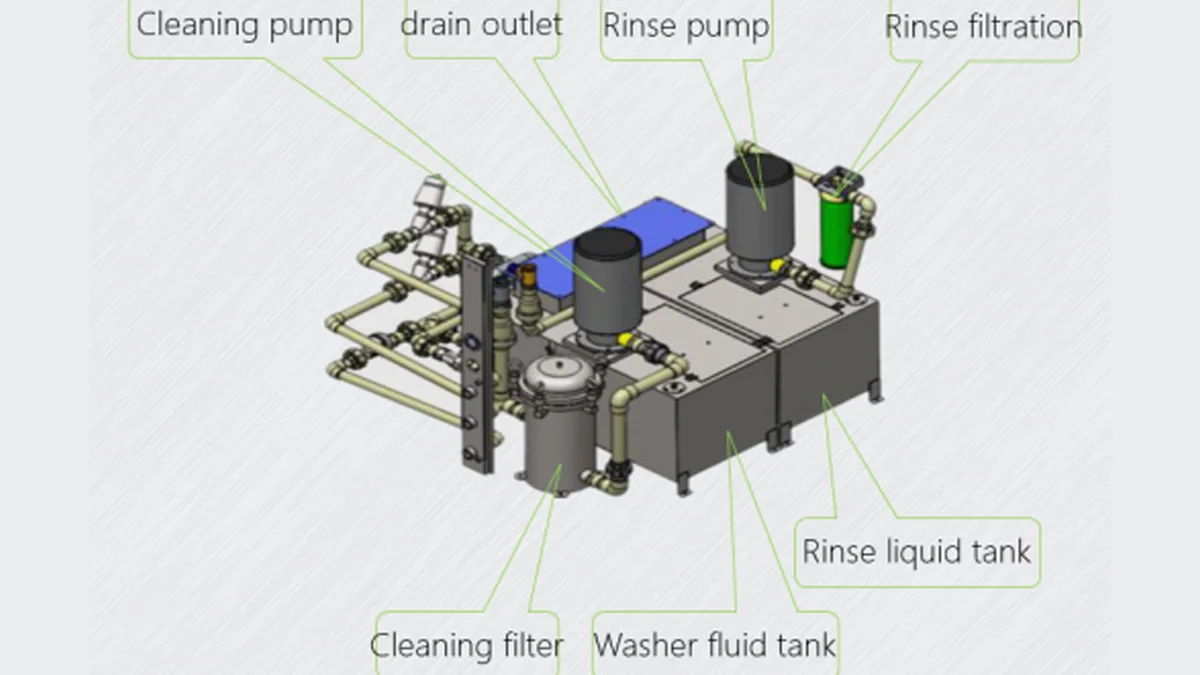
The DEZ-C756 sprays heated water-based cleaning liquid from multiple directions while the basket rotates. After the contamination is removed, a separate rinse removes remaining detergent, followed by air cutting and hot-air drying.
The operator places the fixtures, carriers, trays or squeegees inside the rotating basket. Lightweight parts and squeegees must be secured to prevent movement or collision. The total load must be balanced and must not exceed 100 kg.
After loading, the DEZ-C756 automatically completes spray cleaning, pure-water rinsing, air cutting and hot-air drying. The automatic processing time is approximately 13–38 minutes, excluding manual loading and unloading.
| Process | Function | Time | Detergent | Temperature |
|---|---|---|---|---|
| Manual loading | — | — | — | — |
| Spray cleaning | Cleaning | 5–15 min | Water-based cleaning agents | 40–60°C |
| Spray rinsing | Rinsing | 3–8 min | Pure water | 40–60°C |
| Hot air cut drying | Drying | 5–15 min | Hot air | 60–80°C |
| Manual unload | — | — | — | — |
| Specification | DEZ-C756 |
|---|---|
| Machine Dimensions | 1800 × 1550 × 1500 mm |
| Cleaning Basket | Ø1000 mm rotating basket |
| Maximum Workpiece Height | 480 mm |
| Maximum Basket Load | 100 kg |
| Cleaning Process | Spray washing, rinsing, air cutting and hot-air drying |
| Spray Pressure | 3–6 kgf/cm² |
| Air Supply | 0.4–0.6 MPa |
| Water Supply | 0.1–0.3 MPa |
| Liquid Tank Capacity | 60 L |
| Power Supply | 380 V, 50 Hz, three-phase five-wire |
| Maximum Power | 27 kW |
| Exhaust Port | Ø125 mm |
| Machine Structure | Stainless steel |
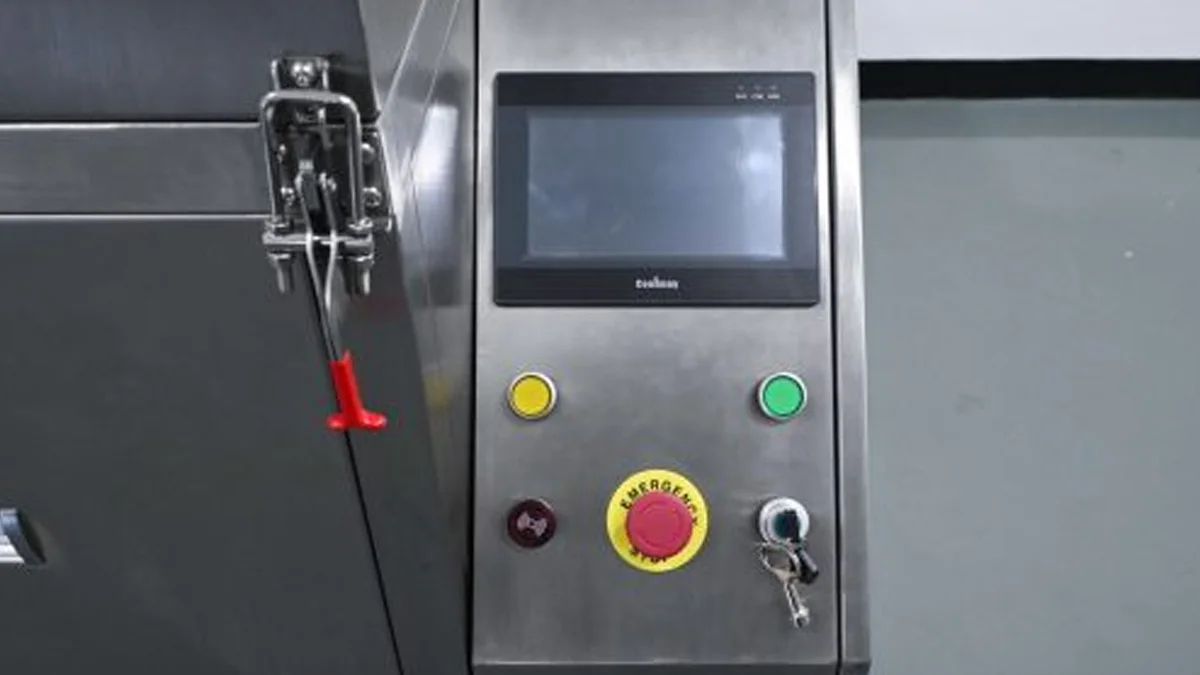
| Control Method | Touchscreen control |
We have worked with


Provide the maximum workpiece diameter, height, individual weight, total batch weight, material, coating and contamination type before confirming the machine.
For squeegees, provide the total length, blade material, holder construction and solder paste or adhesive type. Polyurethane blades and bonded assemblies require chemical and temperature compatibility testing.
Sample cleaning can confirm the detergent, spray pressure, loading method, washing time, rinsing result and drying condition.
Yes. It can clean compatible solder paste and adhesive residue from squeegee blades, holders and assemblies. The squeegees must be secured to prevent movement or collision.
Only when the cleaning chemistry is suitable for both contamination types. Heavily flux-contaminated pallets should normally be separated from precision squeegees to avoid cross-contamination.
The holder may create a spray shadow, or the squeegees may be loaded too closely. Increase the spacing, change the loading angle and confirm that the detergent is suitable for the solder paste.
Carbonised flux may require adjusted detergent concentration or a longer washing cycle.
Deep holes, hollow sections and overlapping parts can trap water. Improve the loading angle, increase spacing and check the air supply, heater and exhaust airflow.
Check the filter, nozzles, liquid level and pump inlet. Accumulated flux or solder paste can restrict liquid flow.
Yes, when the detergent is compatible with aluminium and any surface coating. Sample testing should check for corrosion, discolouration or surface changes.
Yes, many synthetic-stone pallets can be cleaned, but their chemical and temperature resistance varies. Confirm compatibility before batch processing.
The detergent may not be suitable for spray cleaning, or its concentration may be too high. Use a low-foam water-based cleaner and prevent other chemicals from entering the tank.
The basket supports up to 100 kg, but the load must also be balanced. A concentrated load on one side can affect rotation and cleaning coverage.
It is not recommended as a substitute for a PCBA cleaning machine. Populated boards have different material, cleanliness and drying requirements.
The installation requires 380 V three-phase power, 0.4–0.6 MPa compressed air, 0.1–0.3 MPa water supply, drainage and a Ø125 mm exhaust connection.
Send the fixture or squeegee dimensions, material, batch weight and contamination samples. DEZ can arrange sample cleaning and confirm the detergent, loading method and process settings before machine configuration.
Contact DEZ for PCBA cleaning machine, selective soldering machine, stencil cleaning machines, X-ray inspection, BGA rework, reflow ovens and SMT handling equipment.
Send your workpiece dimensions, production problem and required throughput to receive a free application review, equipment recommendation and project quotation. Free sample testing is available for qualified projects.
An equipment specialist will contact you within one hour during business hours.
Get a Free Recommendation and Request Sample Testing
Email: [email protected]
Phone: +86 138 2338 9052