Speak Directly With Our Equipment Team
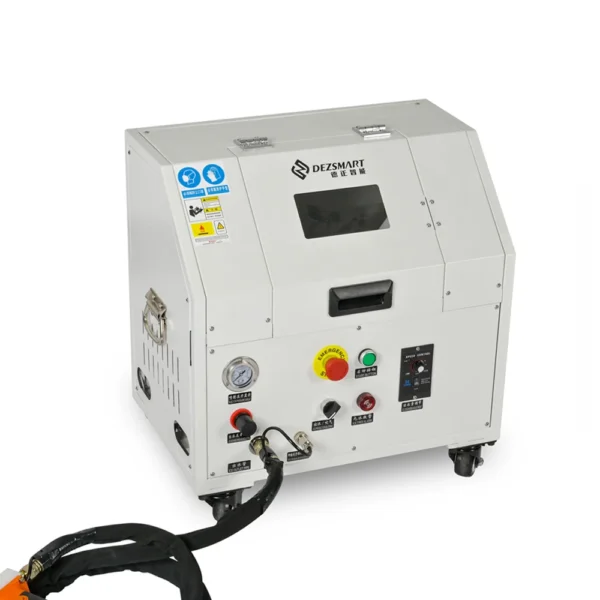
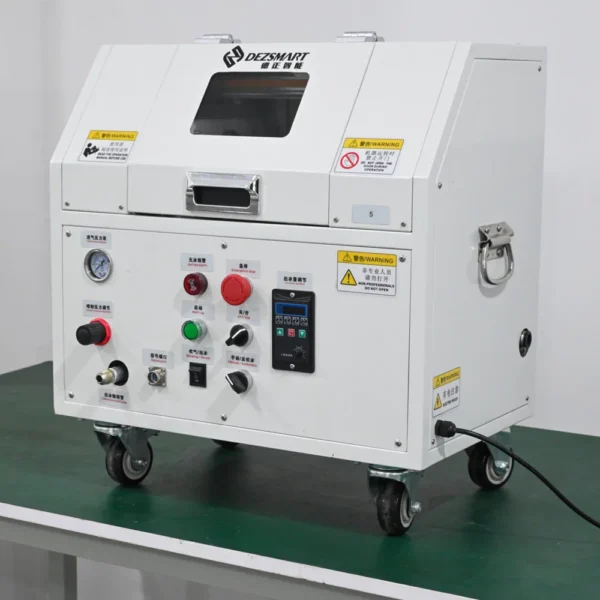
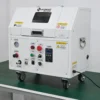
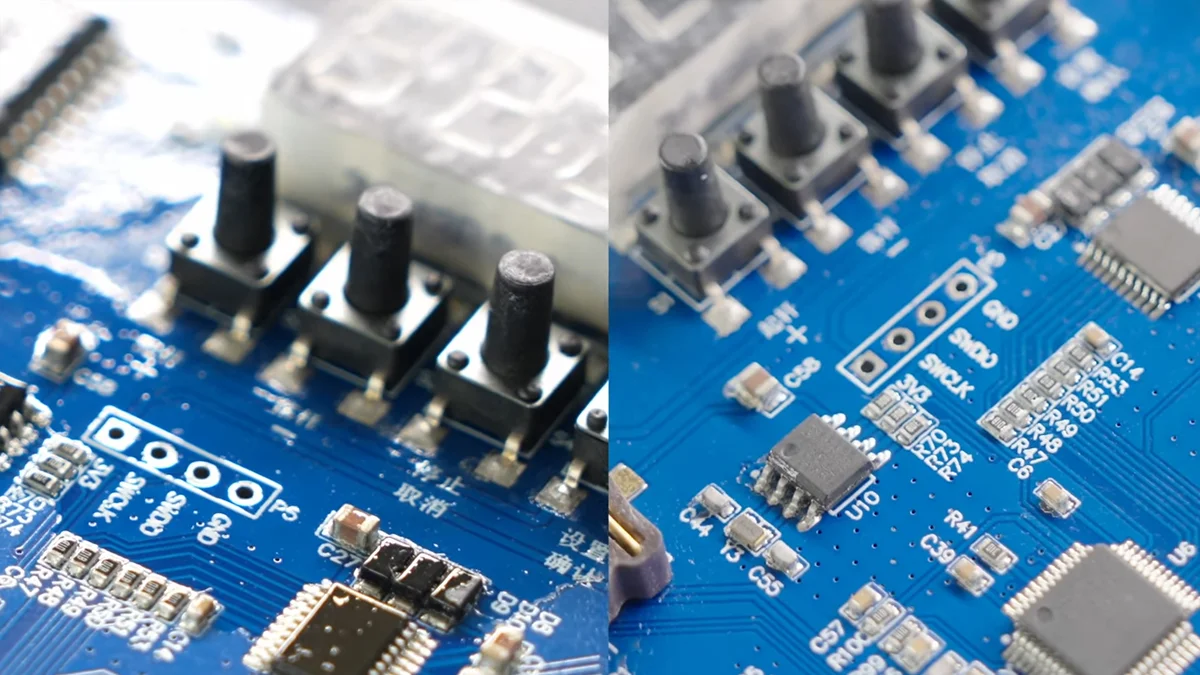
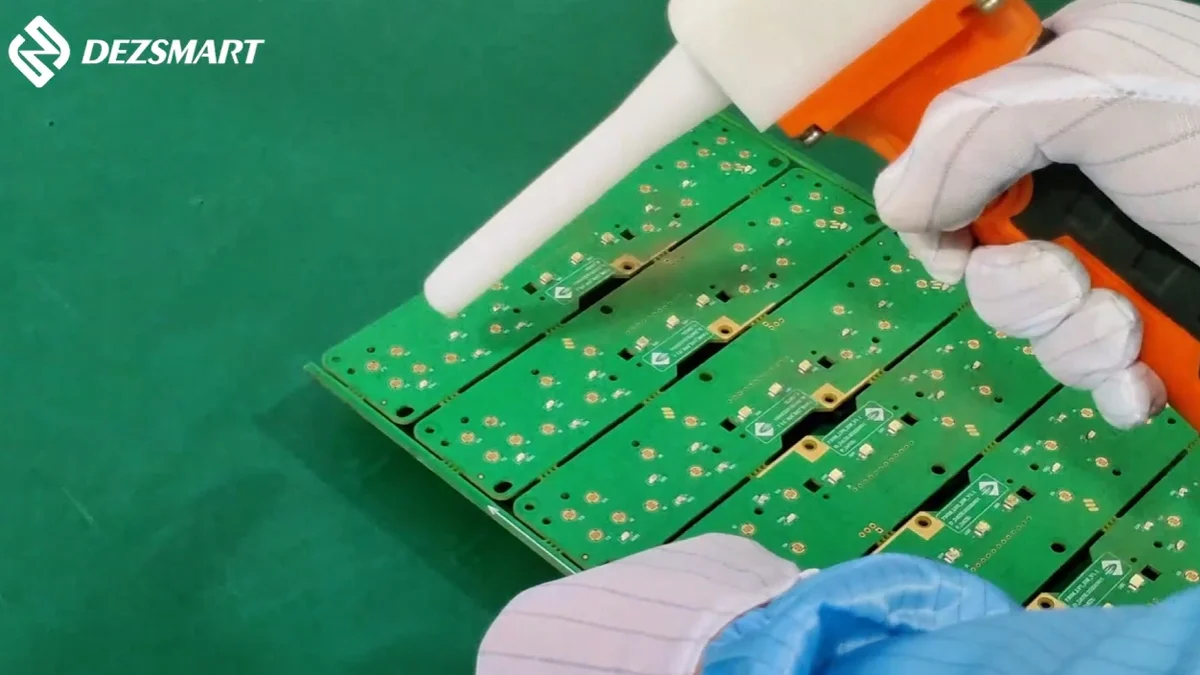
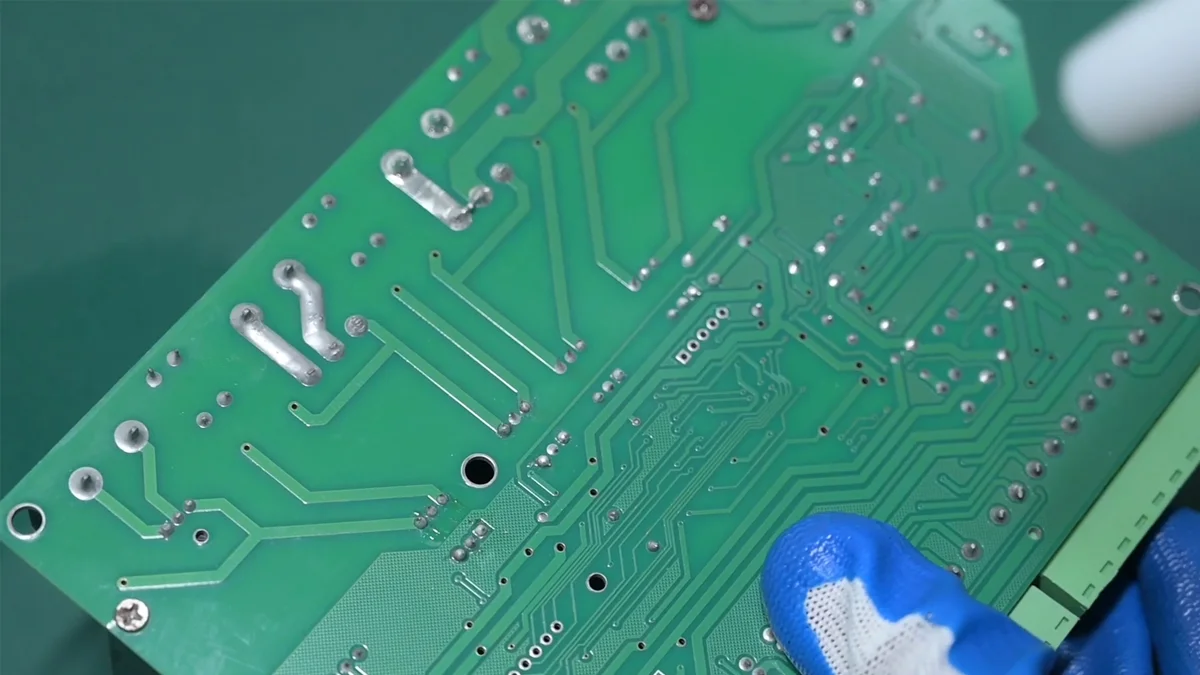
The DEZ-C1650 Portable Dry Ice Cleaning Machine removes flux, resin, release agents, oil, grease, carbon deposits and production residue from electronic assemblies, moulds, fixtures and industrial parts.
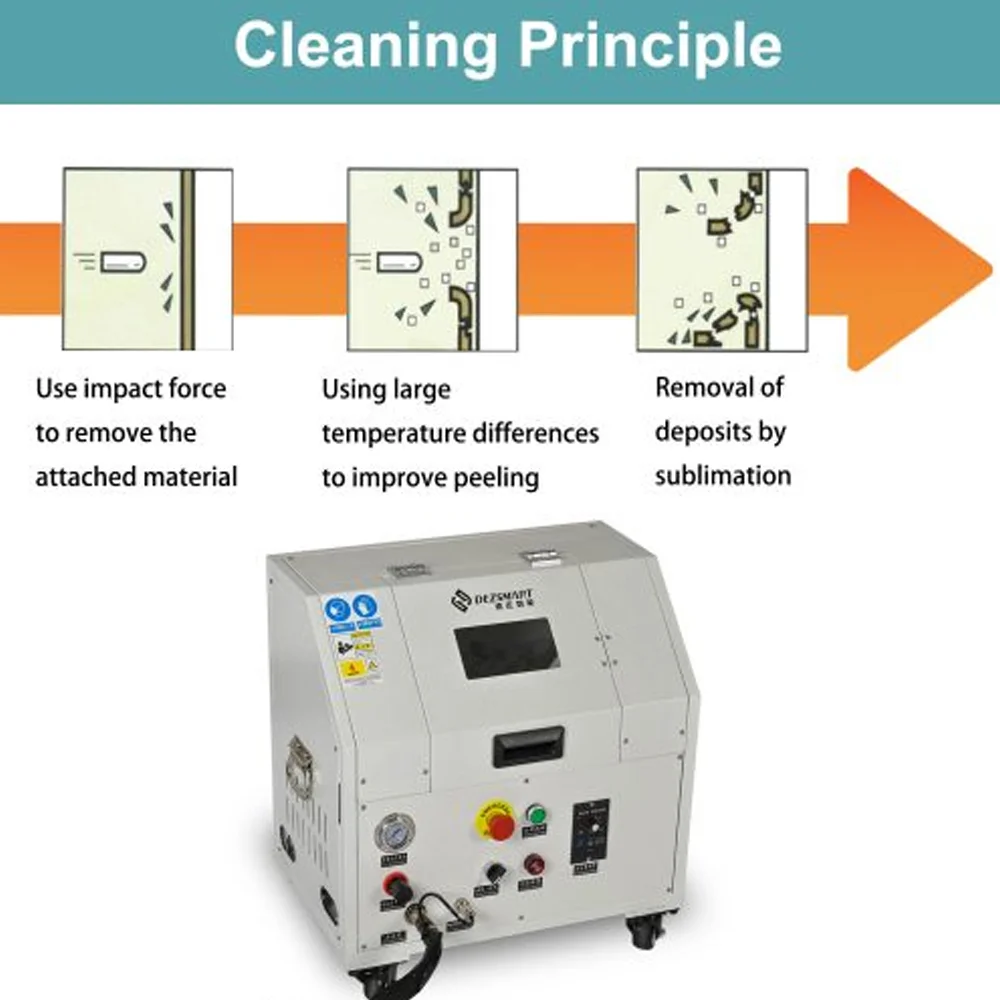
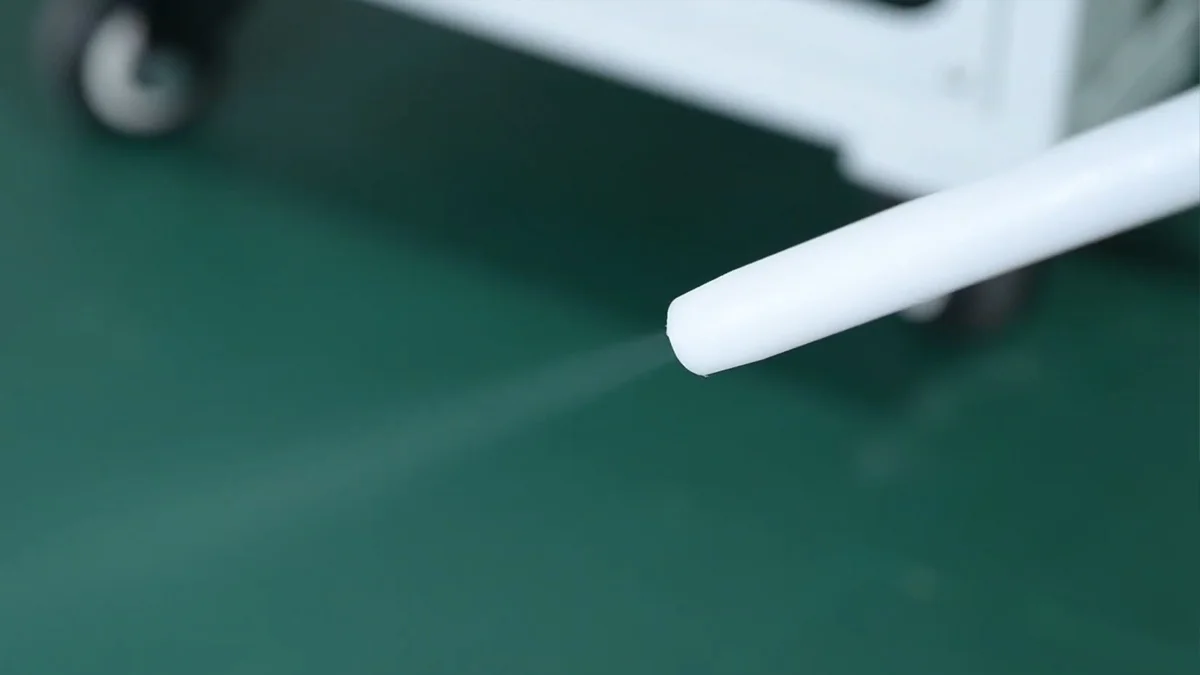
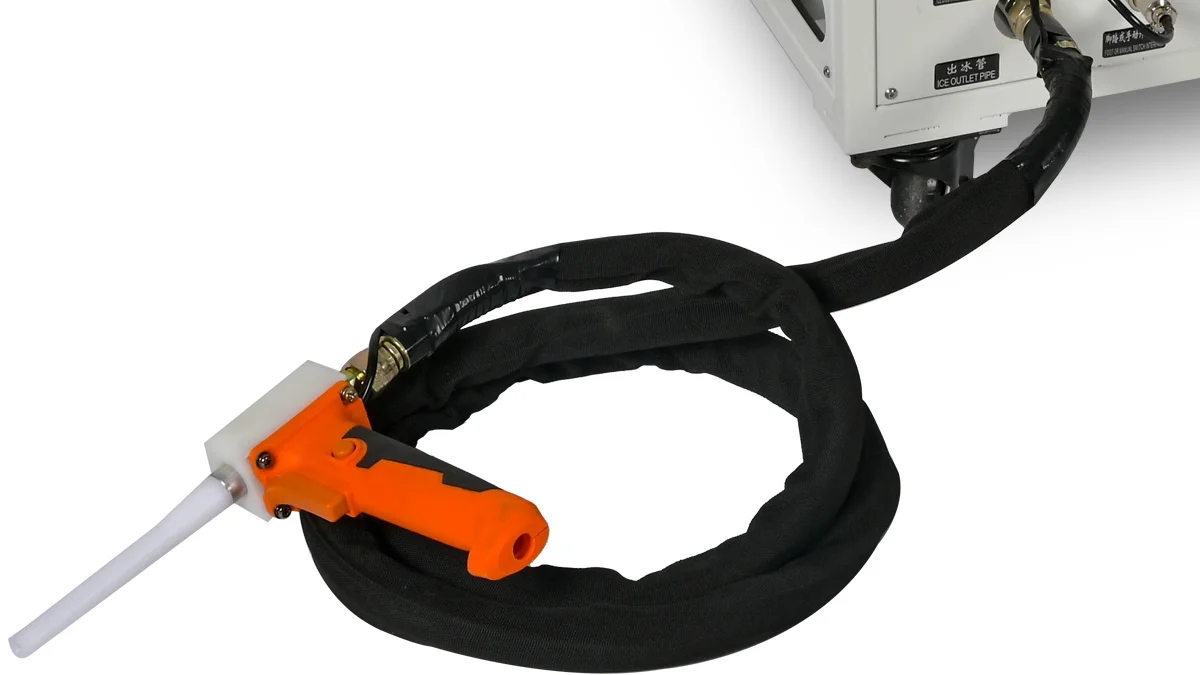
Compressed air accelerates dry ice particles through a handheld cleaning gun. Impact, low temperature and sublimation separate contamination from the surface without leaving dry ice media on the cleaned workpiece.
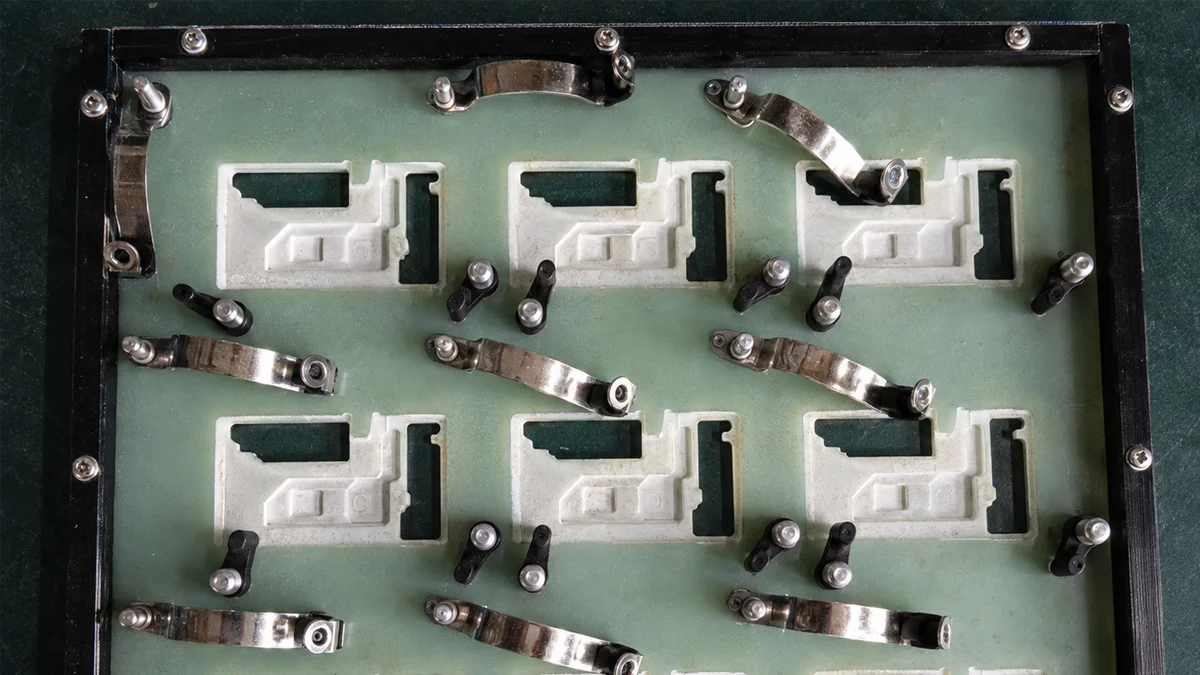
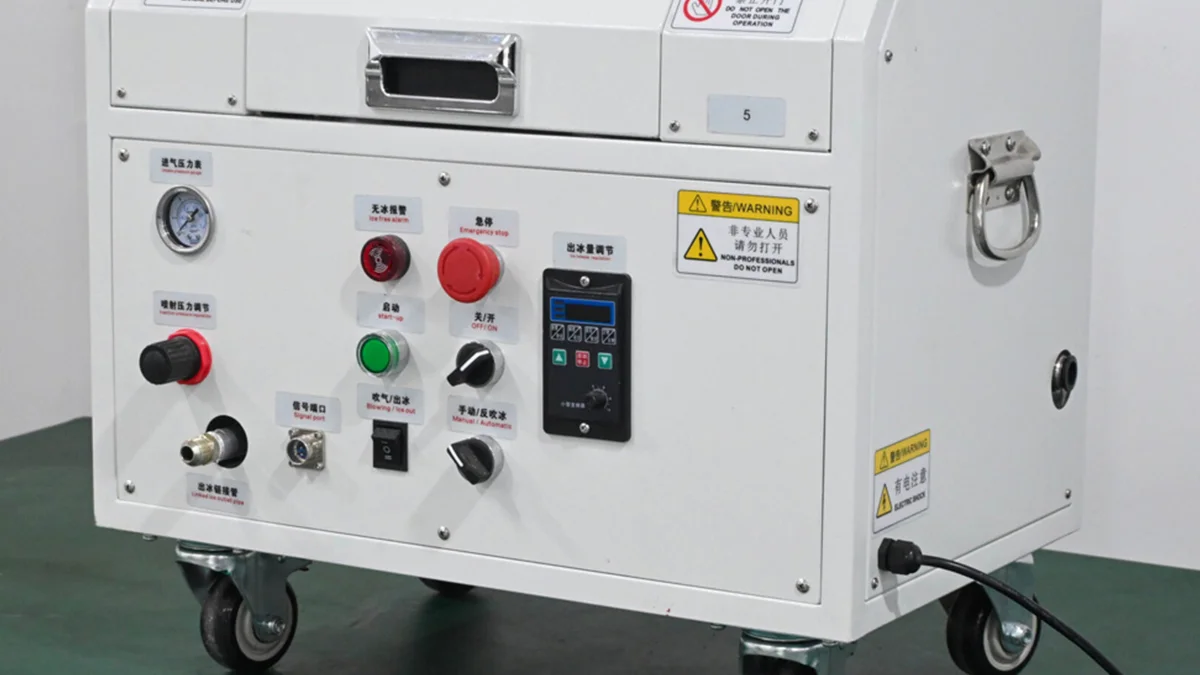
The compact 50 kg machine can be moved to the equipment or workpiece, allowing moulds, production fixtures and machine parts to be cleaned without transferring them to a fixed cleaning chamber.
Large moulds, engines, production equipment and installed fixtures can be difficult to move into a cleaning chamber. Manual scraping also takes time and may not reach detailed surfaces.
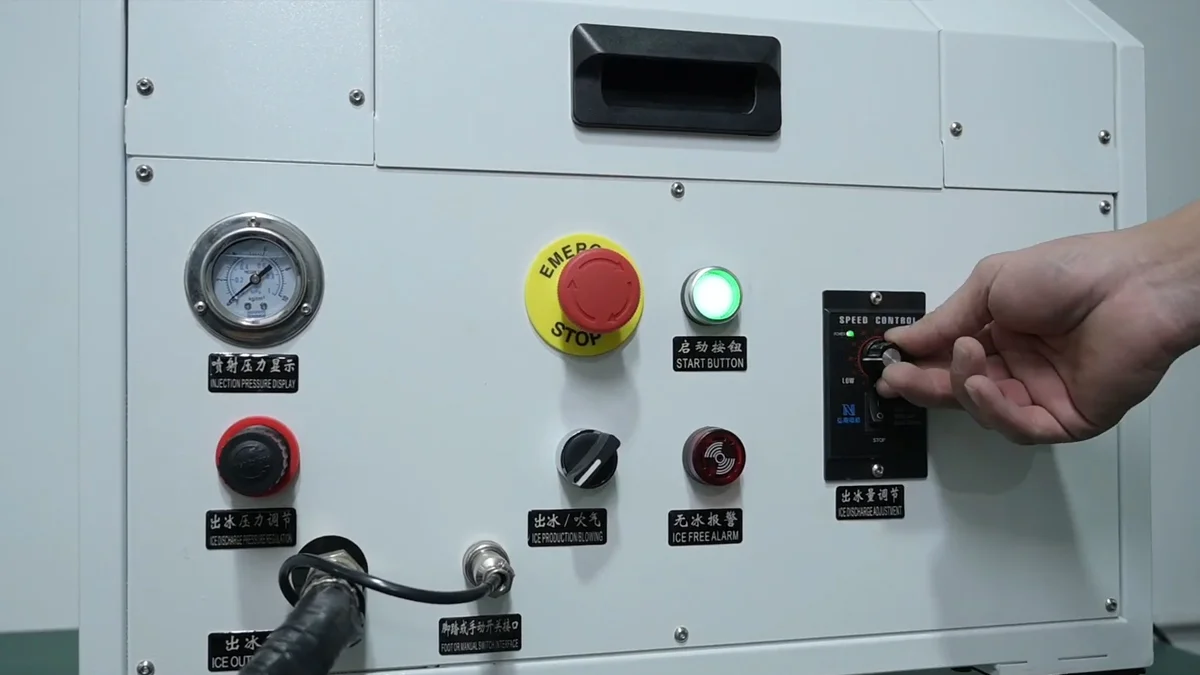
The DEZ-C1650 brings the cleaning gun directly to the contaminated area. The operator adjusts the dry ice output, air pressure, nozzle and working distance according to the surface and residue.
After cleaning, the dry ice sublimates and the workpiece can move directly to inspection, assembly or production. The process does not require detergent tanks, rinsing equipment or hot-air drying.

Dry ice cleaning combines particle impact, low-temperature separation and sublimation. Compressed air accelerates dry ice particles through the cleaning nozzle. When the particles strike the contaminated surface, the impact and rapid temperature change weaken the bond between the residue and the workpiece.
The dry ice then changes directly from solid to gas, helping lift the contamination away without leaving water or blasting media on the surface.
| Process | Function | Result |
|---|---|---|
| Equipment Setup | Connect power and compressed air | Machine ready for operation |
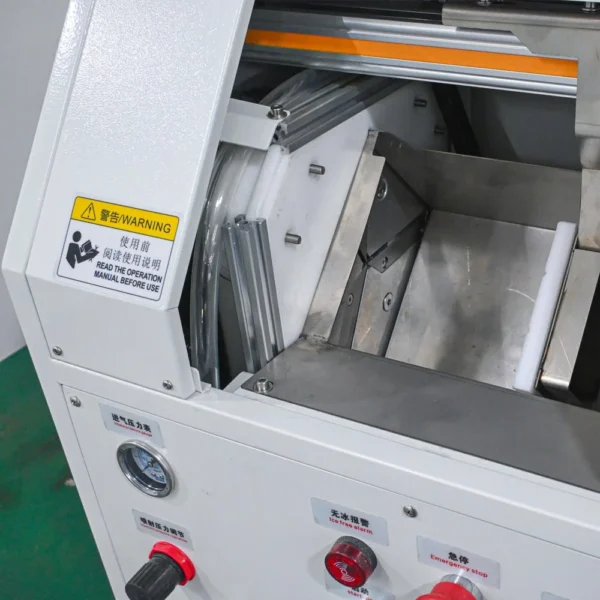
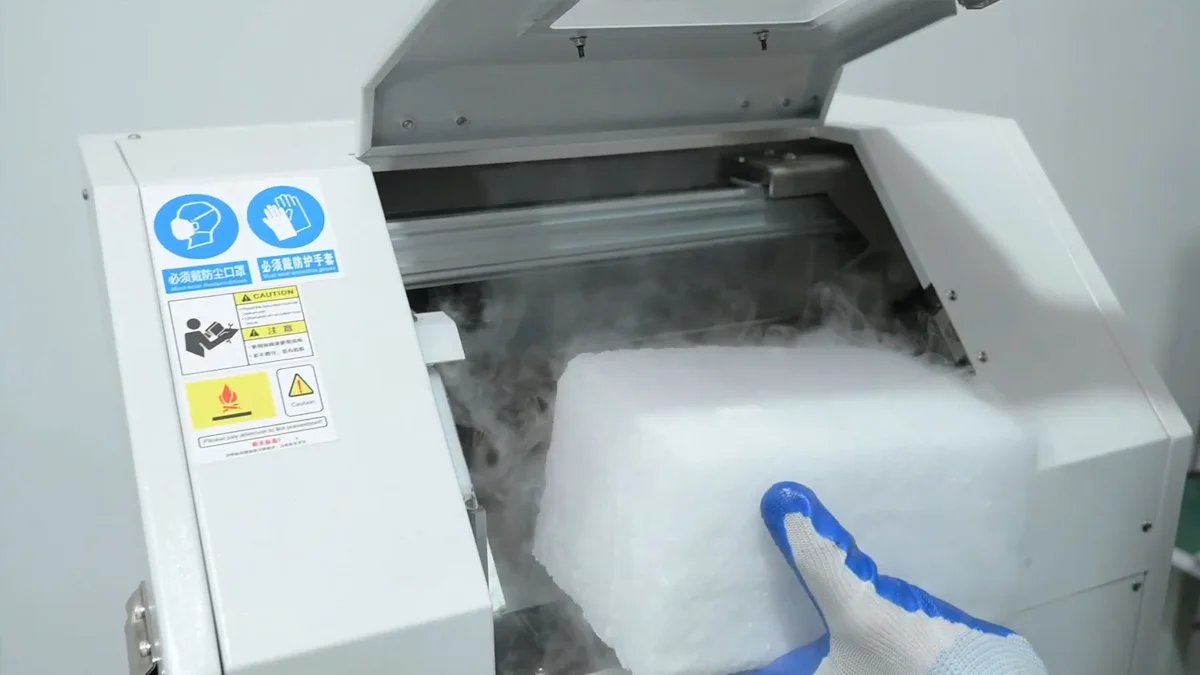
| Dry Ice Loading | Add dry ice to the hopper | 5–10 kg dry ice supply |
| Parameter Setting | Set pressure and dry ice output | Cleaning force matched to the workpiece |
| Dry Ice Blasting | Direct the cleaning gun at the residue | Flux, resin, oil and deposits are removed |
| Surface Inspection | Check the cleaned area | Remaining contamination is treated locally |
| Process Completion | Collect removed residue | Workpiece returns to production or maintenance |
| Specification | DEZ-C1650 |
|---|---|
| Power Supply | AC220 V, 50/60 Hz |
| Rated Power | 0.25 kW |
| Hopper Capacity | 5–10 kg |
| Applicable Dry Ice Block | Approximately 140 × 125 × 250 mm, about 5 kg |
| Dry Ice Output | 0.1–0.6 kg/min, adjustable |
| Air Flow Requirement | 0.5–4.0 m³/min |
| Air Pressure | 0.1–0.8 MPa, adjustable |
| Dry Ice Feed Hose | GTL 1/2-inch low-temperature hose |
| Protection Rating | IP55 |
| Machine Dimensions | 590 × 400 × 515 mm |
| Machine Weight | Approximately 50 kg |
We have worked with


Dry ice output is adjustable from 0.1 to 0.6 kg/min. Consumption depends on the selected setting, cleaning time and contamination.
The machine requires 0.1–0.8 MPa pressure and approximately 0.5–4.0 m³/min airflow. Select the compressor according to the intended operating pressure and cleaning duration.
Check the air pressure, airflow, dry ice condition, feed setting, hose and nozzle. Insufficient compressor airflow can reduce cleaning performance even when the pressure gauge appears normal.
Moisture, partially sublimated dry ice or a restricted feed hose can interrupt delivery. Use fresh dry ice and inspect the hopper, hose and nozzle.
The feed rate may be higher than necessary, or the nozzle may be too far from the surface. Reduce idle spraying and use the lowest setting that achieves the required cleaning result.
Use a wider nozzle for large flat surfaces and a focused nozzle for joints, mould details, corners and local deposits. Sample testing can confirm the correct nozzle.
Dry ice lowers the surface temperature. Control workshop humidity and allow the cleaned product to return to a stable temperature before testing or packaging.
Yes. Its compact body and handheld gun are intended for cleaning moulds, fixtures and equipment at their operating location.
No cleaning liquid is applied, so a separate hot-air drying process is not required.
Store dry ice in an approved insulated and ventilated container. Do not place dry ice in a sealed container.
Yes. Dry ice changes into carbon dioxide gas during use. Provide appropriate ventilation and CO₂ monitoring for the cleaning area.
Yes. Send representative PCBs, moulds, fixtures or industrial parts with the actual contamination. DEZ can confirm the nozzle, pressure and dry ice output through sample cleaning.
Send the workpiece material, contamination, cleaning area and expected operating time. DEZ will recommend the nozzle, air supply and dry ice settings for the DEZ-C1650.
Contact DEZ for PCBA cleaning machine, selective soldering machine, stencil cleaning machines, X-ray inspection, BGA rework, reflow ovens and SMT handling equipment.
Send your workpiece dimensions, production problem and required throughput to receive a free application review, equipment recommendation and project quotation. Free sample testing is available for qualified projects.
An equipment specialist will contact you within one hour during business hours.
Get a Free Recommendation and Request Sample Testing
Email: [email protected]
Phone: +86 138 2338 9052