We gebruiken cookies om je de beste ervaring op onze website te geven.
Spreek direct met ons apparatuur-team
Vertel ons wat je nodig hebt om te reinigen, solderen of inspecteren. We zullen geschikte apparatuur aanbevelen op basis van je PCB-grootte, proces en productiecapaciteit.
Directe fabrikantsupport
Binnen 1 werk uur
Krijg advies over apparatuurselectie, monsteronderzoek en configuratie rechtstreeks van DEZ SMT.
Je informatie wordt alleen gebruikt om op je aanvraag te reageren.
A screen-printing customer previously relied on operators to wash used printing screens by hand. The process involved direct contact with a strong-smelling cleaning agent that the customer described as corrosive to the skin.
Operators were reluctant to carry out the work, while the manual cleaning result varied from one screen to another. Ink and emulsion frequently remained on the mesh, preventing some screens from being returned directly to production.
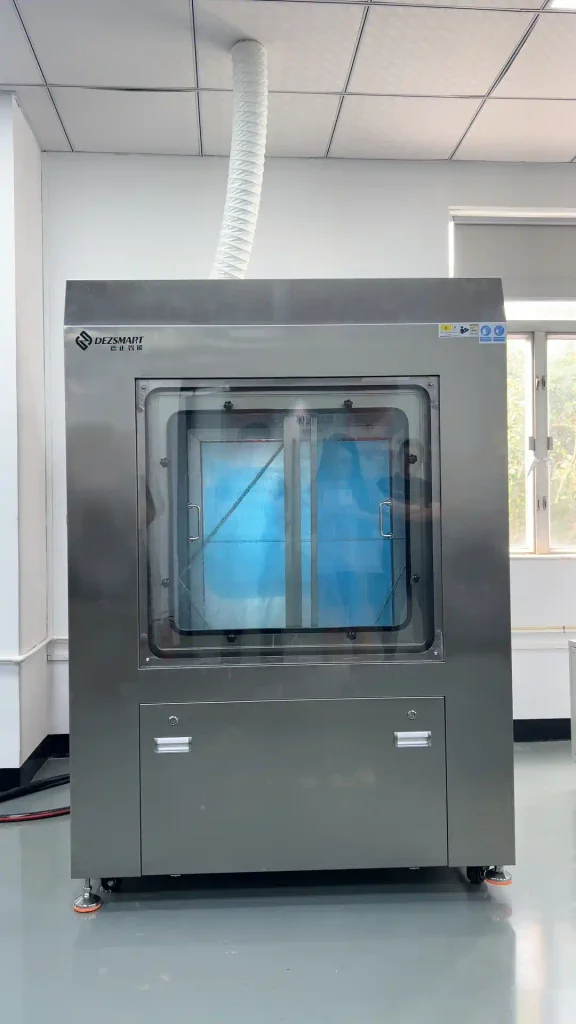
The customer installed a DEZ-C750 automatic water-based screen cleaning machine to replace manual washing. The machine automatically washes, rinses and dries the printing screens inside an enclosed chamber.
According to the customer, the cleaning result improved by approximately 90%, dependence on manual scrubbing was removed, the previous pungent chemical odour was no longer noticeable during normal operation, and the overall workshop environment improved significantly.
Project Overview
Project Item
Details
Toepassing
Silk-screen frame cleaning and reclamation
Previous method
Manual chemical washing and scrubbing
Main contamination
Printing ink and blue emulsion coating
Equipment selected
DEZ-C750 Automatic Water-Based Stencil and Screen Cleaning Machine
Required result
Remove ink and emulsion so the mesh can be inspected and reused
Reported improvement
Approximately 90% improvement in cleaning effectiveness
Additional benefit
Reduced manual chemical handling and workshop odour
Manual Washing Created Cleaning and Workplace Problems
The previous process required operators to apply cleaning liquid and scrub the mesh manually. The cleaner produced a strong, unpleasant smell and was described by the customer as corrosive to the hands.
Because the work involved repeated chemical contact and unpleasant odour, operators did not want to perform the cleaning regularly. Manual pressure, cleaning time and chemical dosage also changed between operators.
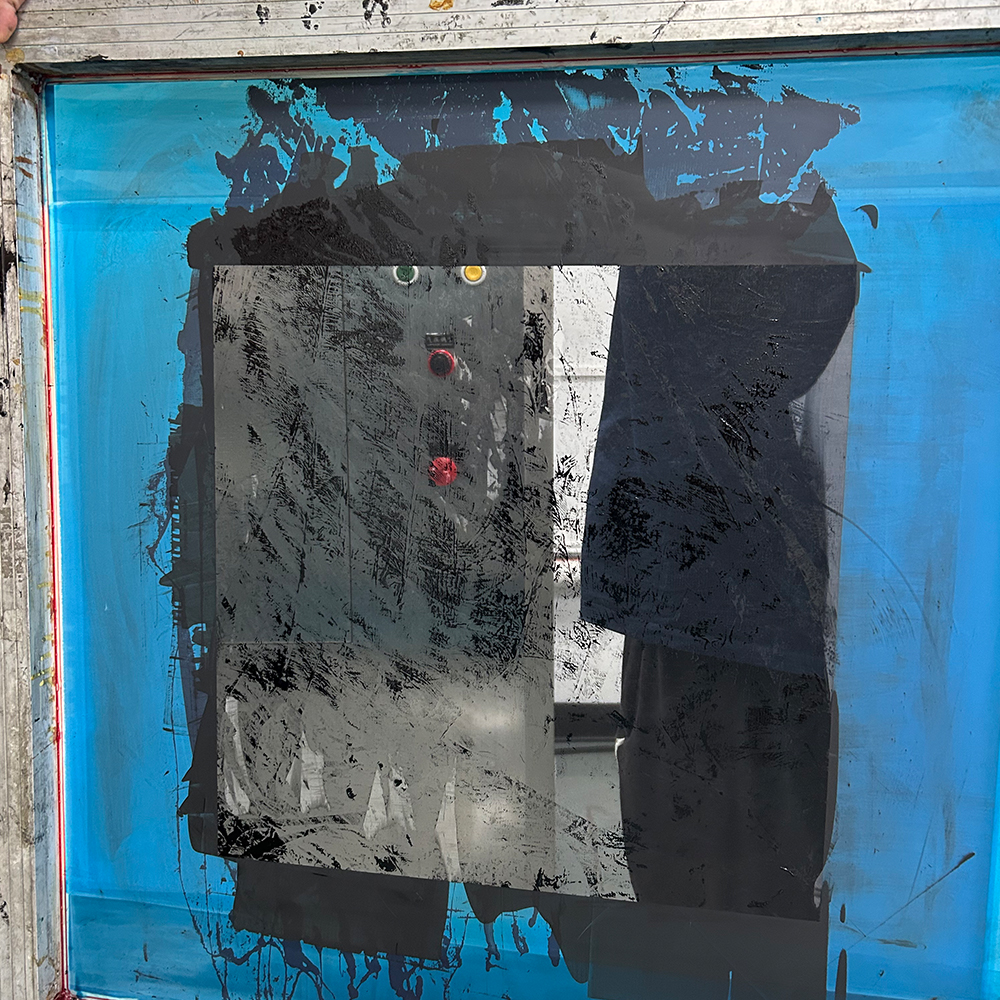
Heavy black printing residue remained on the blue emulsion-coated screens. Some areas could be removed, while other areas required repeated washing. This made it difficult to determine when a screen was sufficiently clean for reuse.
The Customer Needed Complete Screen Reclamation
This project was not limited to wiping ink from the surface. The customer needed to strip the blue emulsion layer and remove the remaining printing residue from the mesh.
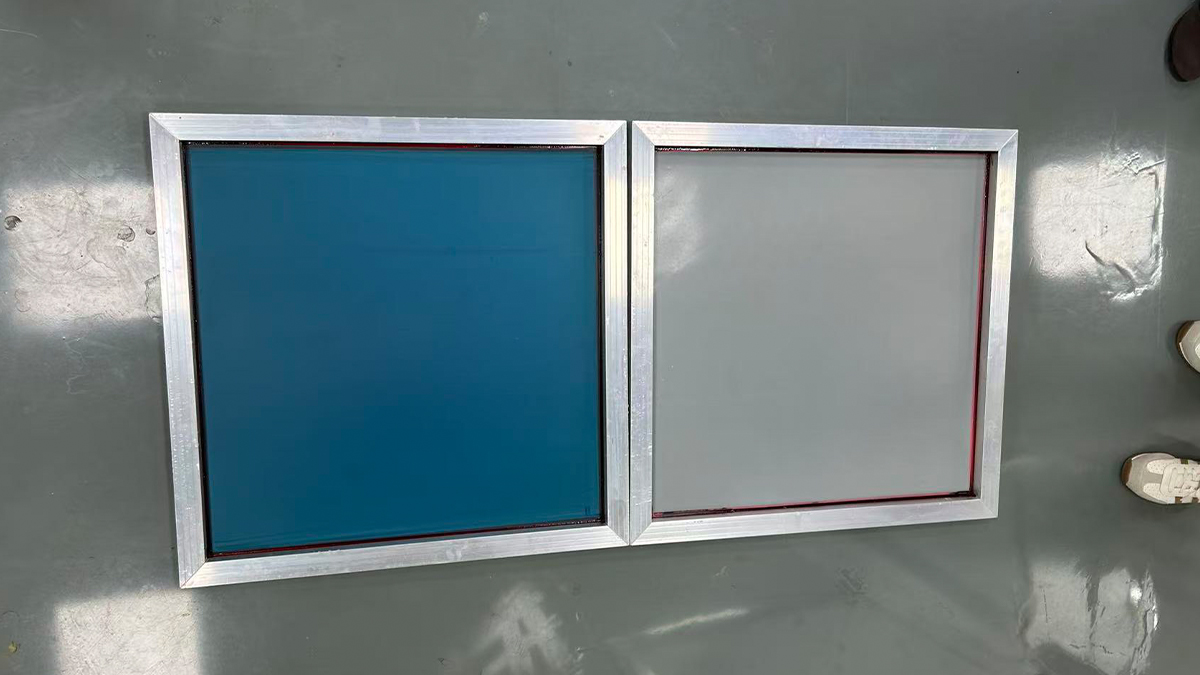
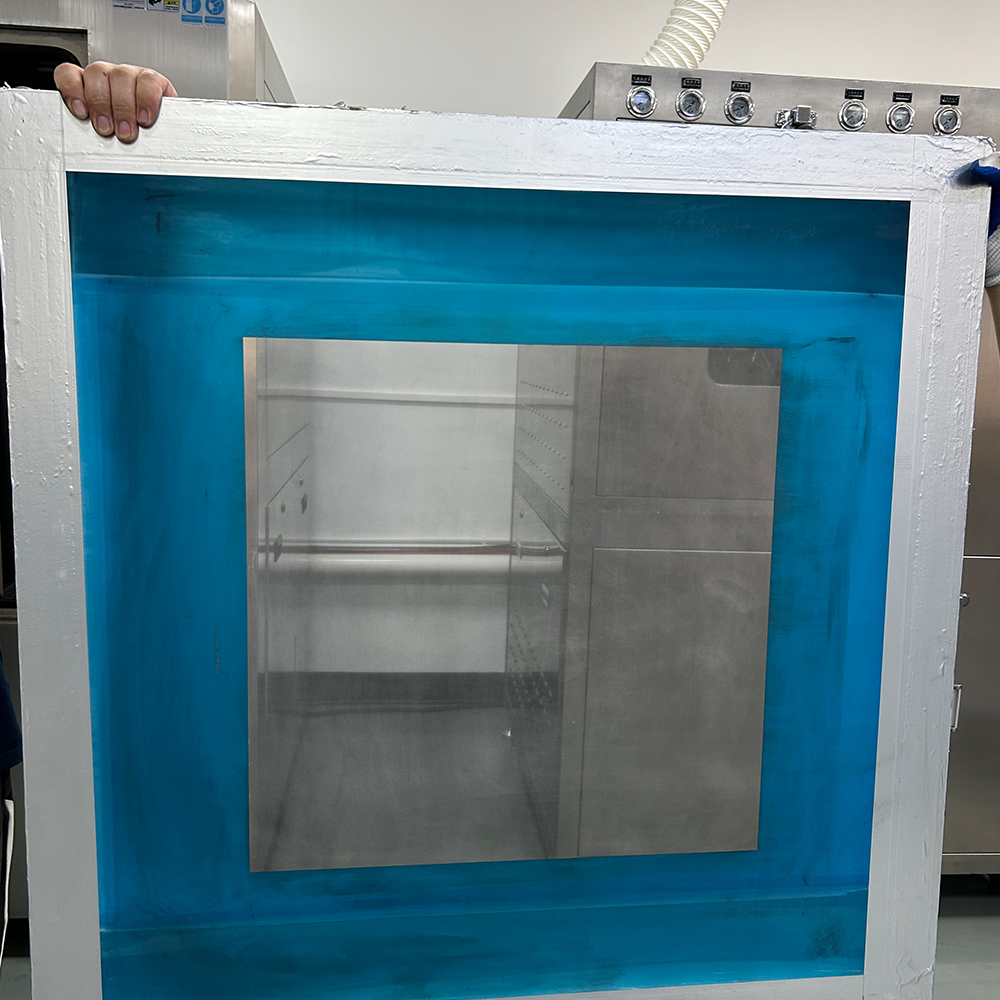
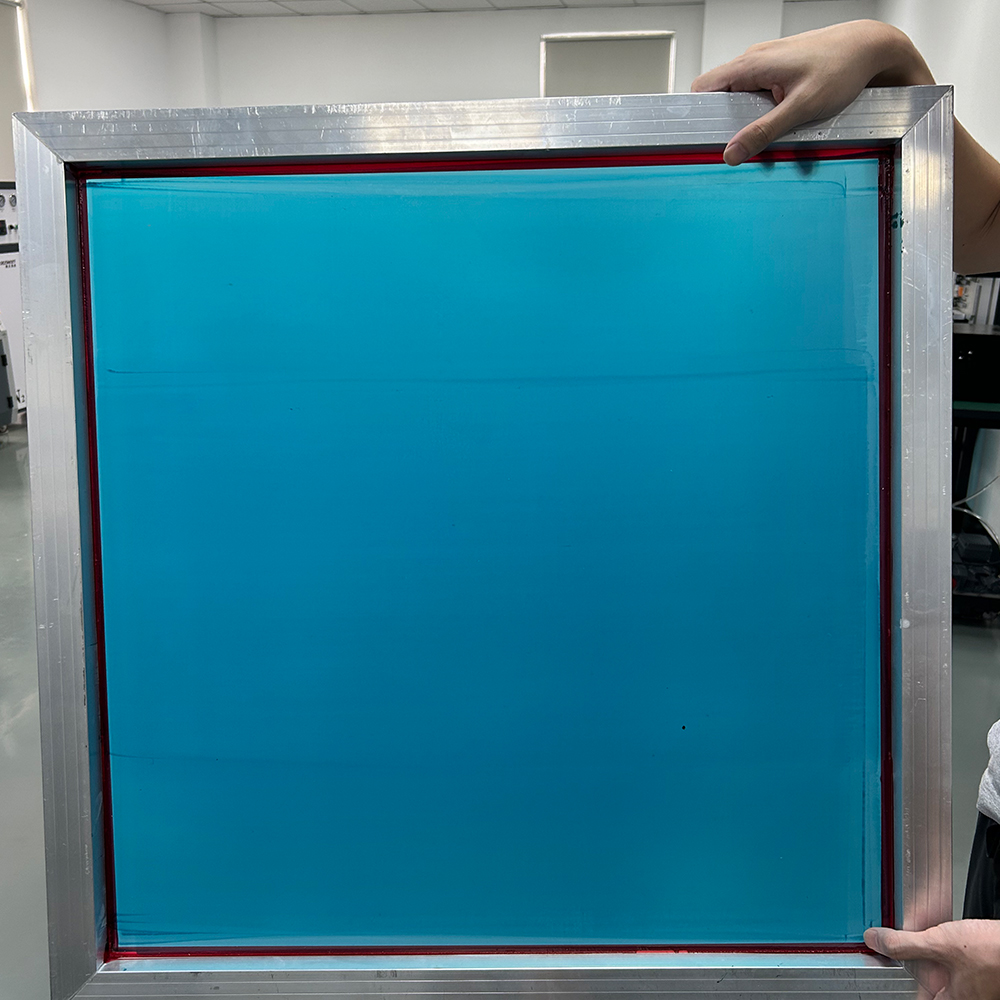
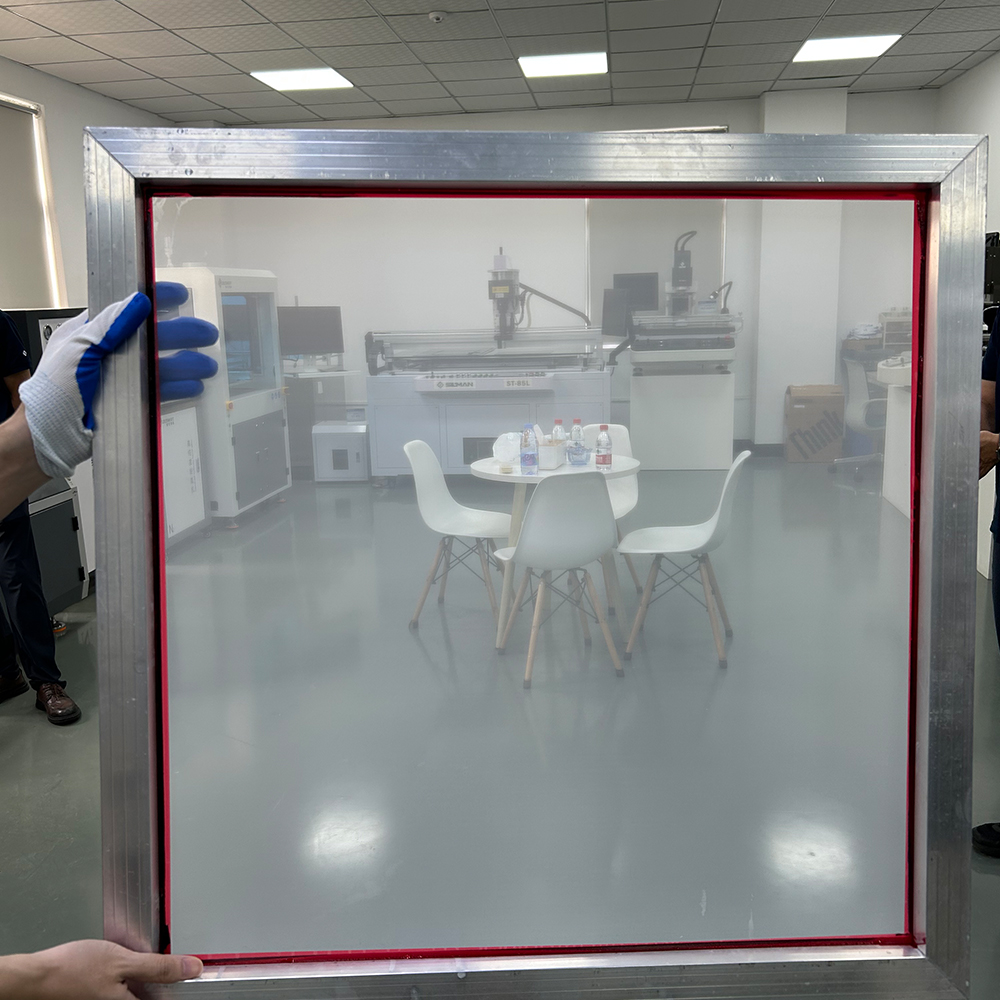
Before cleaning, the mesh appeared blue and contained visible black contamination. After the automatic cleaning process, the blue coating was removed and the mesh returned to a white or transparent appearance.
The cleaned screen could then be inspected and returned to production instead of being discarded because of incomplete manual cleaning.
Why the Customer Selected the DEZ-C750
The DEZ-C750 combines automatic water-based spray washing, rinsing and heated air drying inside one enclosed chamber.
After the operator loads the screen and selects the programme, the machine completes the cleaning cycle without continuous hand scrubbing. This reduces direct operator handling of the cleaning chemistry and makes the main process settings less dependent on individual working habits.
The enclosed process also limits the spread of cleaning liquid and odour compared with open manual washing. The cleaning chemistry, temperature and cycle time are selected according to the ink, emulsion, mesh material and required reclamation result.
Load Screen → Water-Based Spray Cleaning → Clean-Water Rinse → Heated Air Drying → Inspect and Reuse
During the washing stage, cleaning liquid is sprayed across both sides of the screen to loosen the printing residue and blue emulsion coating.
The separate rinsing stage removes released contamination and remaining cleaning agent. Heated airflow then removes retained water from the frame and mesh before unloading.
This complete wash, rinse and dry process allowed the customer to replace several manual operations with one controlled cleaning cycle.
Visible Before-and-After Result
Before Cleaning
The original screen contained a blue emulsion coating with heavy black printing residue across the mesh. Manual washing had left uneven deposits and visible contamination.
After Cleaning
After processing in the DEZ-C750, the blue coating and black residue were removed from the cleaned area. The mesh returned to a white or transparent appearance and could be checked before reuse.
The before-and-after photographs show the change directly. The result was not based only on a cleaner frame surface; the printing area itself was reclaimed.
Manual Washing Compared with the DEZ-C750
Previous Manual Process
DEZ-C750 Automatic Process
Operators applied and scrubbed cleaning liquid by hand
Washing, rinsing and drying run automatically inside the chamber
Cleaning depended on operator pressure and working time
Main cycle settings follow a repeatable programme
Strong chemical odour remained around the work area
The customer reported that the previous pungent odour was no longer noticeable
Direct handling created skin-contact concerns
Operator contact with the cleaning liquid was substantially reduced
Ink and emulsion could remain on the mesh
The blue coating and visible residue were removed during the reclamation test
Some screens were difficult to return to production
Cleaned screens could be inspected and prepared for reuse
Customer-Reported Results
The customer estimated that cleaning effectiveness improved by approximately 90% compared with the previous manual method.
The factory no longer depended on operators to scrub each screen by hand. This addressed the problem of workers avoiding the task because of the strong smell and concerns about direct chemical contact.
The customer also reported a substantial improvement in the workshop environment. With the cleaning process contained inside the machine, the previous pungent smell was no longer noticeable during normal operation.
Most importantly, the blue emulsion could be removed from the used mesh, allowing the reclaimed screens to be inspected and reused.
“After installing the DEZ-C750, we no longer depend on manual screen washing. The cleaning result improved by about 90%, the previous pungent smell is gone, and the workshop environment is much better.”
Customer feedback translated from the original comments. The reported 90% improvement is based on the customer’s production assessment rather than an independent laboratory measurement.
What This Project Demonstrates
The project shows that the DEZ-C750 can be applied beyond conventional SMT metal stencils when the screen dimensions, mesh material, ink, emulsion and water-based cleaning chemistry are compatible.
For factories reclaiming silk-screen printing frames, an automatic washing, rinsing and drying process can reduce repeated manual scrubbing and provide a more consistent route for returning suitable screens to production.
Because ink and emulsion formulations differ, DEZ recommends testing actual contaminated screens before the final cleaning chemistry and programme are confirmed.